Celebrating our Pilots on World Pilot Day
April 23, 2026
The journey of a shop donation
May 29, 2026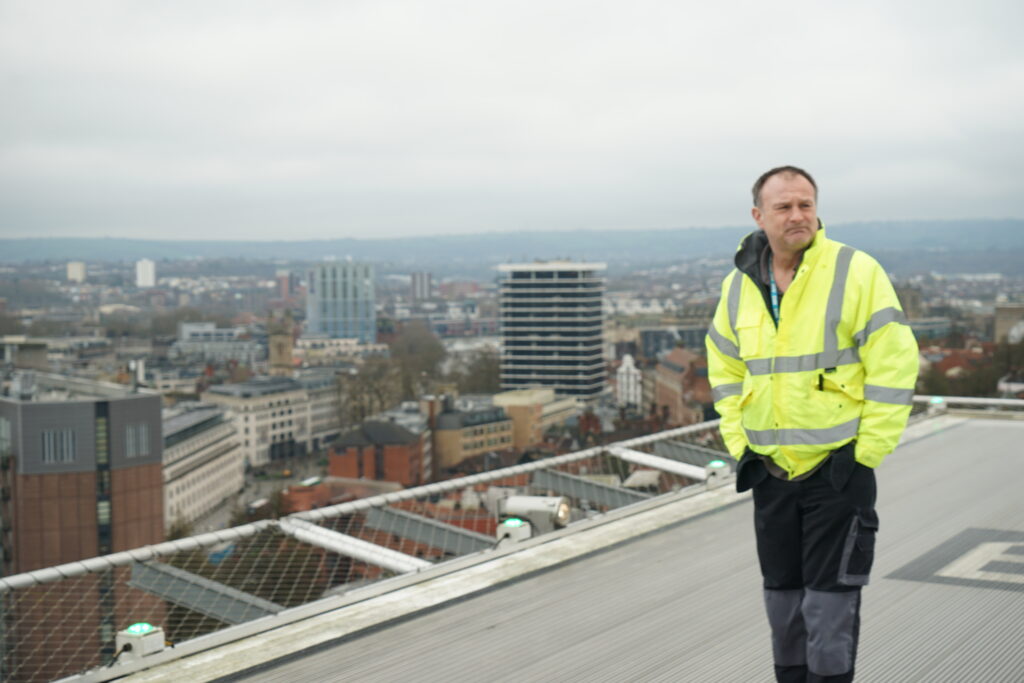
Welcome to part four of our four-series following the patient’s critical care journey from the scene of an incident to Emergency Department by air. So far, you’ve learned how Great Western Air Ambulance Charity’s (GWAAC) crew:
- Make decisions at the scene of an incident on whether to fly or drive a patient to hospital
- Look after the patient in the air and communicate with the receiving hospital
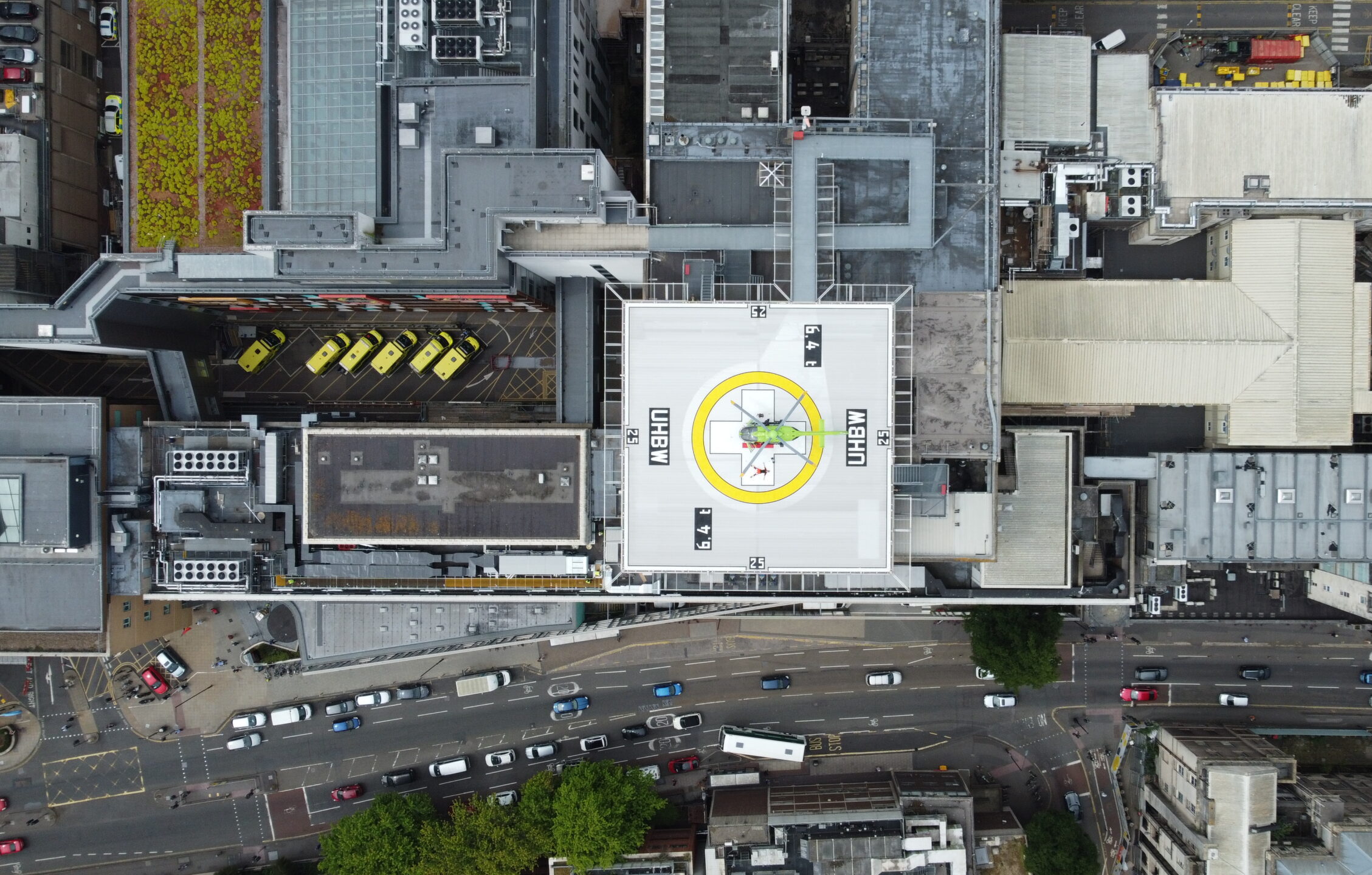
- Work with the hospital teams to land safely and move the patient to the Emergency Department at the Bristol Royal Infirmary (BRI)
In Part Two we introduced the Helideck Supervisor at the BRI, the person who makes sure every landing goes smoothly before the air ambulance even touches down at hospital. Now we're going behind the scenes with Andrew Williams, to see what that role looks like, hour by hour.
We sat down with Andrew in the helideck office to walk through his day.
Do you work on your own at the BRI helideck, or as part of a team?
We are a team of four; made up of three full-time staff and one part-time volunteer. There are usually two of us working at the same time to look after the day to day running of the helideck. We’re single-crewed on weekends.
What does a typical day look like for you?
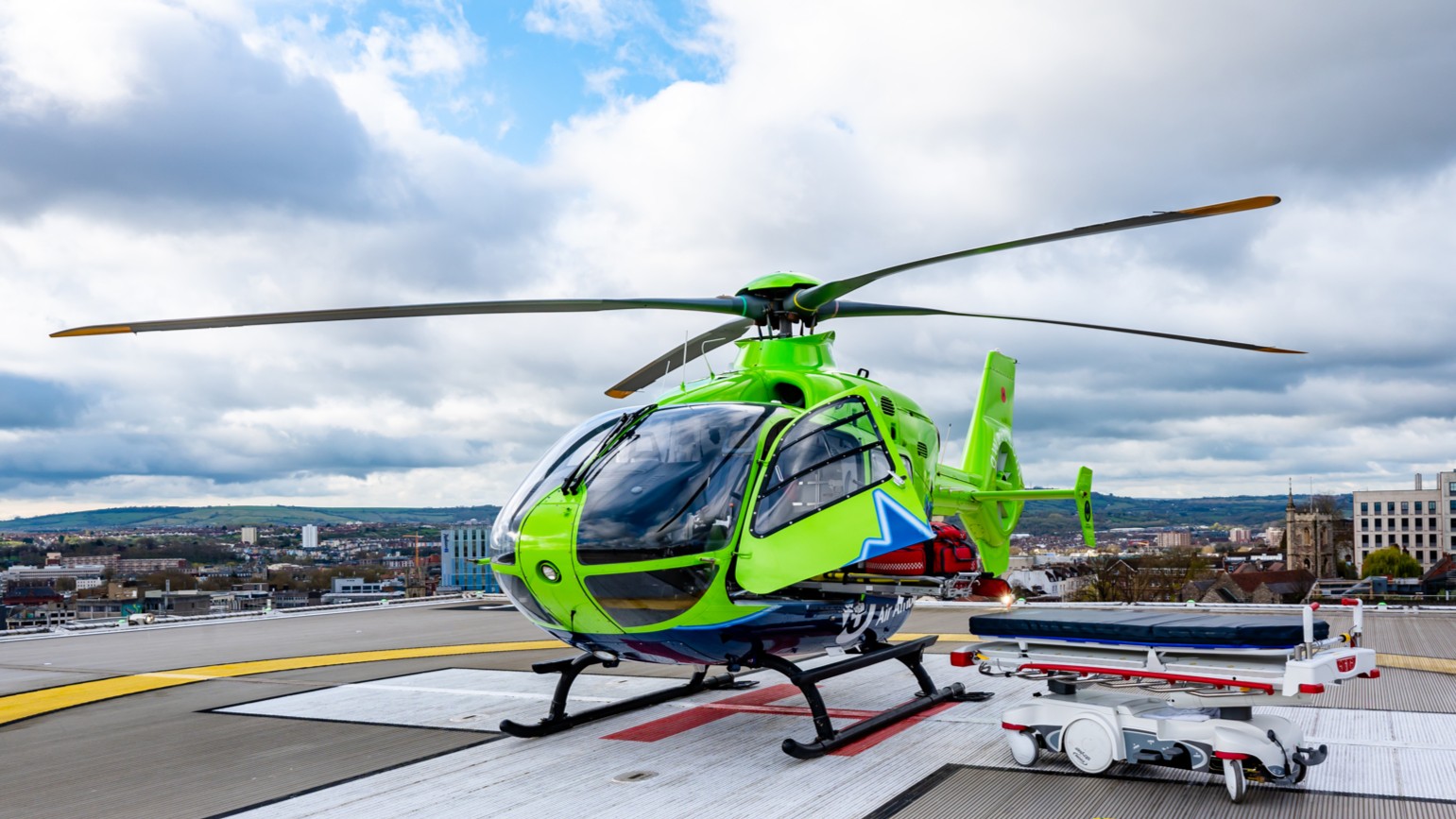
The helideck is open from 09:00 to 19:00. The first person in will open the office and then go through a series of checks to make sure it is safe for aircraft to land.
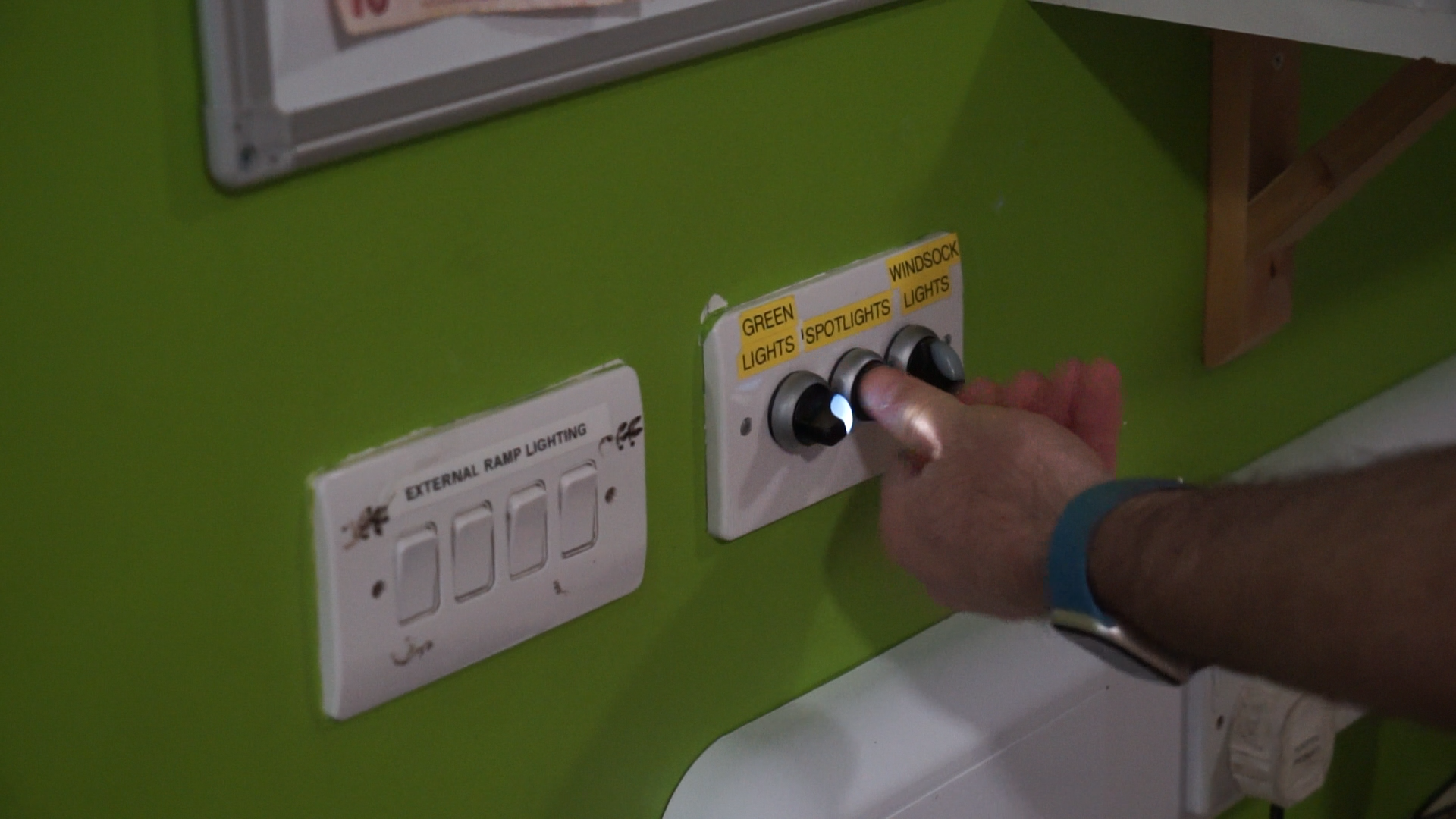
We’ll check the pumps on the deck-integrated firefighting system (DIFF) and the landing lights, and we’ll have a look around the deck and walk round the roof looking for any foreign object debris that could fly up in the downwash of a helicopter and cause an accident. We’ll call down to the hospital’s main switchboard to let them know we’re open, and we’ll turn our light system on to green. It will show green downstairs so the switchboard can see we’re open and we’ll confirm that over the radio too. The switchboard need to know we’re open because they receive calls from air ambulance crews requesting to land.
And then we’ll have a look to see what general hospital tasks have been given to us. So, we’ll be out and about, not always sat in the helideck office. We do things like flush taps to prevent legionella and help in the decontamination department.
We always carry our pagers; if we get a bleep, we’ve got 10 minutes to get back and get the helideck set up for the arrival of an air ambulance.
How are you alerted when an air ambulance crew wants to land?
When an air ambulance crew wants to bring a patient in, they will call the hospital’s main switchboard—there is a dedicated number for Helicopter Emergency Medical Services. The switchboard will advise the crew if the helideck is green, amber, or red—red if an air ambulance is already on it, amber if an air ambulance is en route, and green if it’s available for them to land.
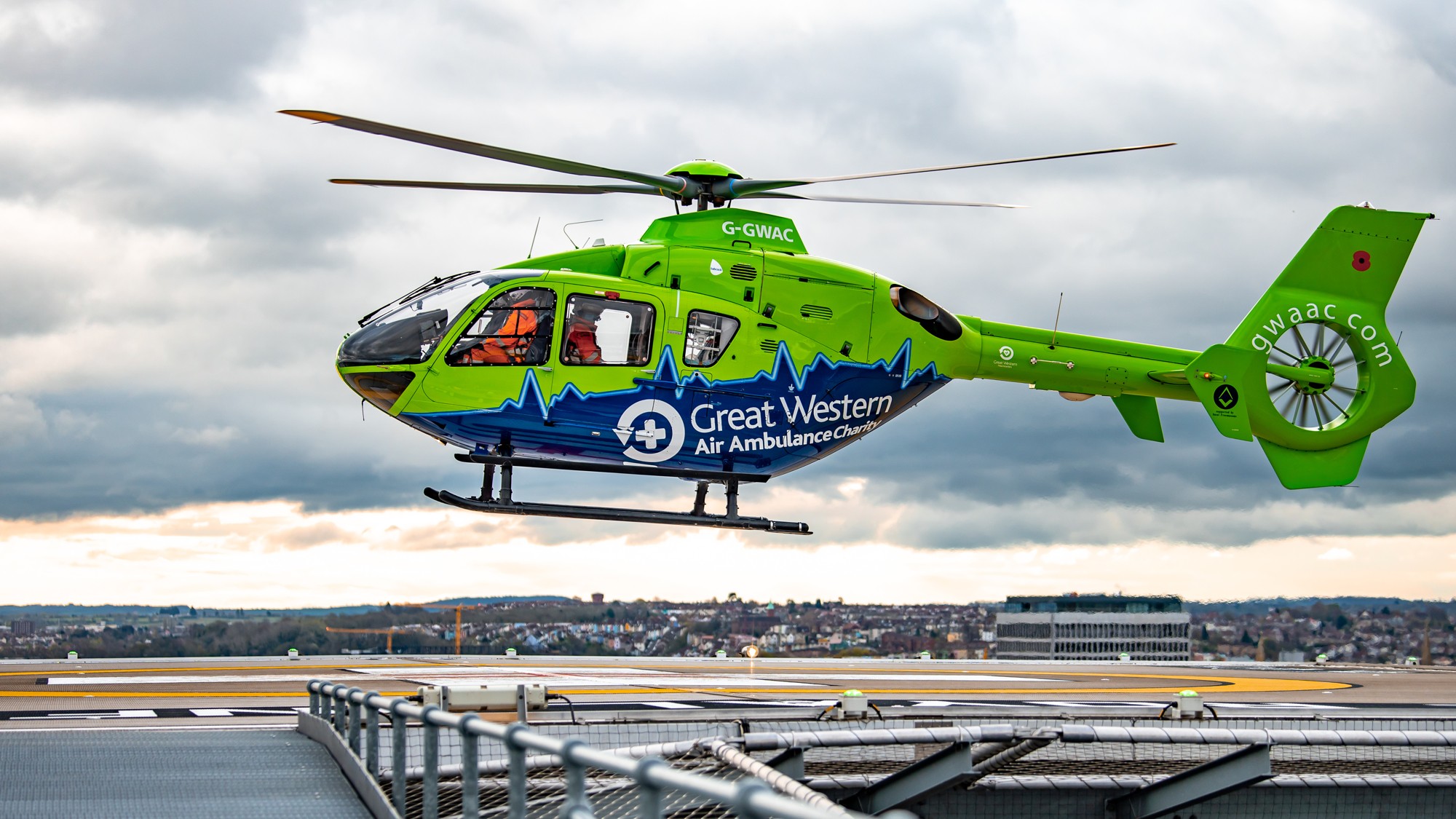
The switchboard will take all the details and they’ll transfer the call to the hospital clinical team in the Emergency Department, confirming timings. Then they’ll give us a bleep on our pager and tell us which air ambulance is coming in, how many people are on board, the time of arrival, and where the patient is going (BRI/Children’s Hospital/Heart Institute). We will then put all the helideck lights on so that when the pilot comes in, they can see that the helideck is open and operational.
What do you do next to prepare for the arrival of the air ambulance and patient?
Next, we’ll call the lift and hold it open ready for their arrival. The Emergency Department is eight floors down on level three. By calling and holding the lift we help speed up the patient’s journey to the Emergency Department.
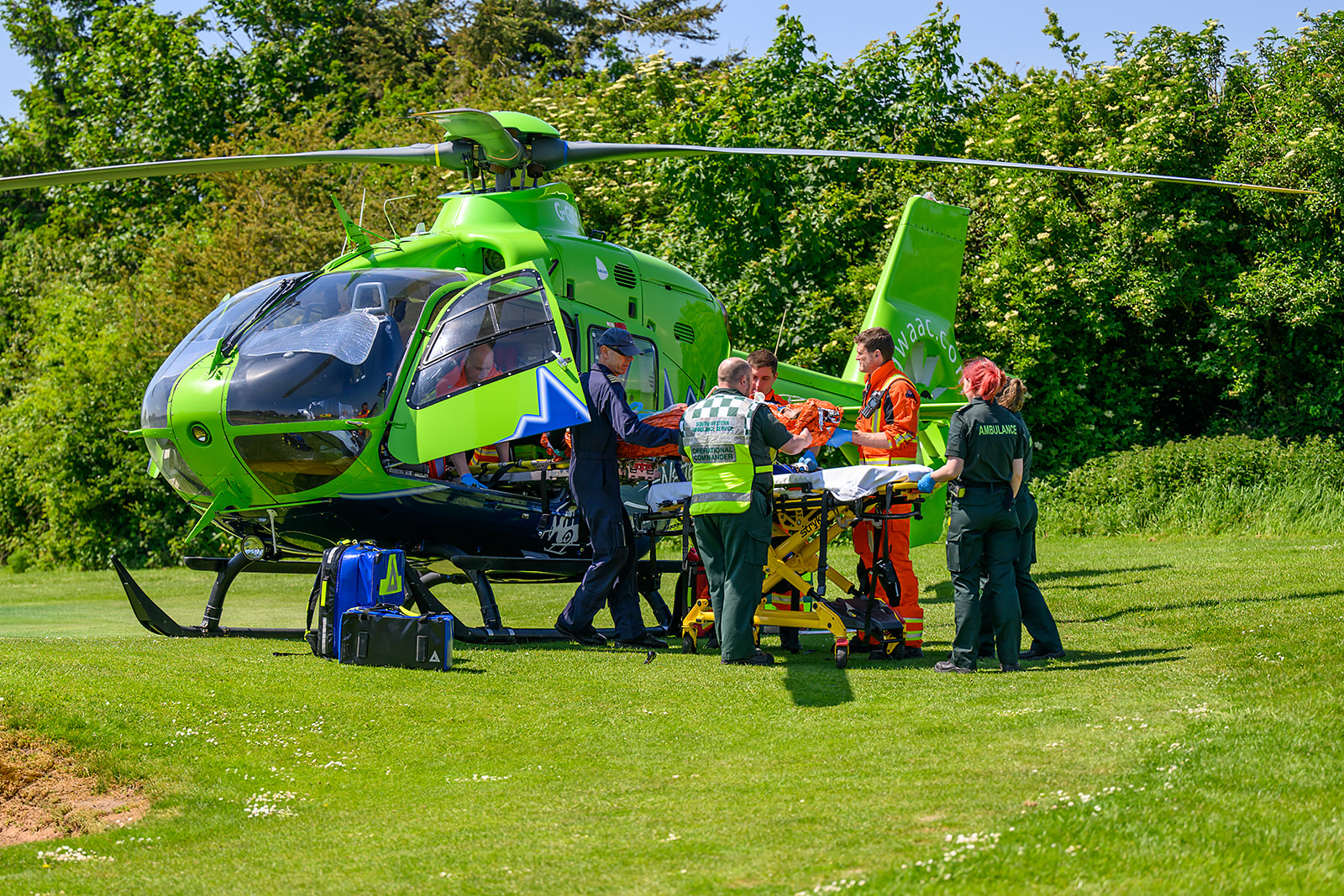
While we wait, two hospital porters arrive with a trolley bed, ready to meet the crew at the helideck entrance, and we move back to the office so we can watch the cameras. We stay in the office because if ever there was an incident on landing and we need to use the DIFF system, the button and radio are in the office. If the pilot wants to speak to us, we need to be in the office.
What do you do when it’s time for the air ambulance crew to leave?
When the crew finish, they cannot leave unless one of us is in the office, ready to press the button for the DIFF if needed.
For both arrival and departure, if there are any cranes operating in the area, we contact the supervisor of the crane and say, “Don’t lift anything” or if there was something being lifted, we’d have to ask them to lower it because of the downwash from the helicopter.
Do you need to train for your role?
When we first opened in 2014, we were classed as a Rescue Firefighting Service. We used to go to Newcastle International Airport every six months and do hot fire training for a few days. We’d do different scenarios with mock-up helicopters and training manikins. We also used to do drills on the helipad replacing burst water hoses. In 2018 that changed when we had the DIFF installed. We can now put the automatic firefighting system in motion with a press of a button.
What happens when more than one air ambulance wants to land at the BRI?
It doesn’t happen very often but when it does, we look at the estimated time of arrival and assess the clinical needs of the patient. We’ll accept one patient and the other air ambulance will circle above until the helideck is free. The pilot that landed will drop off the patient and crew and then find somewhere else to land so the other air ambulance can come in with their patient.
The first air ambulance might need to come back to collect its crew; the pilots talk to each other over radio so have a good idea of the situation and can keep each other up to date.
What do you do when the crew and patient have gone down to the Emergency Department?
When the medical crew are doing their handover downstairs, the pilots will come in with us, have a coffee, and fill in their paperwork.
What is the best thing about your role?
I love my job, but sadly it means someone is not having a very good day.
Apart from having the best view in Bristol, it’s nice to see a patient come in and then find out they’ve gone on to recover and have a good outcome, especially with a child. I’ll often pop down to the Children’s Hospital and say ‘Hello’ if I can.
And with that, the patient's journey—from scene to helideck to Emergency Department—is complete. Thanks to Andrew for giving us this inside look.
Across this series, we’ve shown just some of the people, decisions and coordination involved at every stage, much of which happens out of sight, behind the scenes of every call-out.



I love my job, but sadly it means someone is not having a very good day. Apart from having the best view in Bristol, it’s nice to see a patient come in and then find out they’ve gone on to recover and have a good outcome, especially with a child. I’ll often pop down to the Children’s Hospital and say ‘Hello’ if I can.