The 5 hospitals we take patients to most
April 14, 2026
Seven myths vs seven realities: air ambulances
April 16, 2026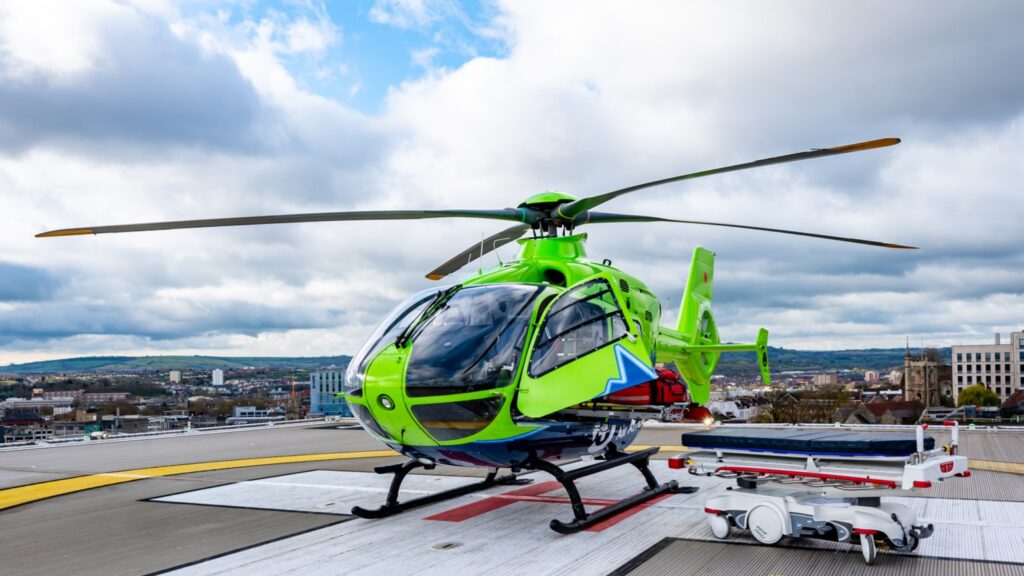
An air ambulance landing at hospital can look quite straightforward from the outside.
But that moment is the result of careful coordination, clinical decision-making and hospital systems working together in real time. Some of it is visible, but most of it isn’t.
Below are nine things you may not know about what happens when a helicopter arrives at hospital with a patient onboard.
1. Choosing which hospital to fly to is about more than distance
The nearest hospital isn’t always the right one.
Some hospitals specialise in children’s or adult trauma, others in heart care, so the crew carefully decide the best destination for each patient.
2. Whether to fly or drive is a constant consideration
Helicopters are not always the fastest option. The crew must consider distance, patient condition and hospital specialty when making decisions.
Even a few minutes can change the approach, and often a road ambulance is the better choice.
Road ambulances also provide more room for our crew to work, and can stop easily at the roadside so treatment can take place.

3. The patient isn't the only focus
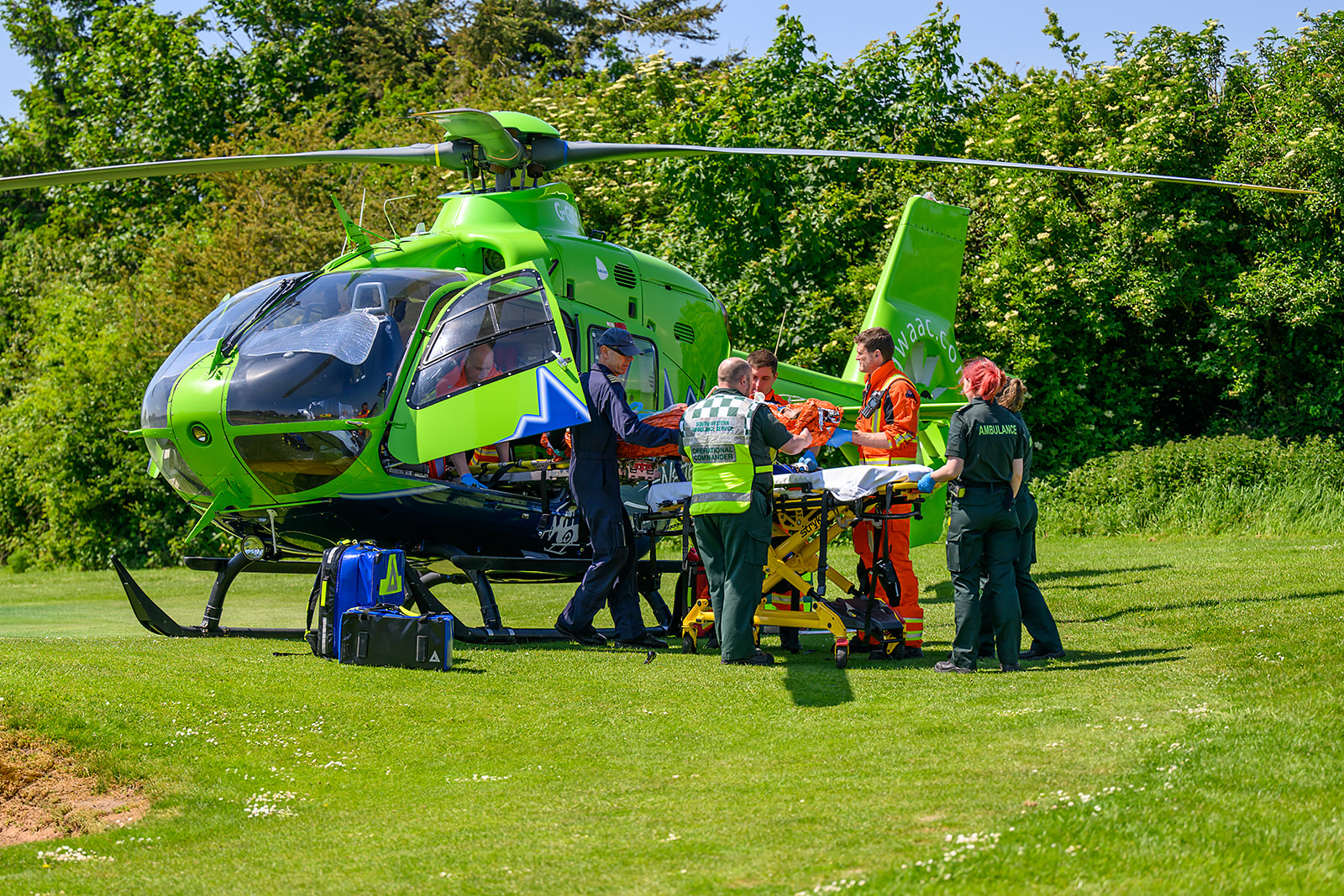
When a helicopter arrives at hospital, attention isn’t just on the patient — it’s on timing, safety and coordination across multiple teams.
The landing area has to be secured, hospital staff must be ready and clinical teams are already preparing for handover before the helicopter even lands. There’s a lot happening at the same time across multiple teams.

4. More than one helicopter with only one place to land
At busy hospital sites, helicopter arrivals have to be carefully timed and coordinated.
Sometimes more than one air ambulance needs to land around the same time, or another helicopter is already on the helideck, so timing becomes critical. The Helicopter Emergency Medical Services Desk coordinates arrivals so everyone knows when the helideck is available.

5. Not all air ambulances are carrying patients
When you see a helicopter land at a hospital, there isn't always a patient onboard.
Sometimes the helicopter is arriving to collect the clinical crew who travelled with the patient to hospital in a land ambulance.

6. Air ambulances arriving in Bristol aren't all local
Hospitals in Bristol regularly receive helicopters from across the region and beyond, as the city is home to two Major Trauma Centres.
That means the helicopter you see landing isn’t always from your local air ambulance charity, and the patient onboard may have travelled many miles.
When you see GWAAC’s bright green and blue helicopter land, it means we’re bringing a patient from our local area into specialist care by air — or that we’ve already transferred them by land ambulance and our Pilot is collecting the crew.

7. The handover starts long before the doors open
By the time the helicopter lands, hospital teams already have a clear picture of what’s coming in.
Clinical information is shared in advance so the right specialists and equipment are ready and waiting in the Emergency Department. Although the physical handover happens in minutes, the preparation begins much earlier.
8. Helicopter engines don't switch off instantly
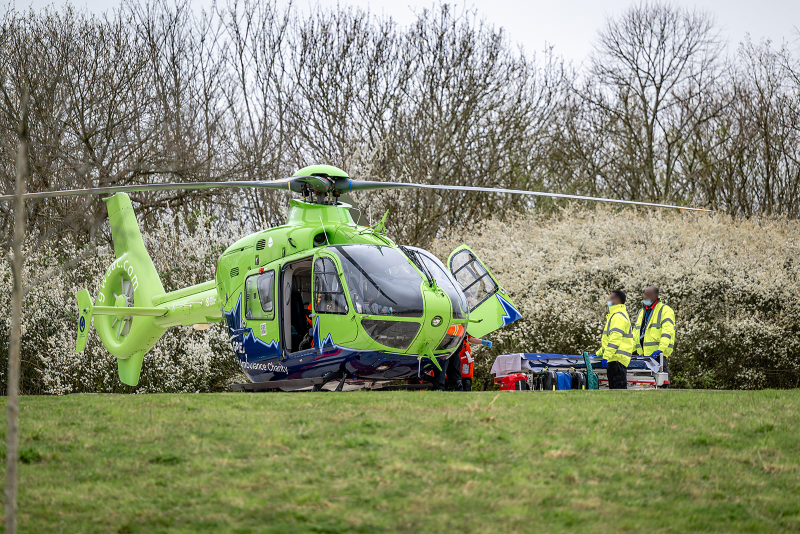
Once on the ground, the helicopter still has to be made safe before anything else can happen.
Only when engines are fully shut down can the patient transfer begin, and that process is carefully controlled every time. Shutting down the engines of Helimed 65 safely takes around 1.5 minutes — a short pause, but an important one when every second counts.

9. The helideck is part of a wider hospital system
A hospital helideck doesn’t operate in isolation. It’s part of a wider system that starts working as soon as the helicopter arrives.
By the time the helicopter lands, the Emergency Department is already preparing, with clinical teams, porters and support staff ready to receive the patient.
On the helideck, porters assist with the transfer while the helideck team manages safety systems, lighting and communications to support the landing.
At the BRI, the lift that takes the patient from the helideck to the Emergency Department is held exclusively for emergency use so it cannot be called by anyone else during arrivals.

From landing to handover, there’s far more happening behind the scenes than most people realise. And this is just a glimpse — the patient’s full journey from scene to Emergency Department is even more intricate.