2025 Year in Review – Part 1
March 31, 2026
The Patient Journey – from scene to hospital: Part 3
April 14, 2026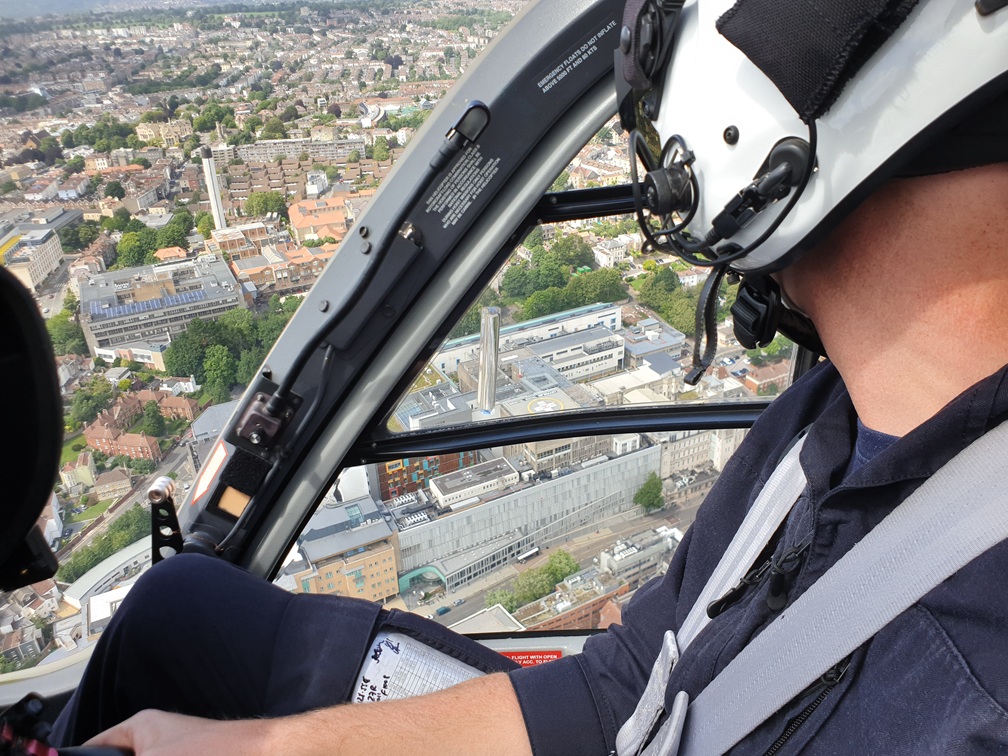
Before the helicopter lands: who’s already preparing?
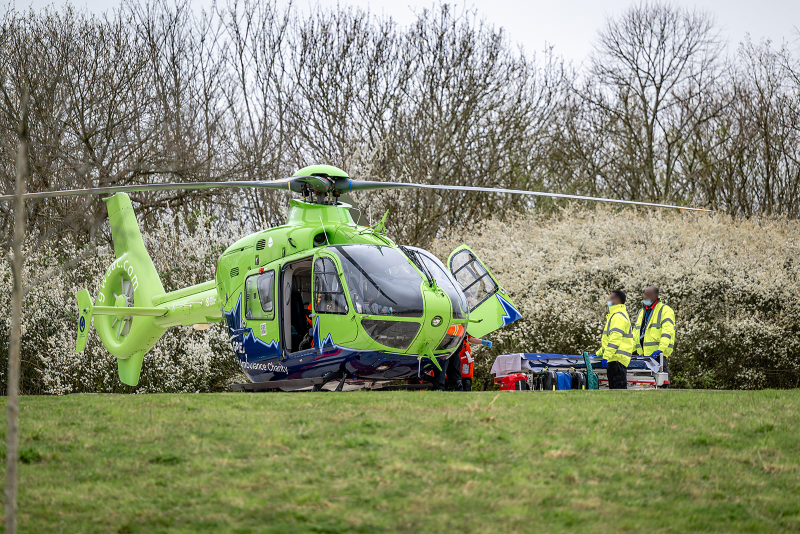
When a helicopter lands at a hospital with a patient onboard, it can feel like everything starts there and then. But a lot has already happened before the helicopter even lands.
Behind the scenes, multiple teams are already preparing — each playing a part in getting the patient safely from the helicopter into the hospital’s Emergency Department.
Here’s who’s ready before the helicopter even lands.
1. The Emergency Department team
Before the helicopter arrives, the Emergency Department already knows a patient is on the way.
Clinical teams prepare the right space, equipment and staff, based on the information shared by the air ambulance crew.
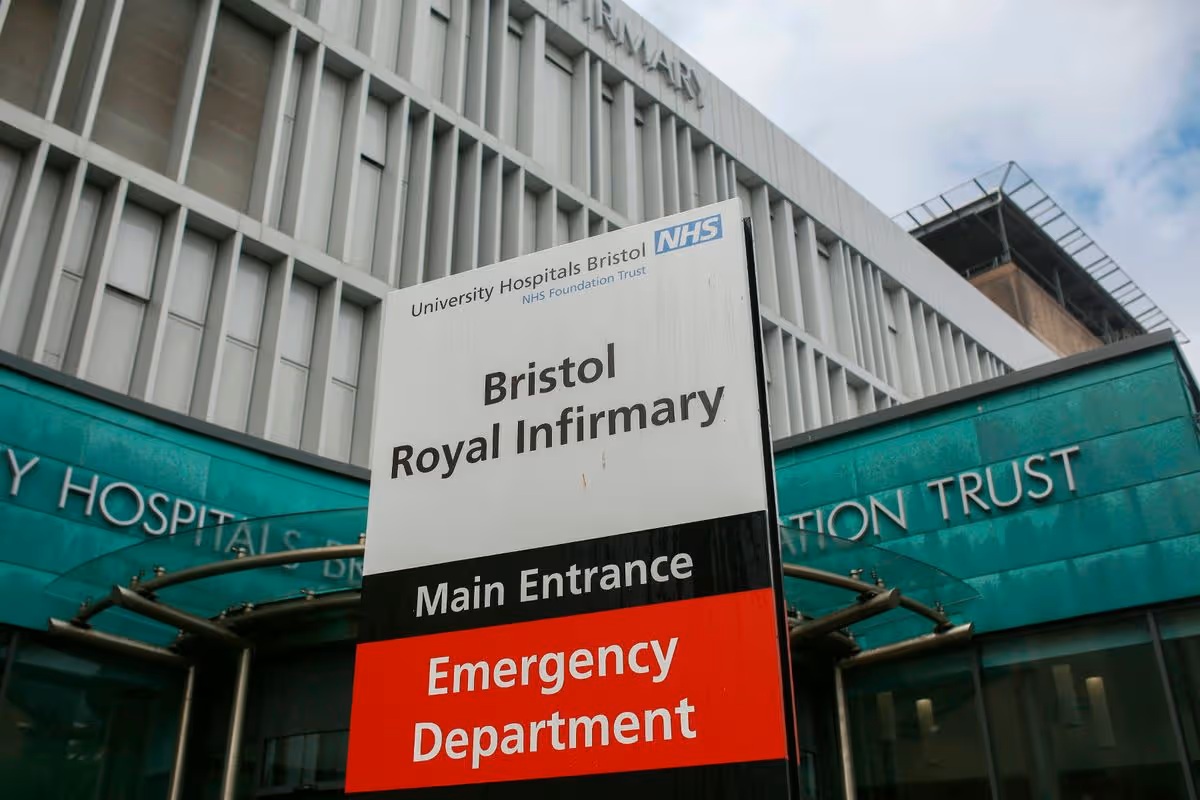
The number of staff involved depends on the patient and their condition, for example at the Bristol Royal Infirmary it can be up to ten people ready in the resuscitation area.
By the time the helicopter lands, they’re ready to receive the patient immediately.
2. The Trauma Team Leader (TTL)
Every hospital has a senior clinician leading the emergency response for that shift, known as the Trauma Team Leader.
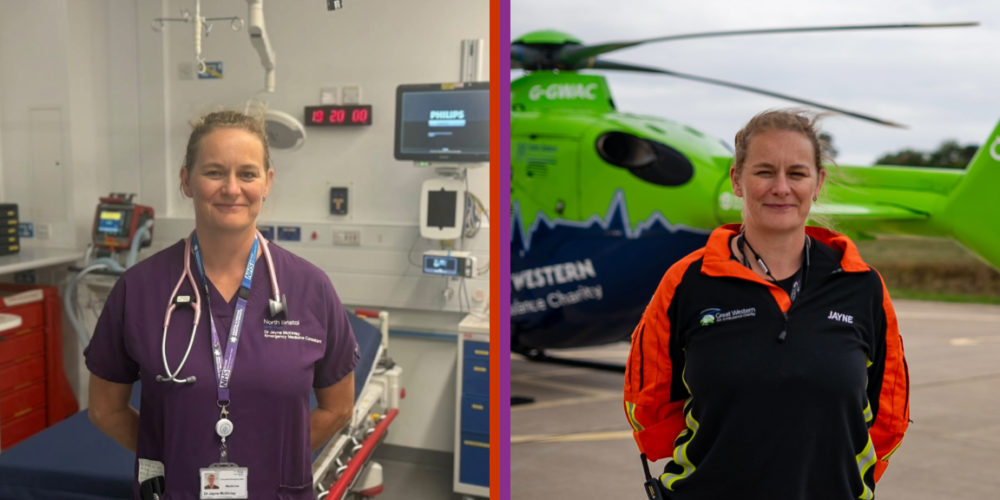
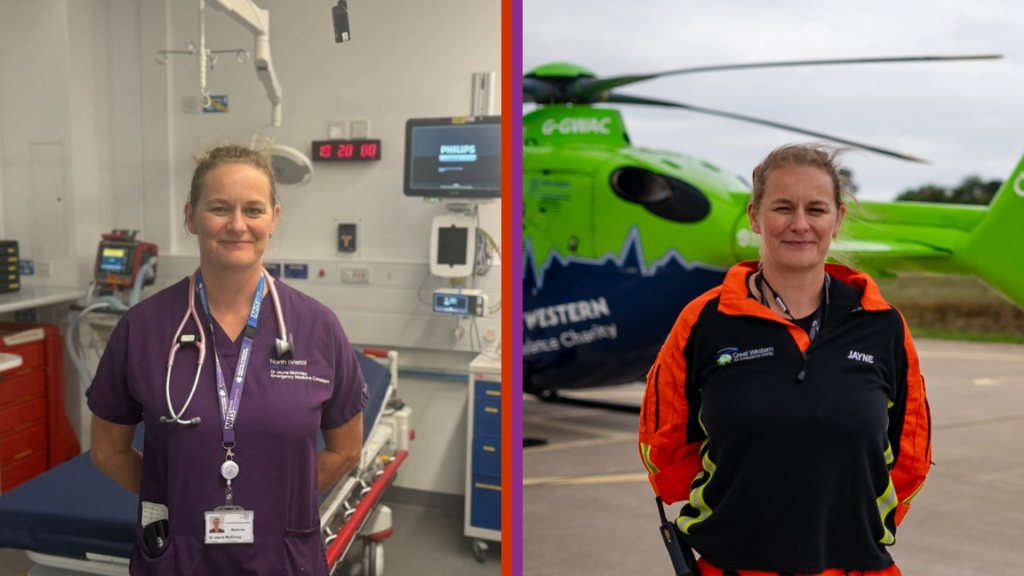
They are consultants who coordinate the team, oversee initial care decisions and prepare for the patient’s arrival.
In some cases, these are the same consultants who, on other days, work as Critical Care Doctors for our air ambulance charity, so they may already understand pre-hospital care from both sides of the handover. In many cases, they will have already spoken directly with a clinician in the air ambulance crew before arrival.
3. The hospital switchboard
When an air ambulance crew decide to bring a patient into hospital — whether to the Bristol Royal Infirmary (BRI), the Bristol Heart Institute or the Bristol Children’s Hospital — a call is made to the hospital switchboard via a dedicated Helicopter Emergency Medical Service line.
The switchboard confirms whether the helideck is available, advising if it is green (clear to land) or red (already in use).
They take key details from the crew and immediately pass the call to the hospital medical team, confirming timings and patient information.
4. The helideck team (at the BRI)
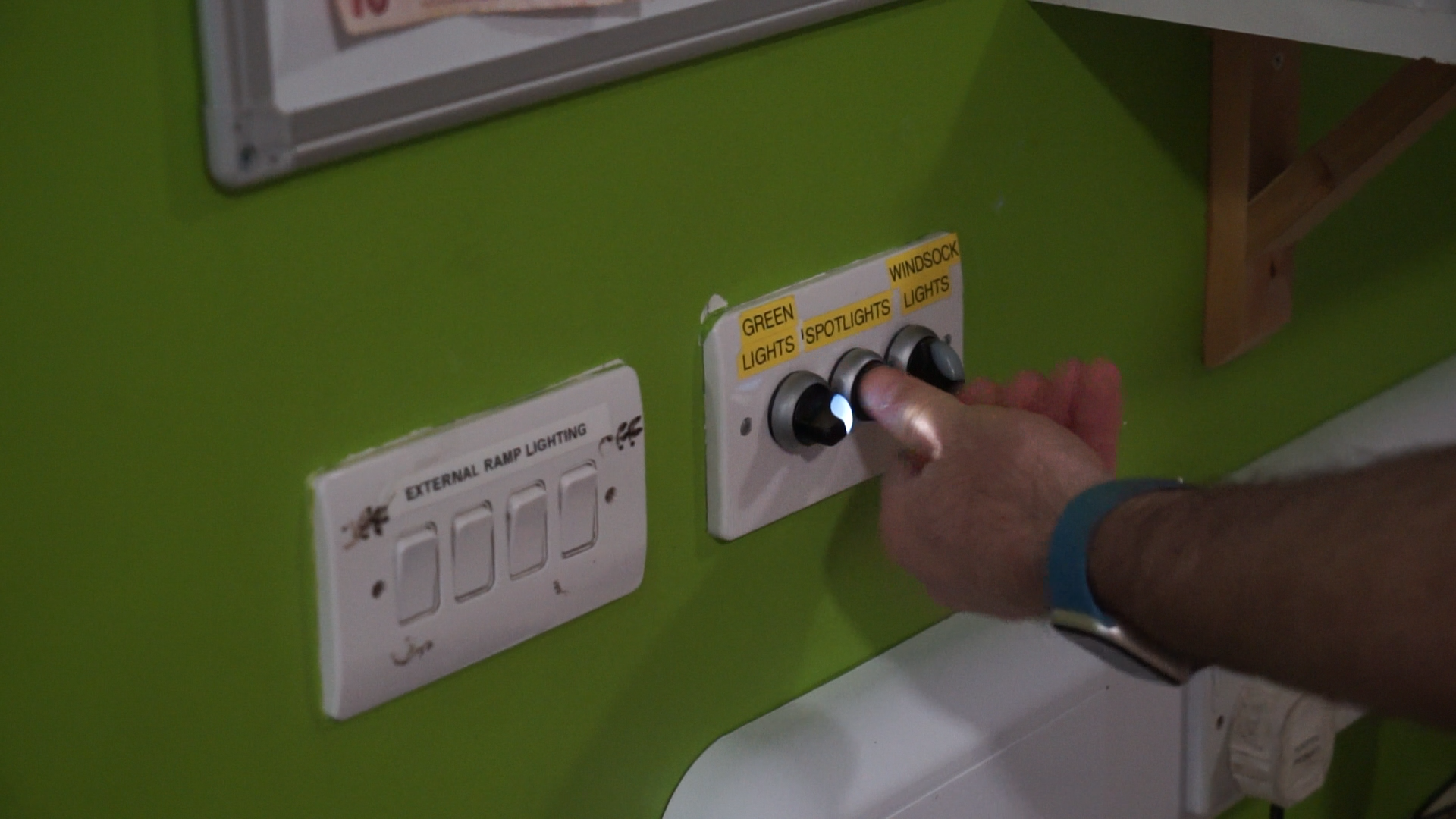
The helideck team prepares the hospital roof for arrival, monitoring conditions and activating the landing system.
They manage the lighting on the helideck, with green lights signalling when it is safe for a helicopter to land.
They remain on standby throughout, ready to respond immediately if needed.
5. The porters
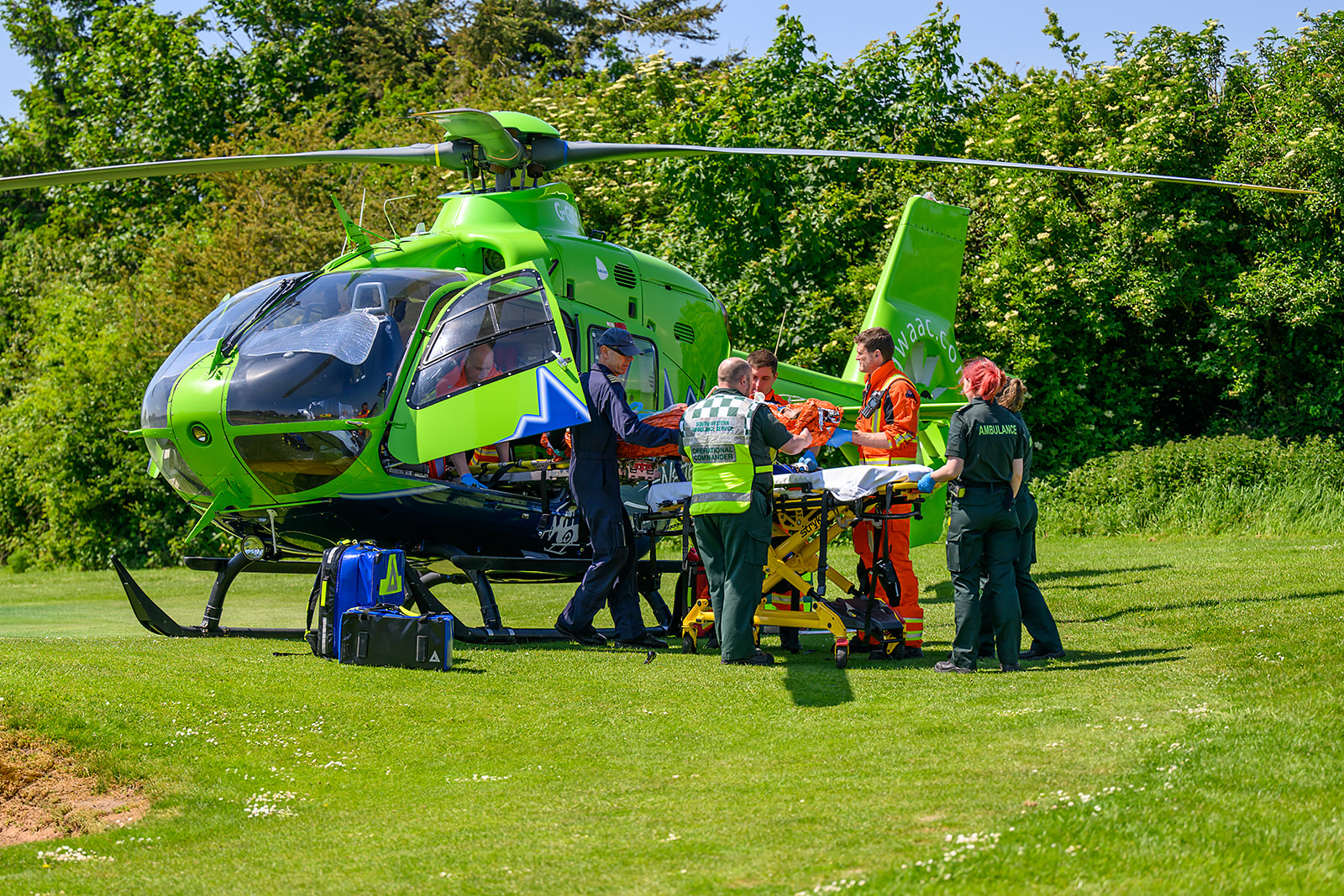
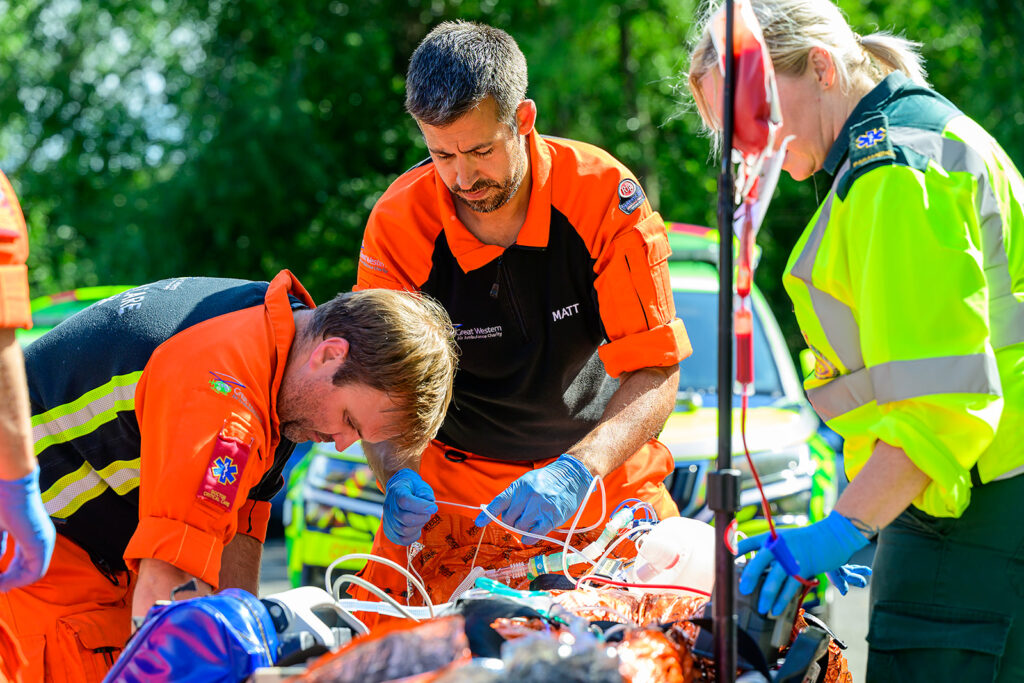
Two hospital porters are dispatched ahead of the arrival. They bring the trolley that will be used for transfer and are ready to assist in moving the patient, alongside all required equipment, into the hospital.
Together with the clinical team, they help ensure a smooth and safe transfer from helideck to Emergency Department.
It’s worth noting that hospital doctors do not usually meet the helicopter on arrival. From helideck to Emergency Department, it is the air ambulance crew and hospital porters who move the patient through the hospital.
6. The HEMS Desk
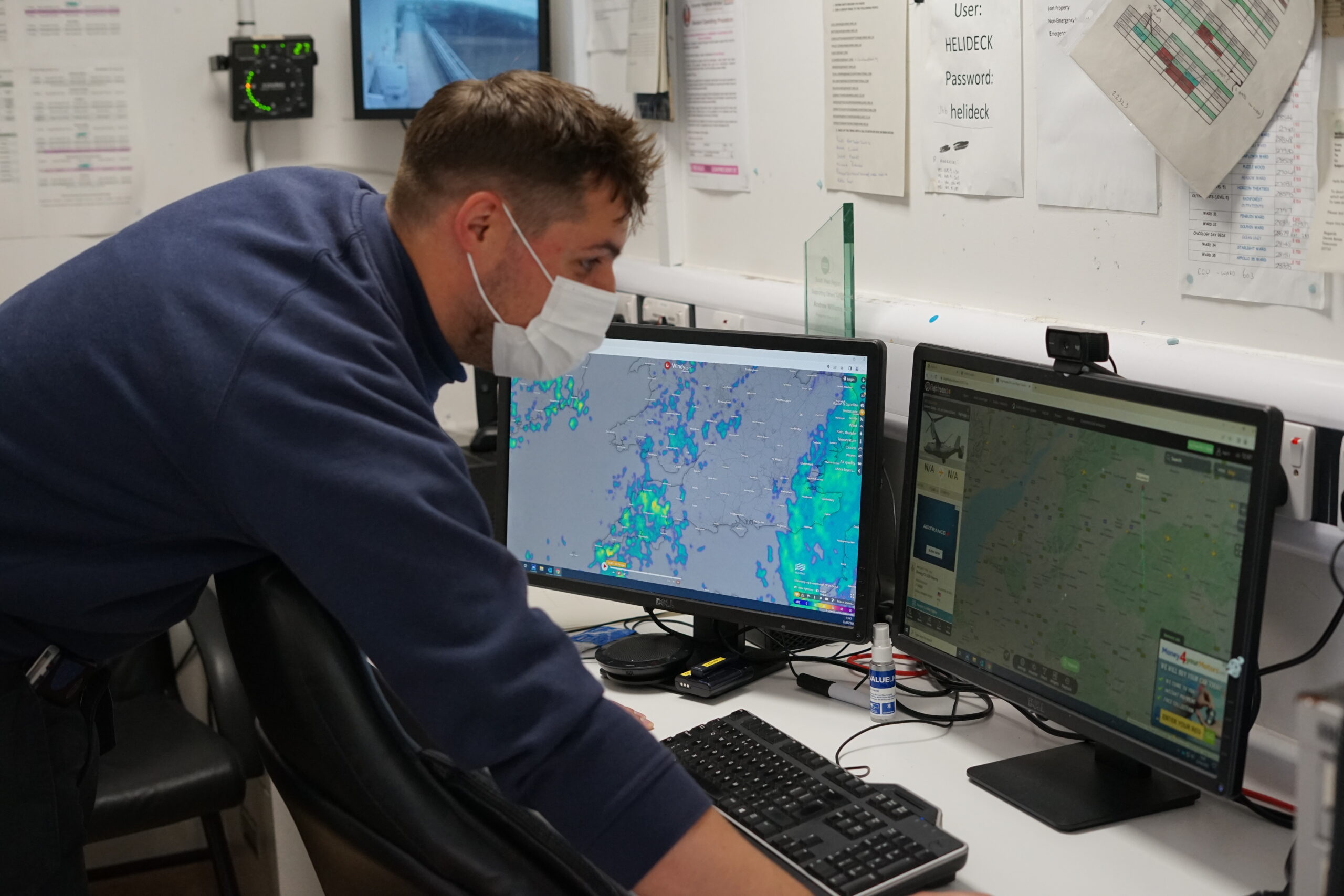
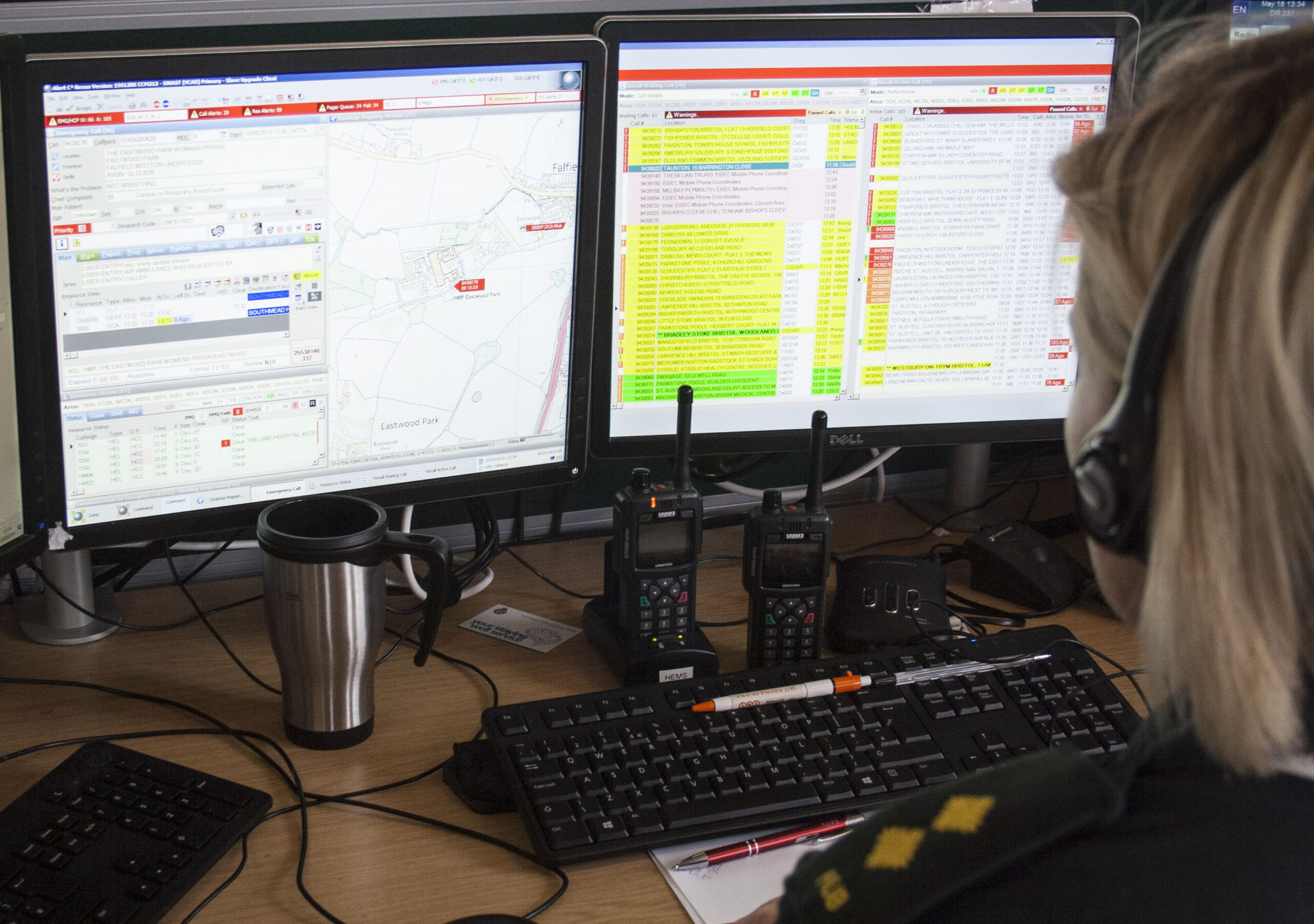
Behind the scenes, the Helicopter Emergency Medical Service Desk coordinates air ambulance activity across the region.
They manage communication between crews and hospitals, coordinate timing if multiple aircraft are inbound, and help ensure safe and efficient use of hospital helidecks and helipads.
They are also the link between different services, ensuring everyone involved has the information they need at the right time.
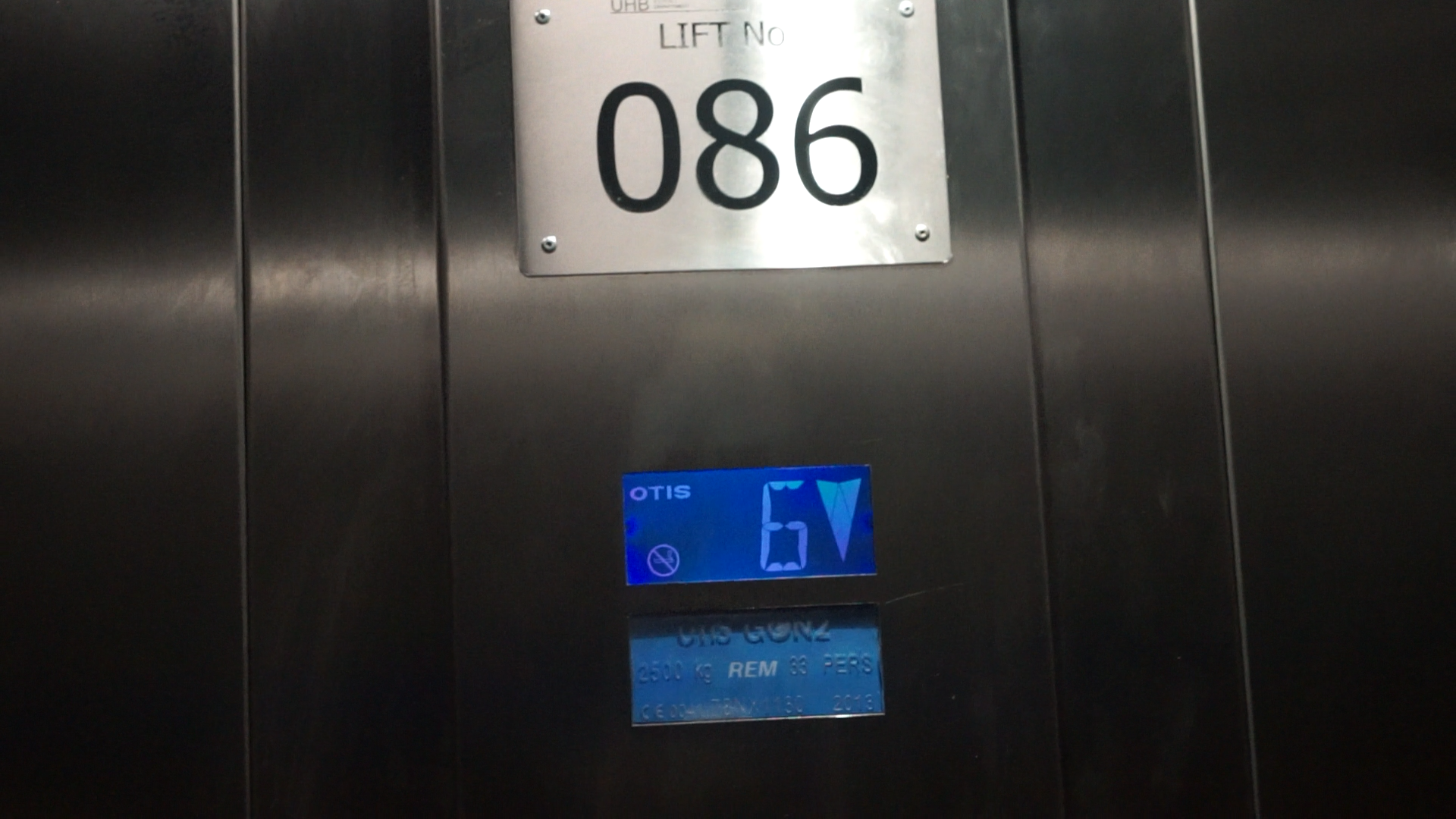
7. The lift is already waiting
Even the internal journey is prepared in advance.
In some hospitals like the BRI, the lift used to take the patient from the helideck to the Emergency Department is held using a special key that overrides calls from other floors, ensuring it cannot be accessed or delayed.
It is kept ready so the patient’s transfer can happen without interruption when every minute matters. It’s one small detail — but an important one when every minute matters.