GWAAC unveils defib at Brockworth shop alongside CPR training
March 17, 2026
Who’s ready before a helicopter even lands at the hospital?
April 13, 2026
OUR PURPOSE AND VALUES

Why do we exist?
Why are we the ones to help?
Why can we do what we do?

We are COMPASSIONATE.

We are DEDICATED to delivering the best available outcome.

We are CURIOUS about the best way of doing things.

We are COLLABORATIVE.
DELIVER CLINICAL AND OPERATIONAL EXCELLENCE
2025 WAS ANOTHER RECORD-BREAKING
YEAR FOR MISSIONS
Up from 1,743 in 2024
by helicopter
Up from 529 in 2024
by critical care car
Up from 2,272 in 2024
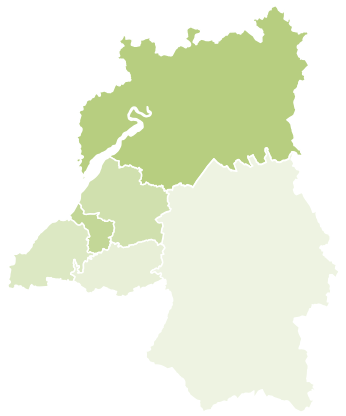
The areas we were called to
MISSION STATISTICS: LAST FIVE YEARS
We were called out 14 times on our busiest day (Wednesday 14 May)
Each mission costs £2,200 on average
Each day we were called to over six people on average
January was our busiest month with 238 call-outs
were given a pre-hospital emergency anaesthetic
were given emergency blood transfusions

Medical emergencies
(56%)
Trauma incidents
(44%)
motorcyclists
cyclists
equestrians

on e-scooters
in agriculture
341 babies, children and teenagers needed our help
Babies (<1 year)
toddlers (2-3 years)
Children (4-12 years)
Teenagers (13-19 years)
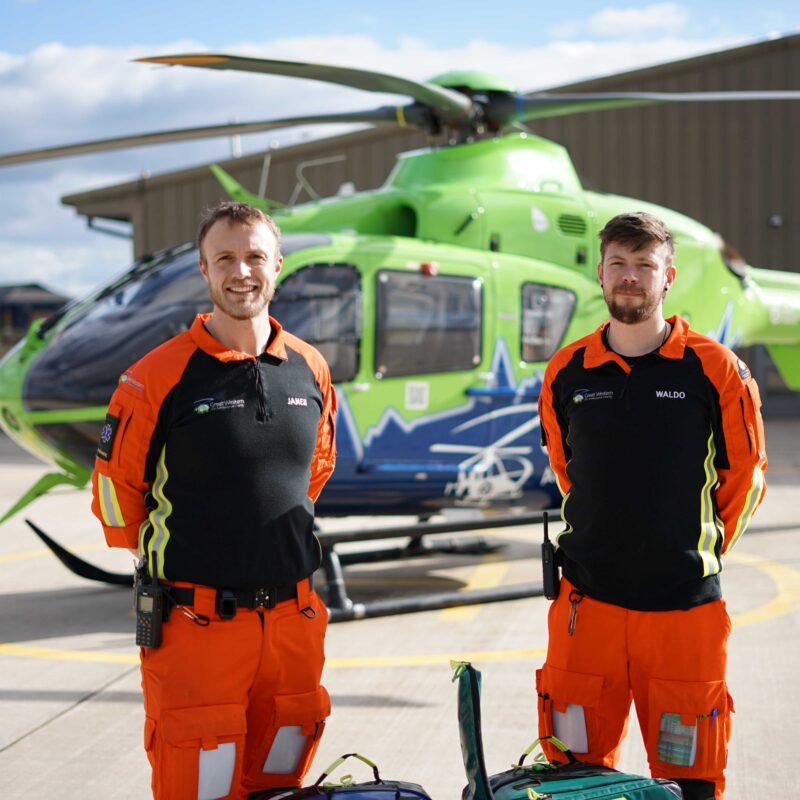
SPCC James Yates talks about the specialist neonatal and paediatric expertise within the GWAAC team.
Did you know?
We have Critical Care Doctors as part of our team
Dr Nicky Moore joined us in 2022 as a pre-hospital emergency medicine trainee. In 2025 he secured a permanent role with us as a Critical Care Doctor.
We took our patients to the best hospital for their clinical needs
The people we treat often need specialist care that is only available at Major Trauma Centres or other expert units. As a result, we take patients directly to these hospitals rather than the nearest Emergency Department, ensuring they receive the right care as quickly as possible.
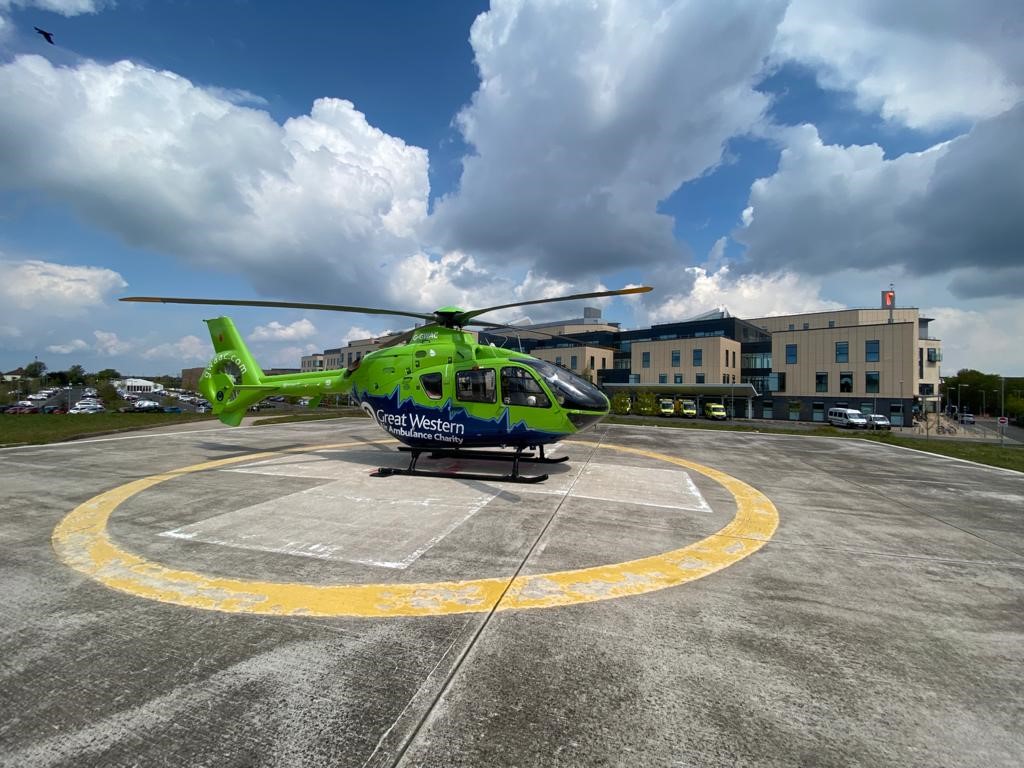
Did you know?
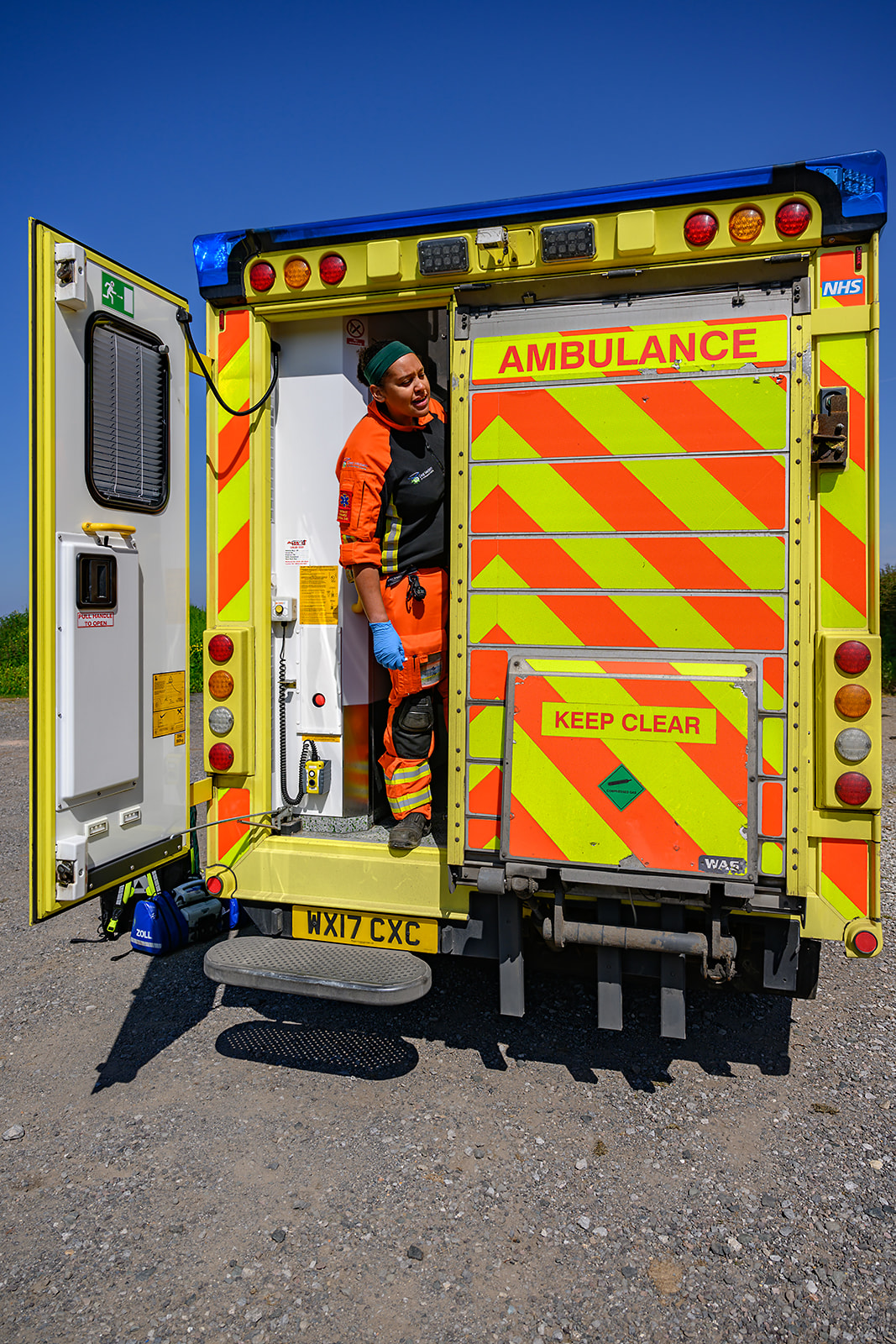
We transport most of our patients to hospital by land ambulance
Albie's story
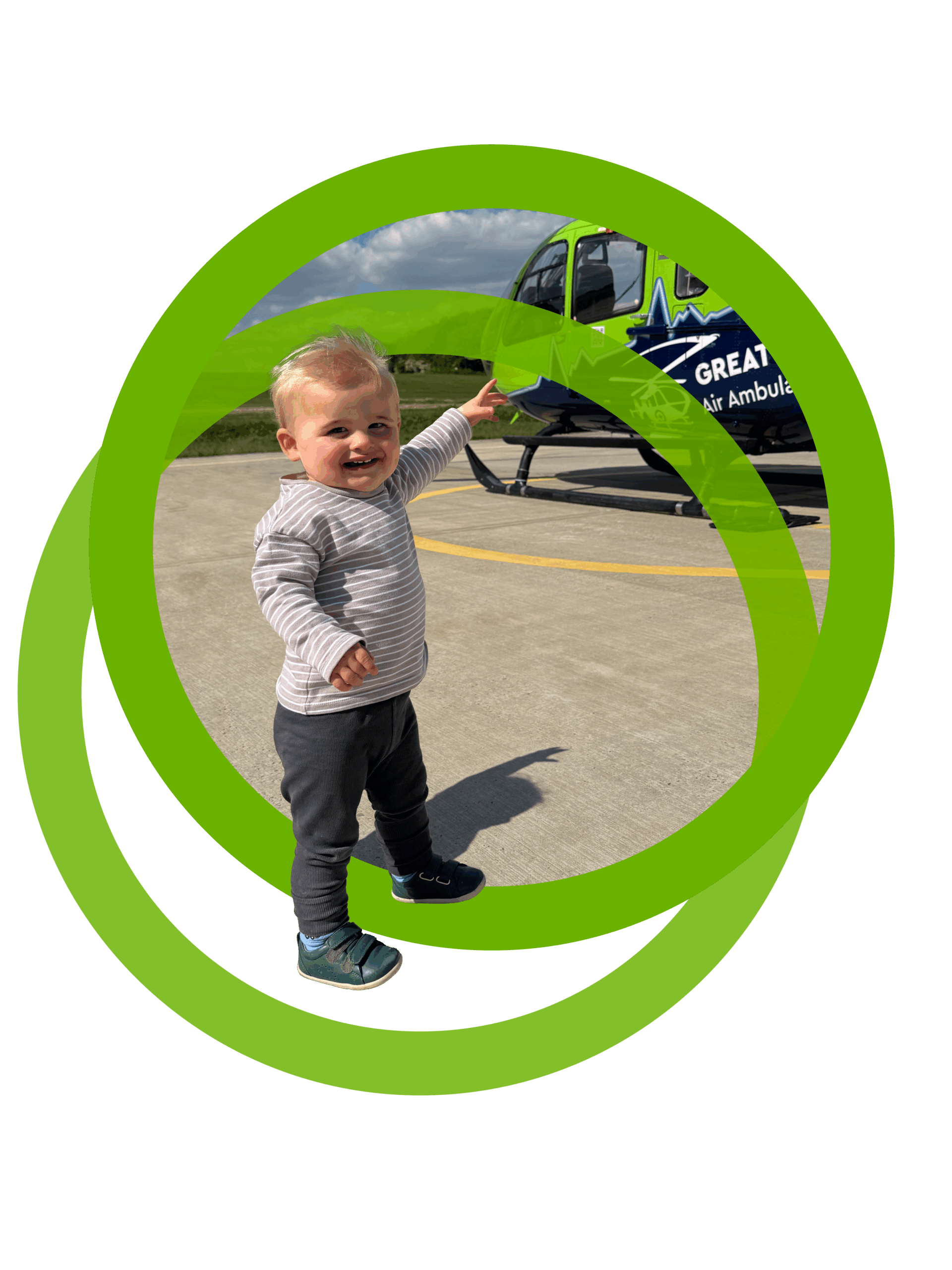
At just three days old, Albie experienced a sudden medical emergency during a routine midwife visit. He stopped breathing and needed immediate CPR in the family’s dining room.
GWAAC’s Critical Care Team was dispatched. Landing in the nearby park, Critical Care Doctor, Nicky, and Specialist Paramedic in Critical Care, Jack, rushed to their house to help.
The situation worsened when Albie had a severe seizure. Our crew acted quickly, managing Albie’s airway, breathing and oxygen, while correcting possible reversible causes by administering medications and infusions through a needle in his femur. They kept his parents, Tom and Victoria, informed throughout, and when Albie was stable enough, our crew travelled with him in an ambulance to the Bristol Royal Hospital for Children where an emergency team were ready to continue his care.
Today, Albie is a lively, curious, happy little boy. Although the cause of his collapse remains unknown, Albie continues with annual check-ups and is currently healthy and full of energy.

WE SHARED OUR EXPERTISE TO HELP SAVE MORE LIVES
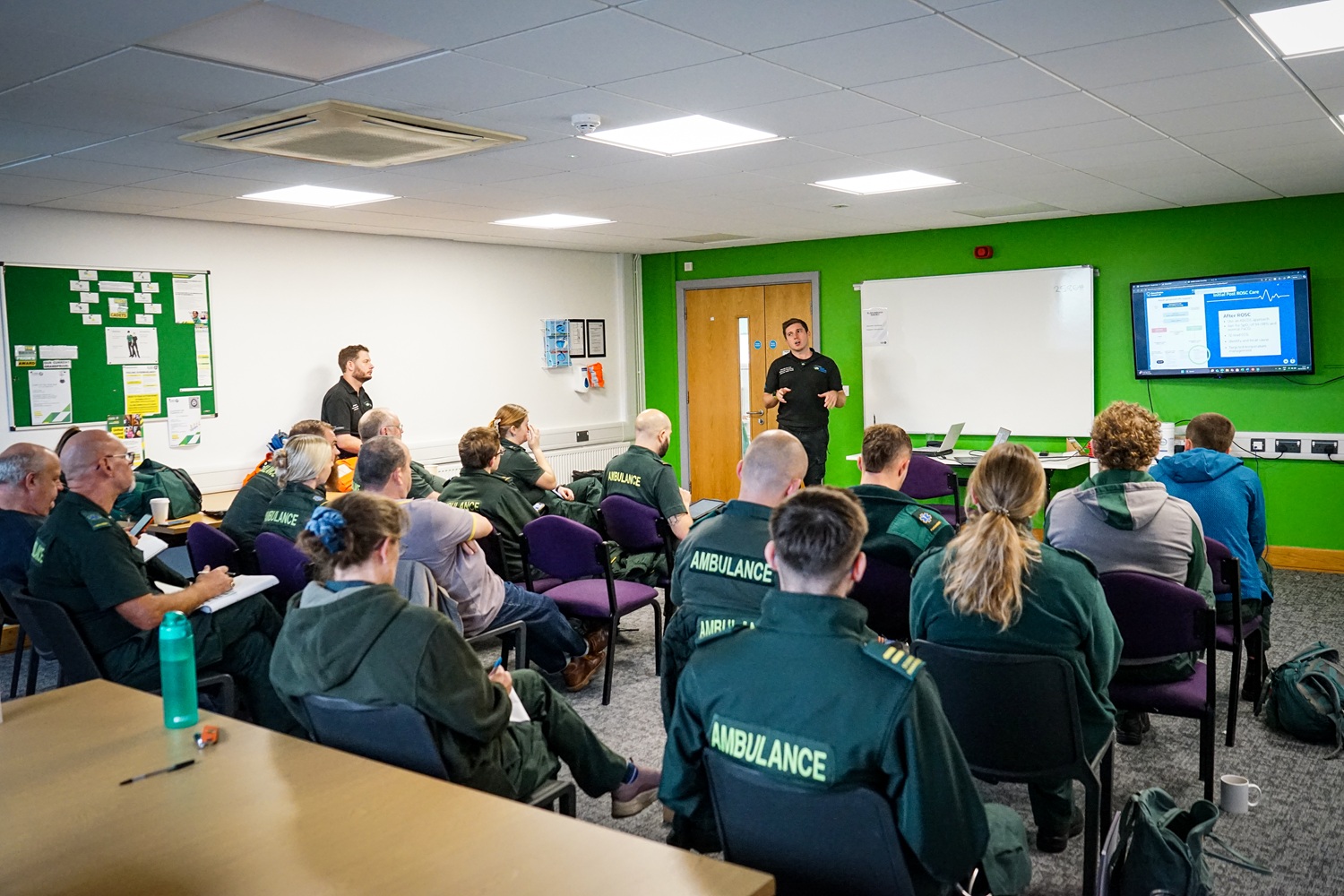
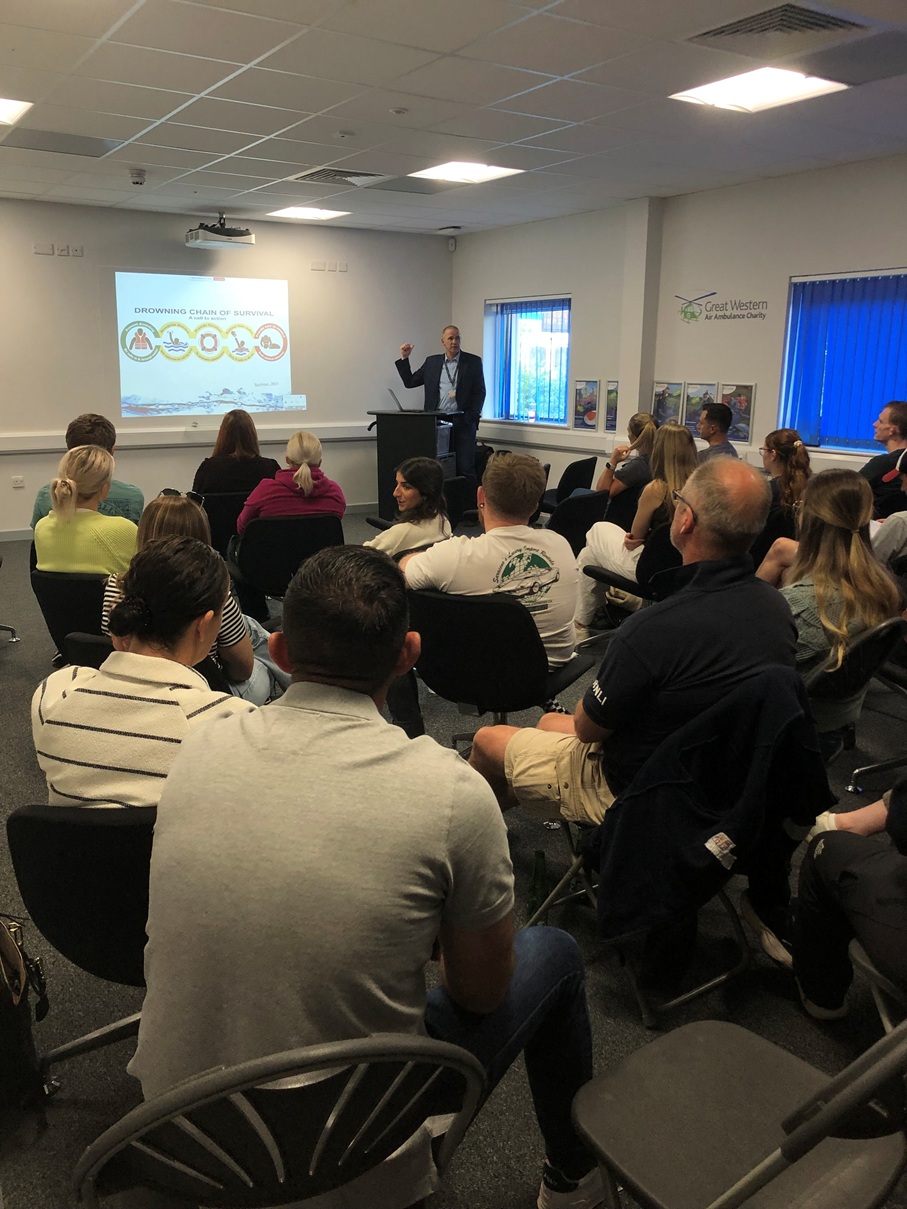

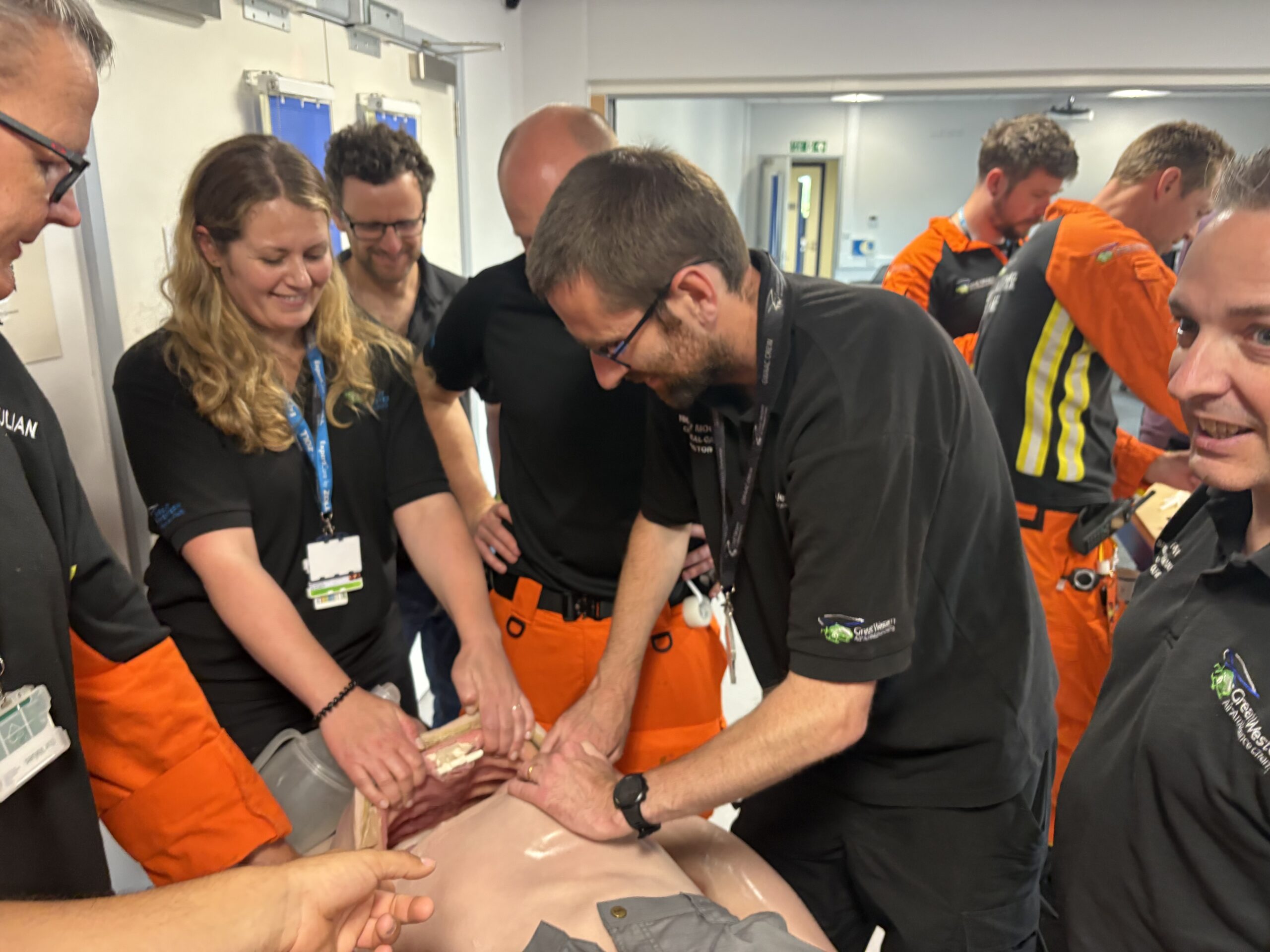
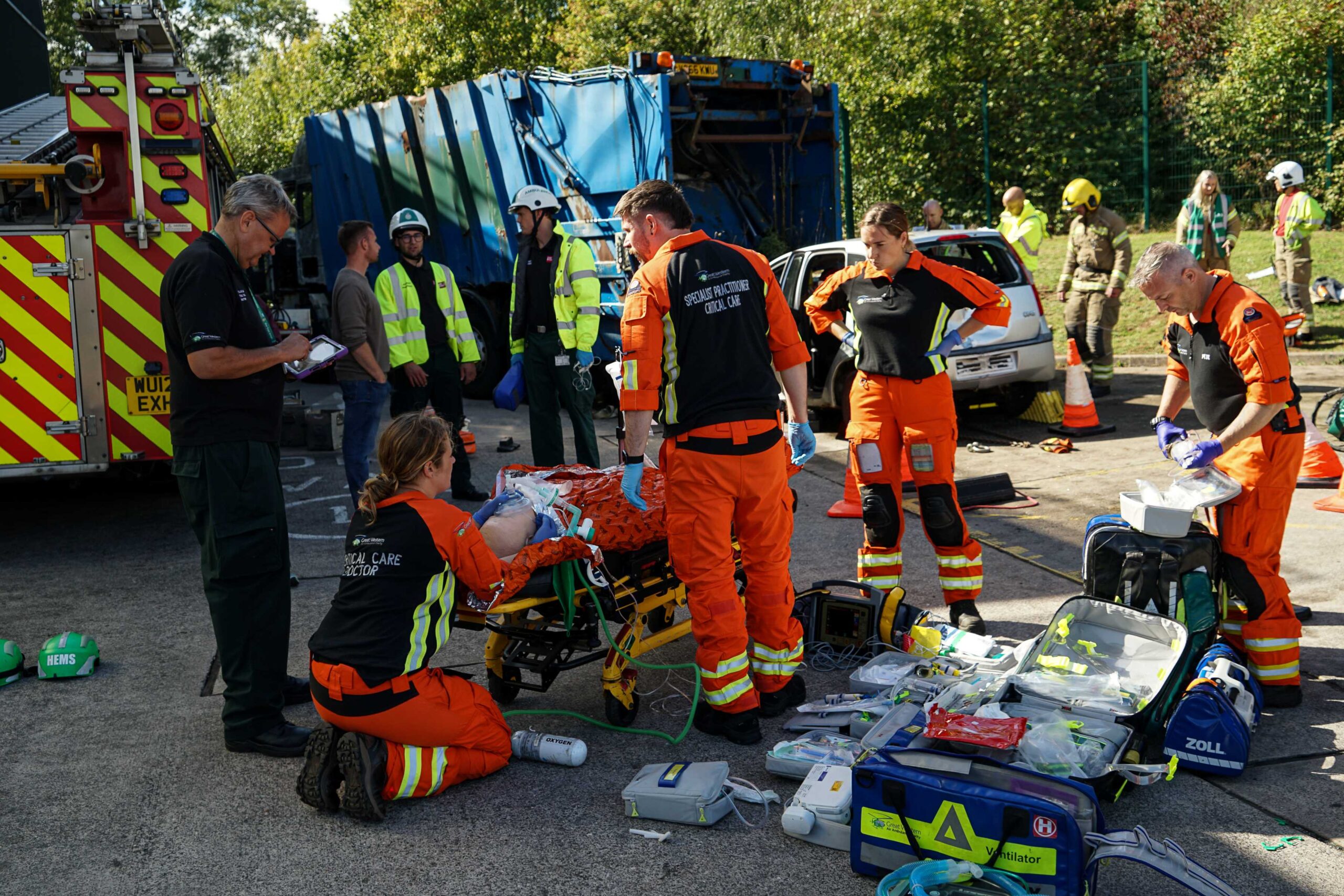

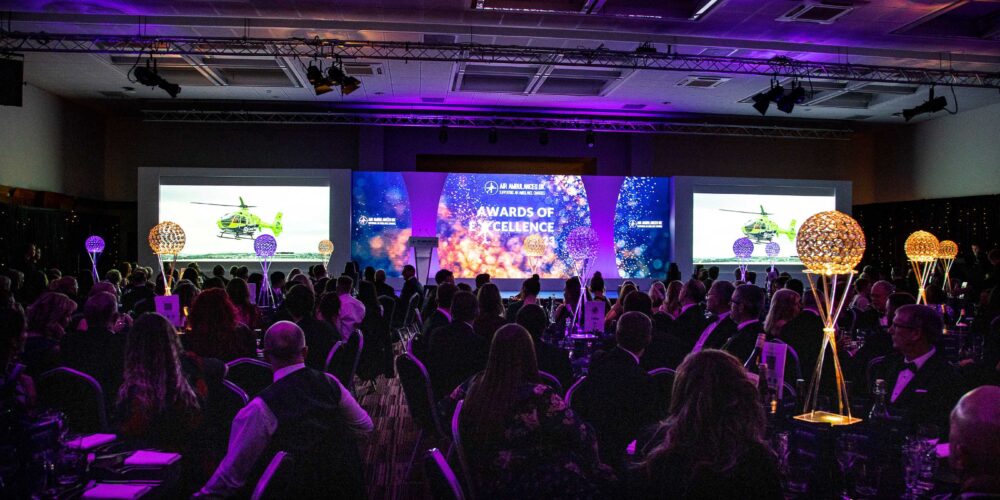
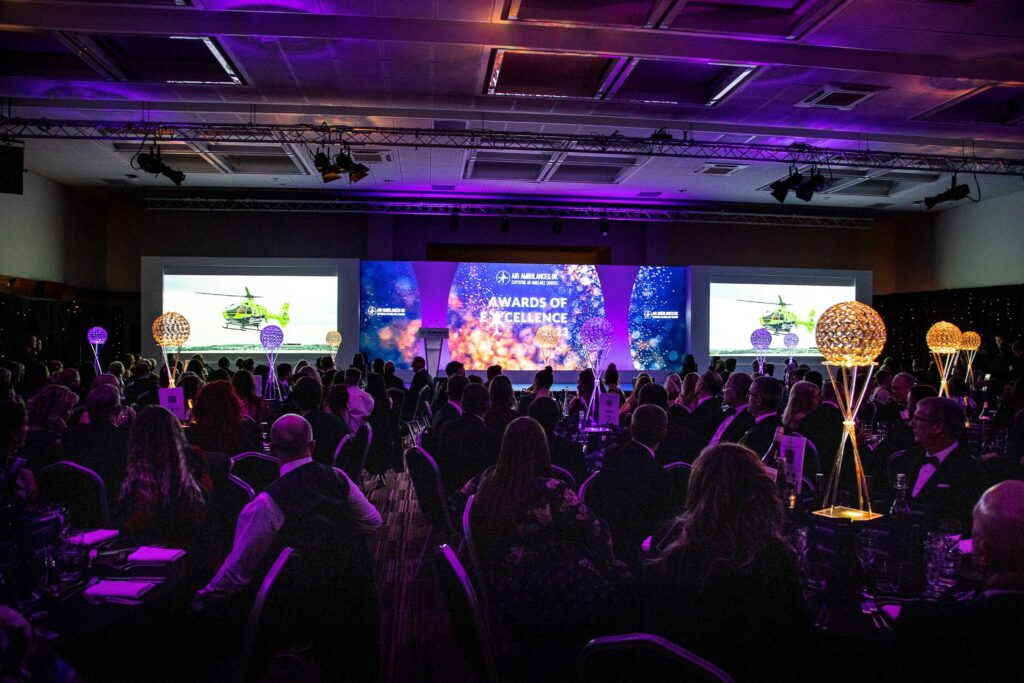
Access to PHEM was recognised in the Breaking Barriers category at AAUK Awards of Excellence
We were Highly Commended in the Breaking Barriers category for our Access to PHEM programme, which supports hospital doctors moving into pre-hospital emergency medicine (PHEM). Through targeted mentorship and education, the programme has helped improve access to PHEM careers, particularly for under-represented groups including female doctors.
"The success of Access to PHEM shows the real impact of targeted mentorship and support in breaking down barriers to pre-hospital careers."
WE IMPLEMENTED AND EMBEDDED NEW WAYS TO DELIVER CARE
We trialled and embedded Clinician Assisted Dispatch
In early 2025, three Specialist Paramedics supported SWASFT’s Critical Care Dispatch Desk as part of a trial to assess the impact of clinician-led dispatch decision-making. Their involvement helped ensure air ambulance crews were directed to patients most likely to benefit from enhanced or critical care.
Following the success of the trial, Clinician Assisted Dispatch was fully embedded. These SPCCs continue to work some shifts within the Emergency Operations Centre and early results show a significant positive impact across the region. Plans are in place to extend coverage into the evening through additional late shifts, enabling more patients to benefit and ensuring crews are deployed where they can make the greatest difference.
We formalised advanced monitoring to improve patient care
We embedded the use of arterial line monitoring into our routine care of critically unwell patients. This allows our crews to continuously monitor blood pressure and make more informed treatment decisions in high-risk situations. We also successfully introduced noradrenaline infusions to better support patients with severe illness or injury.
Together, these developments represent an important step forward in our pre-hospital critical care practice enabling our crew to deliver more precise, targeted interventions at the scene. With these foundations in place, we can continue advancing monitoring and treatment, particularly for patients in cardiac arrest or with major trauma, improving outcomes for the sickest patients we treat.
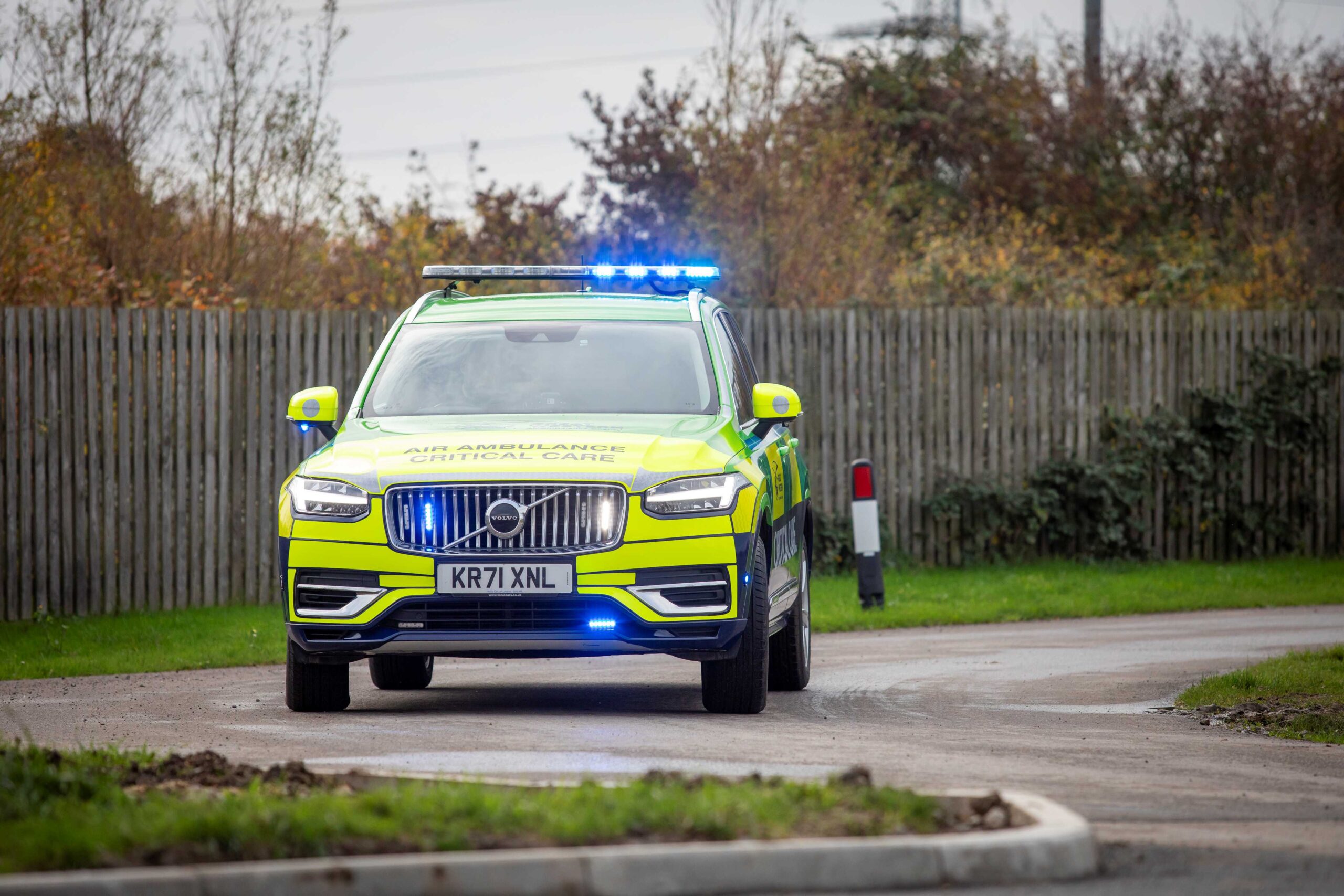
We added a critical care car to help us reach more patients
In September, we welcomed an extra critical care car to our fleet to support the demanding, lifesaving work of our crew. The new vehicle is enhancing readiness, resilience and reach, helping ensure a full fleet of emergency-ready cars is available to respond to patients wherever and whenever they need us.
This milestone was made possible thanks to the generous support of Farrans, Bristol Airport and National Highways.
OUR TEAM IS THE BEST IT CAN BE
WE WELCOMED TWO NEW CREW MEMBERS
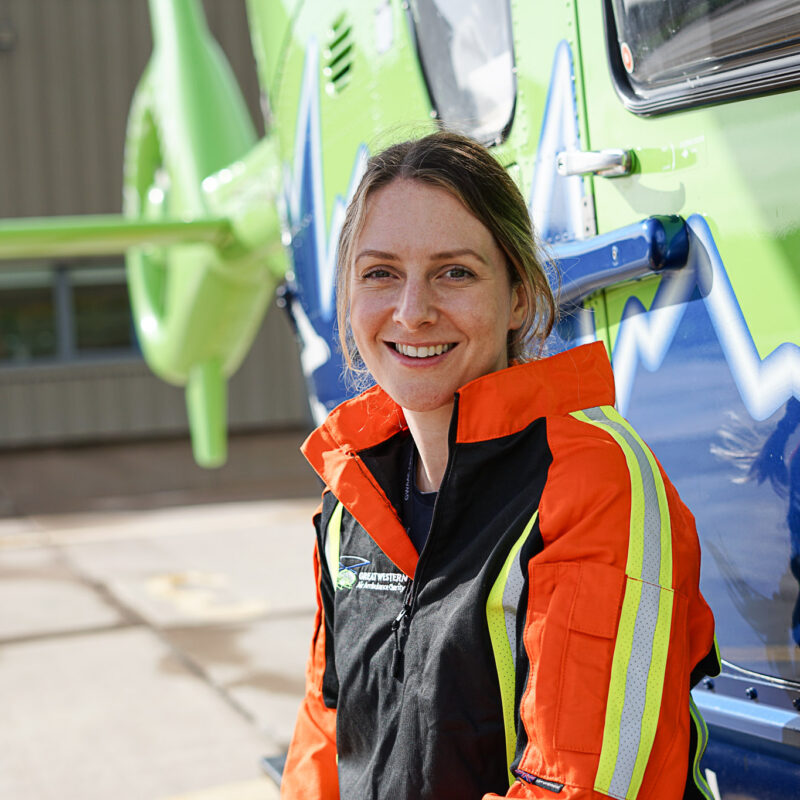
Dr Alex Taylor
Dr Alex joined us in August as our newest pre-hospital emergency medicine (PHEM) trainee, having come through GWAAC’s Access to PHEM programme. Originally from Newcastle, Alex studied medicine in Glasgow and has built a varied career spanning emergency medicine, expedition medicine and pre-hospital care, including time working overseas in New Zealand and South Africa. Her ambition is to continue developing her skills in PHEM, enjoying the journey as much as the destination.
“Early on, I wasn’t sure there was a place for me in PHEM. GWAAC made it clear that everyone brings something valuable to the table, and I’m delighted to now be part of the team.”
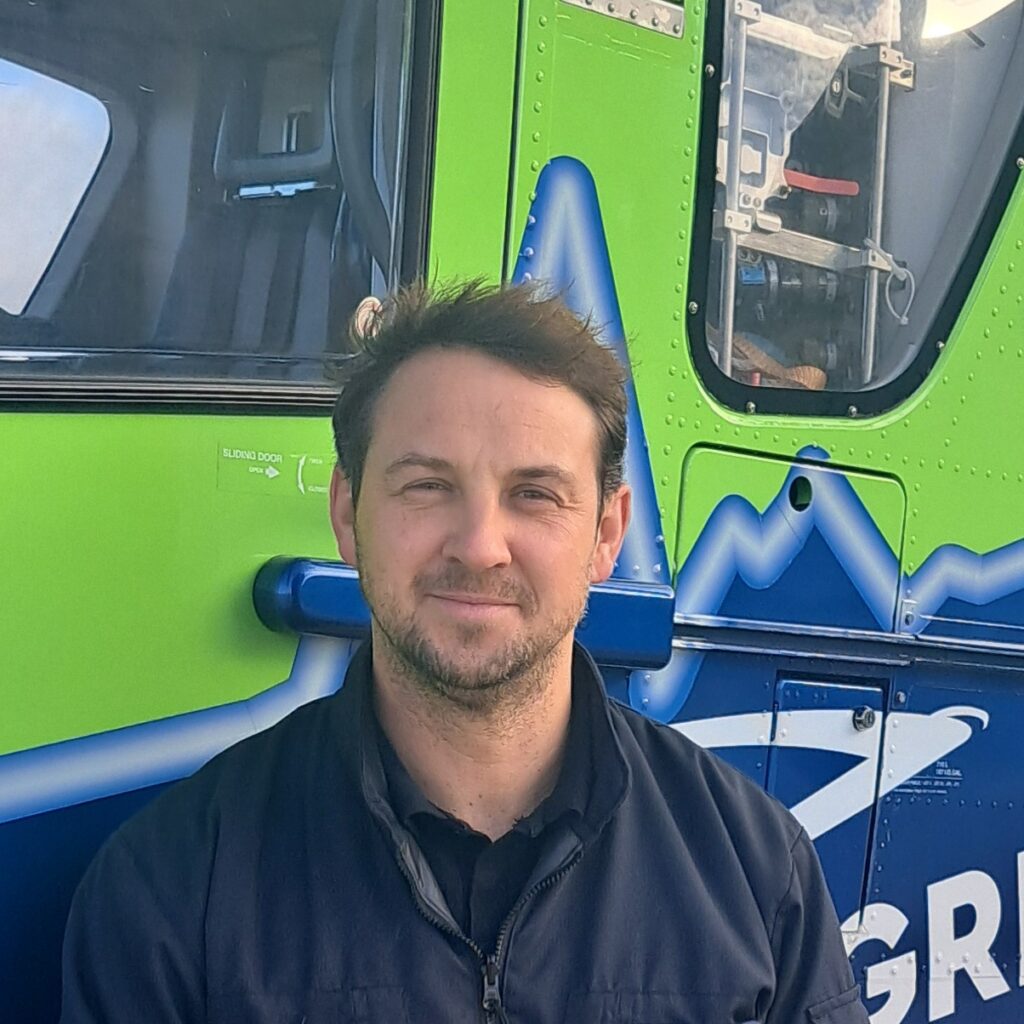
Captain Dan Mansell
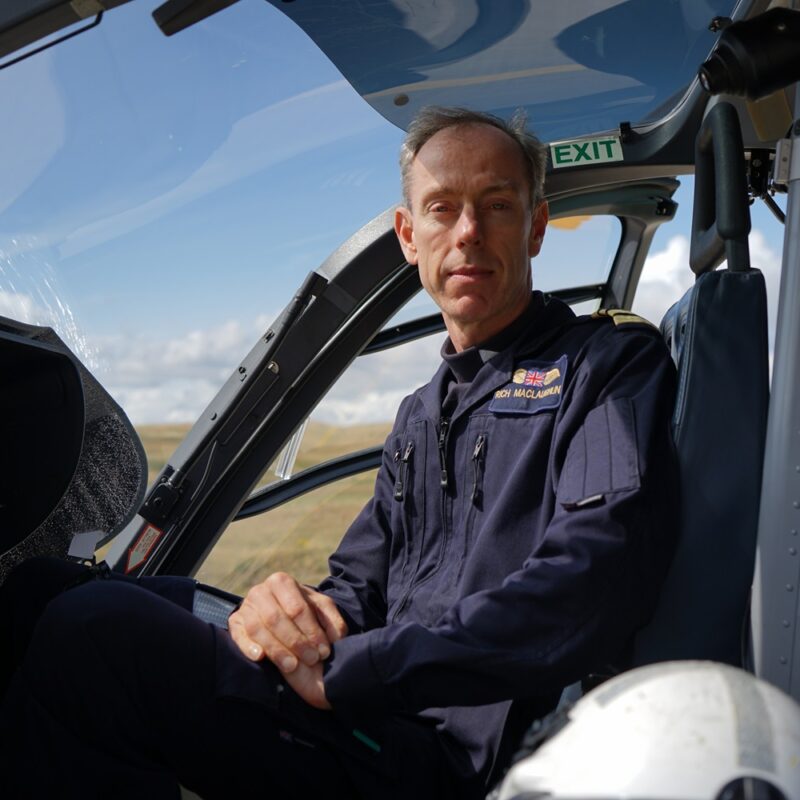
Dan joined us in November as one of our two regular pilots. He comes from a civilian aviation background and has had a varied career. Dan has flown for East Anglian Air Ambulance, oil and gas transportation in the North Sea and the National Police Air Service.
“It was lovely to be offered the role, be close to home and work with such an amazing charity that saves lives in my own community. I’m looking forward to seeing people when we’re out and about and helping them understand more about GWAAC.”

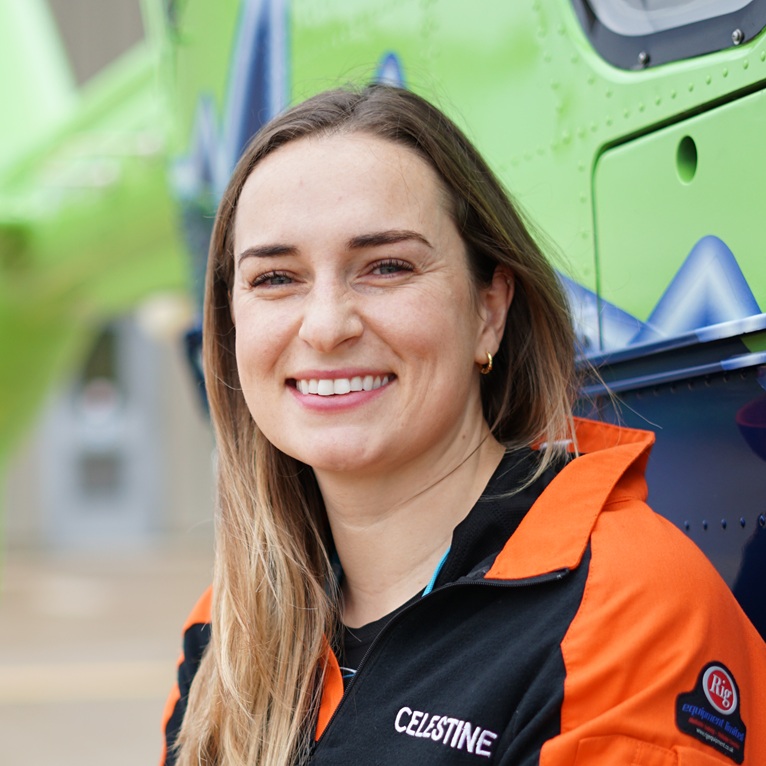
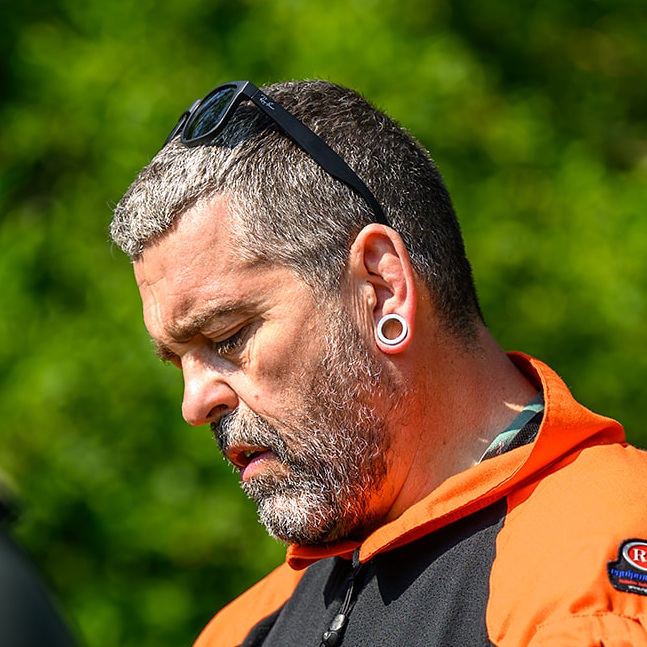
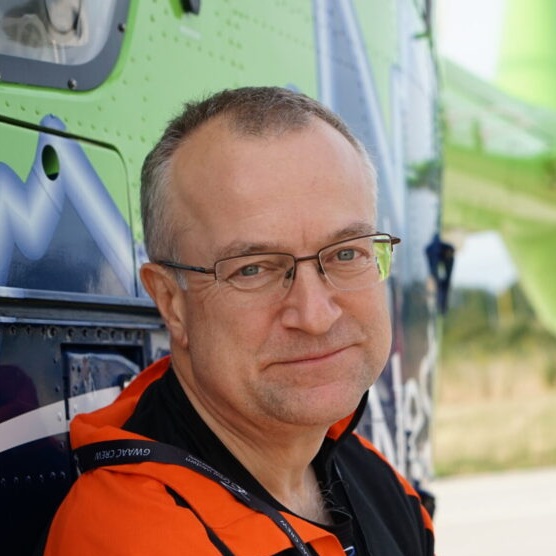
Our crew spent time focusing on wellbeing
In September, our crew attended a Wellbeing Day at The Wave Bristol, taking time away from frontline duties to focus on mental health and wellbeing. The day combined inspiring talks on serious issues such as burnout and mental health with discussions on high-performing teams, alongside team-building activities and the chance to try surfing! This mix of reflection, learning and fun helped staff reconnect, recharge and strengthen team bonds.
This initiative was made possible thanks to the support of the Blue Light Card Foundation, ensuring our crew feel valued, supported and ready to face the challenges of working in pre-hospital emergency medicine.
BE SOCIALLY AND ENVIRONMENTALLY RESPONSIBLE

WE MADE PROGRESS TOWARDS OUR ENVIRONMENTAL COMMITMENT
We remain dedicated to minimising our environmental footprint, with a clear goal of achieving carbon neutrality by 2030.
We developed plans for a solar farm
In partnership with Bristol Energy Cooperative, we consulted with the public on proposals for a 5MW solar farm, to be located on the sloping land above our Final Approach and Take-Off Area. Throughout 2025, surveys and preparatory work were carried out ahead of a full planning application. Bristol Energy Cooperative is progressing the project, with the planning application submitted in early 2026.
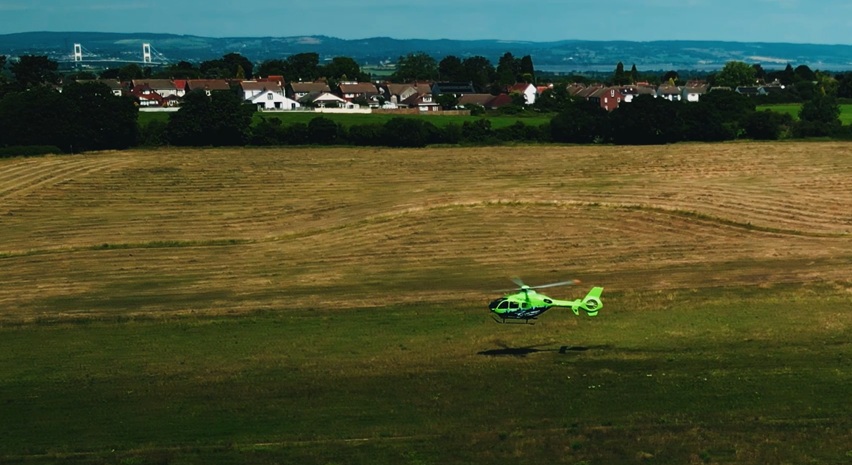
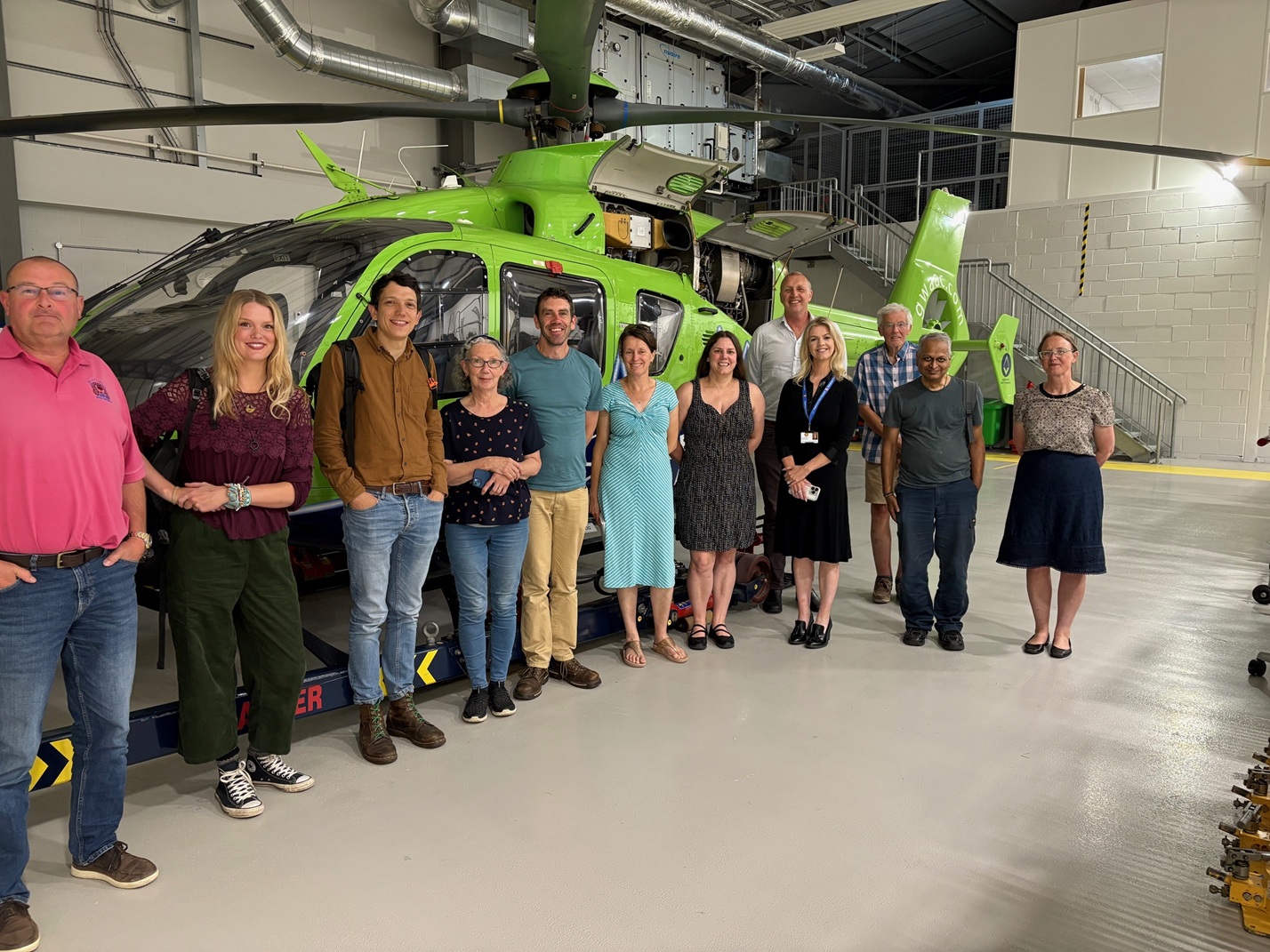
We shared our sustainability progress and influenced local action
We showcased our environmental commitments to local partners and the wider community throughout 2025. Critical Care Doctor and Trustee, Matt Thomas, alongside CEO, Anna Perry, spoke at South Gloucestershire Council’s Climate and Nature Public Emergency session at our airbase, sharing progress towards our goal of carbon neutrality by 2030.
Beyond the session, Anna also discussed our sustainability work at the South Gloucestershire Economic Forum and on local radio, demonstrating thought leadership and influencing others to consider sustainable practices. These activities reinforced our role in leading by example and collaborating with partners to support a greener, more sustainable future.
We expanded our portfolio of shops and saved thousands of items from landfill
We ended the year with thirteen shops, generating over £1 million in income and diverting 785 tonnes of pre-loved goods from landfill, helping offset an estimated 5,800 tonnes of CO₂. Our shops continue to raise awareness in the areas we serve, acting as community hubs for local residents.
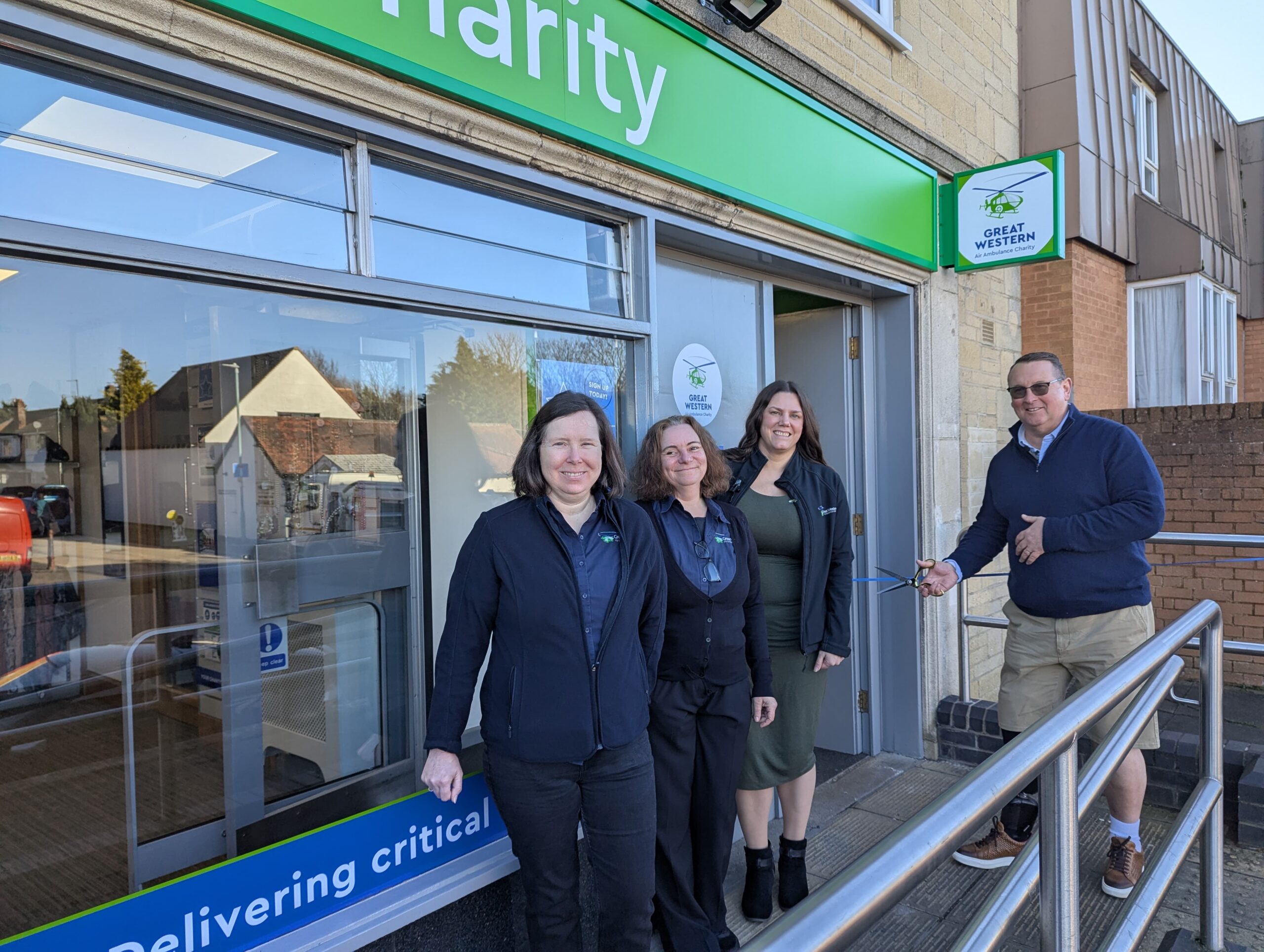
Brockworth, Gloucestershire
Our first shop opening of the year, Brockworth became our tenth GWAAC shop — a significant milestone reached less than five years after opening our very first shop.
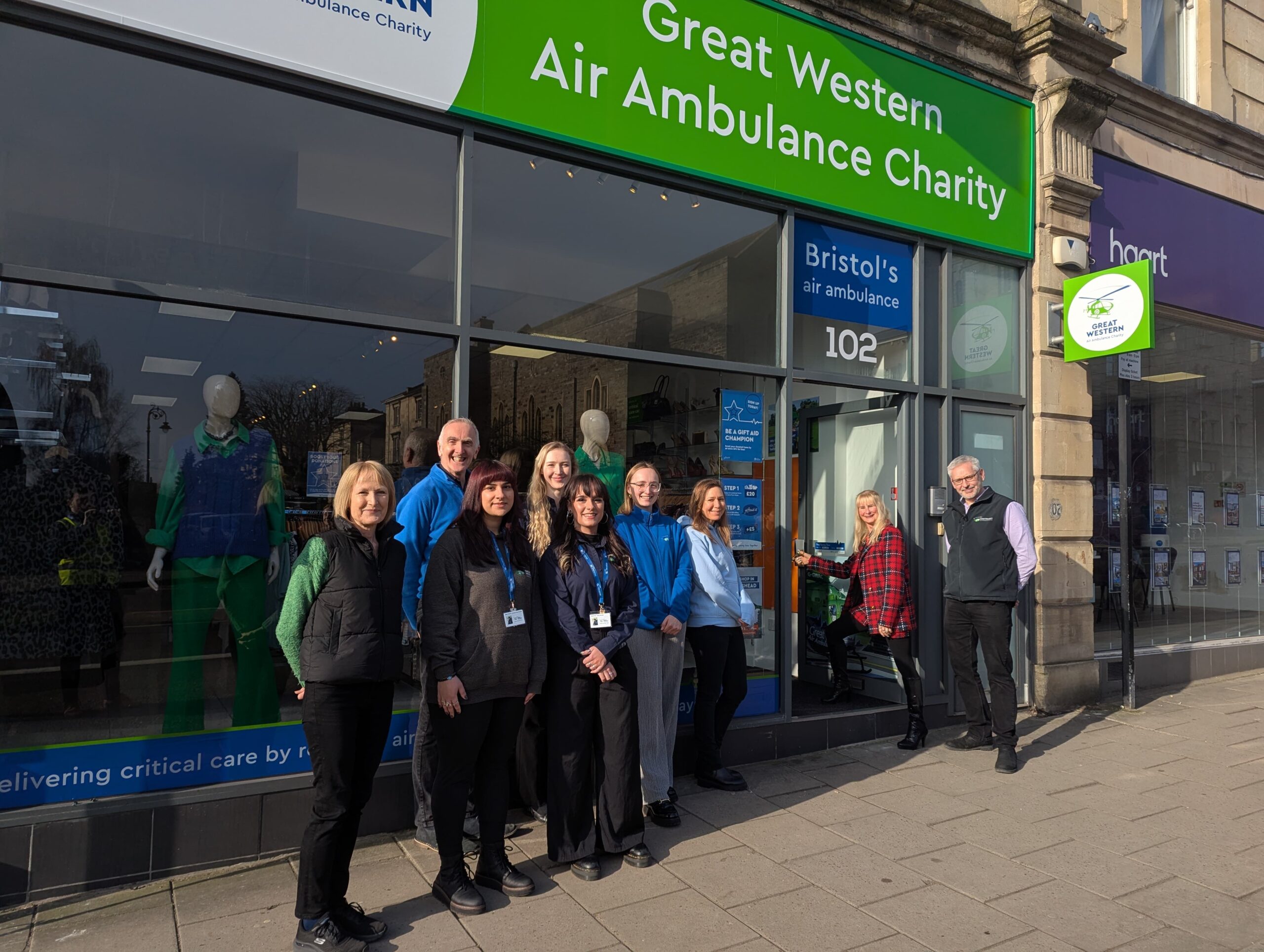
Whiteladies Road, Bristol
Our second shop of 2025 opened on busy Whiteladies Road, strengthening our presence in the city and connecting more people with our lifesaving work.
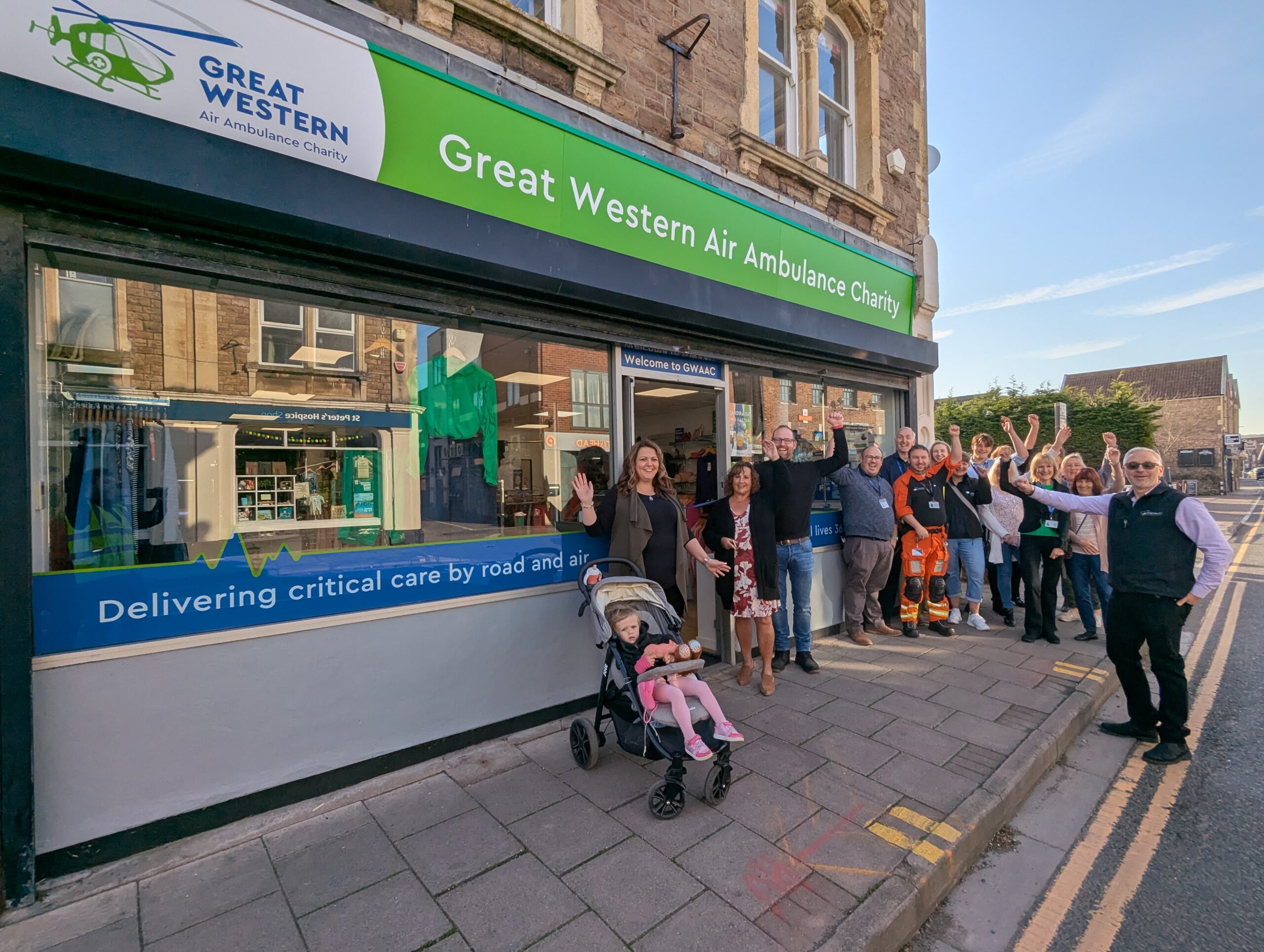
Portishead, North Somerset
Opening in Portishead, this marked our first shop in North Somerset, giving us a presence in all five main areas we serve and expanding opportunities for local communities to support their local air ambulance.
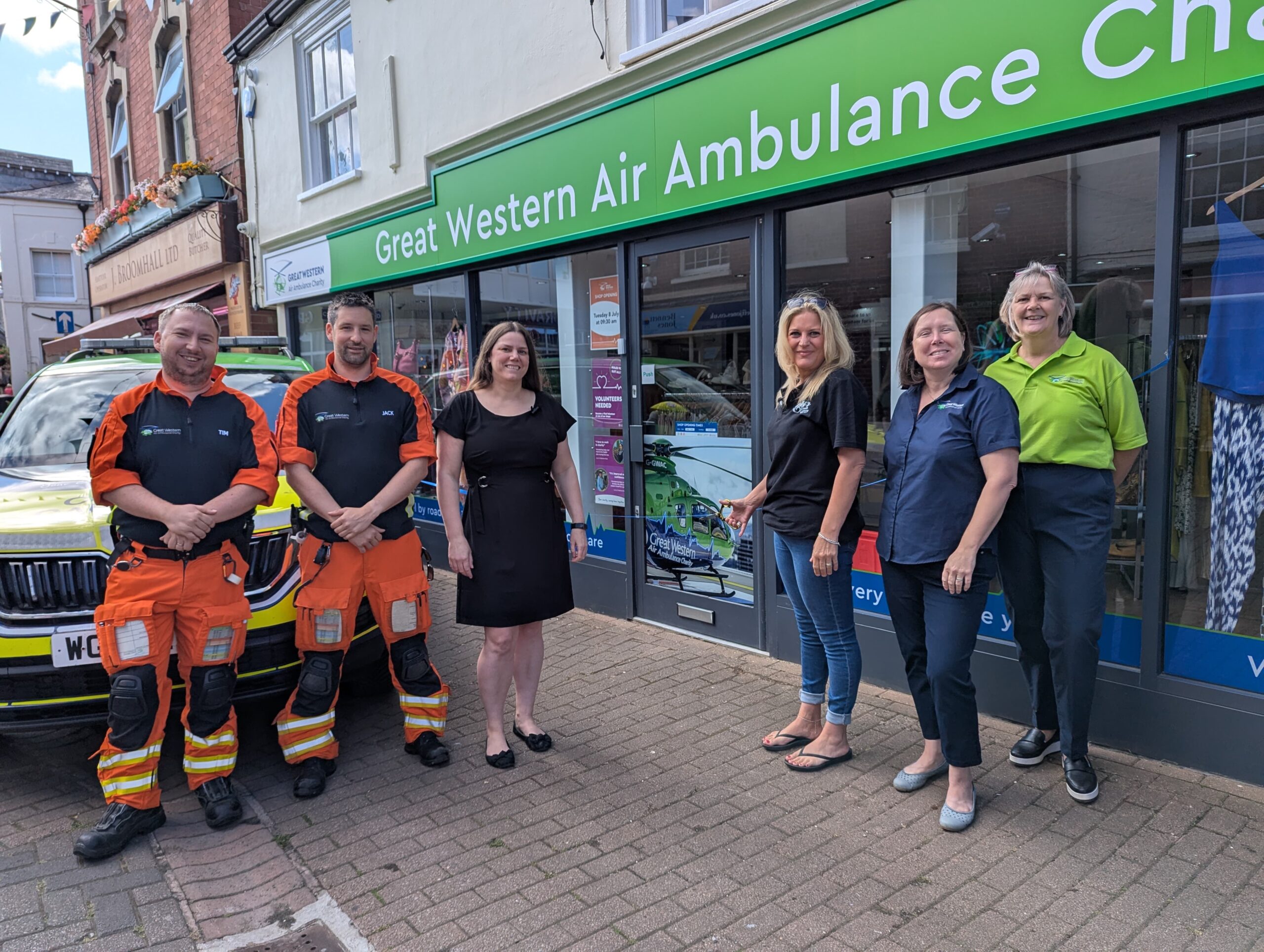
Dursley, Gloucestershire
Our final shop of 2025 opened on Dursley’s high street, quickly becoming part of the local community and attracting strong support from residents and visitors alike.