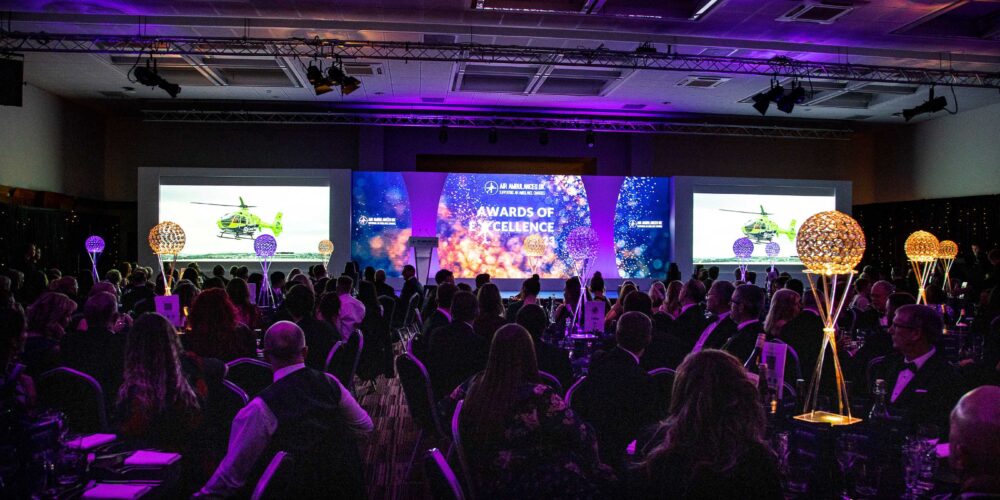
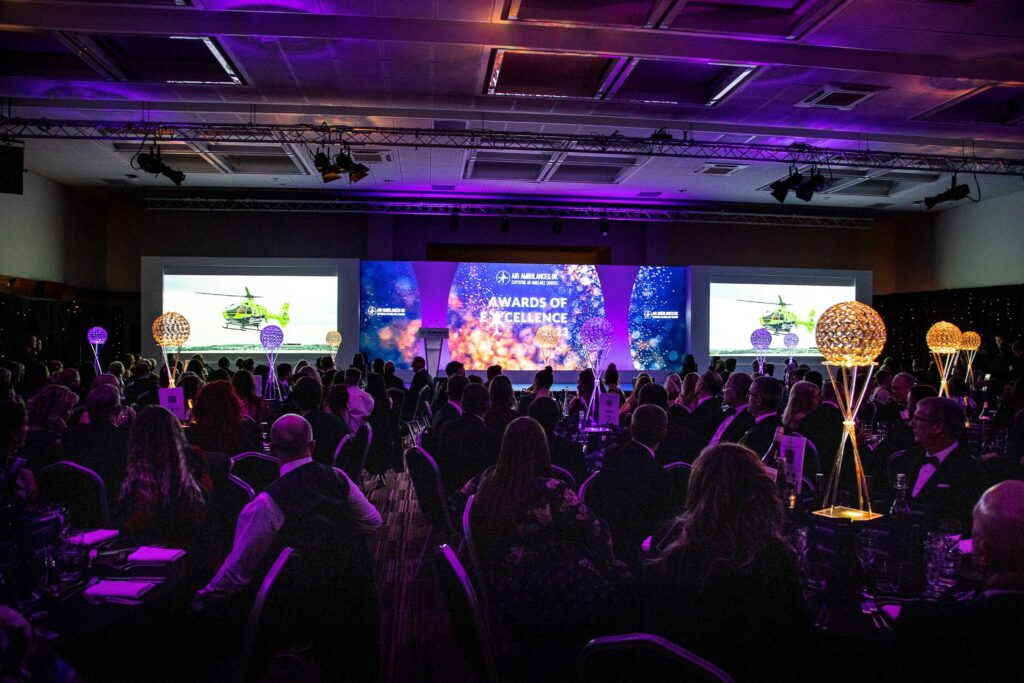
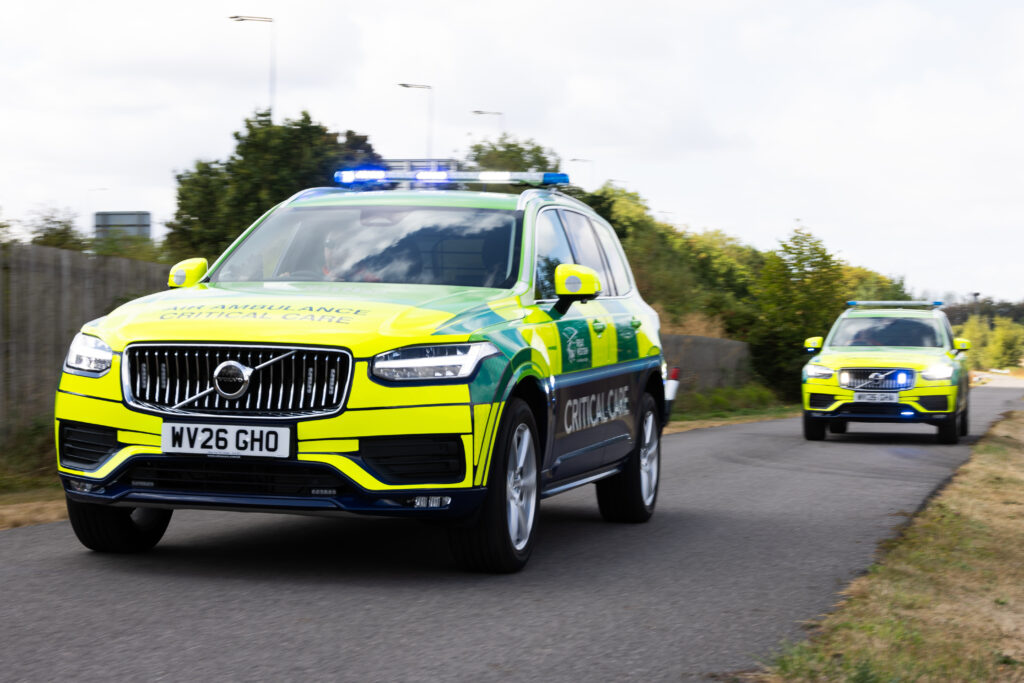
GWAAC shortlisted in two categories for Air Ambulances UK Awards of Excellence 2026
September 28, 2026
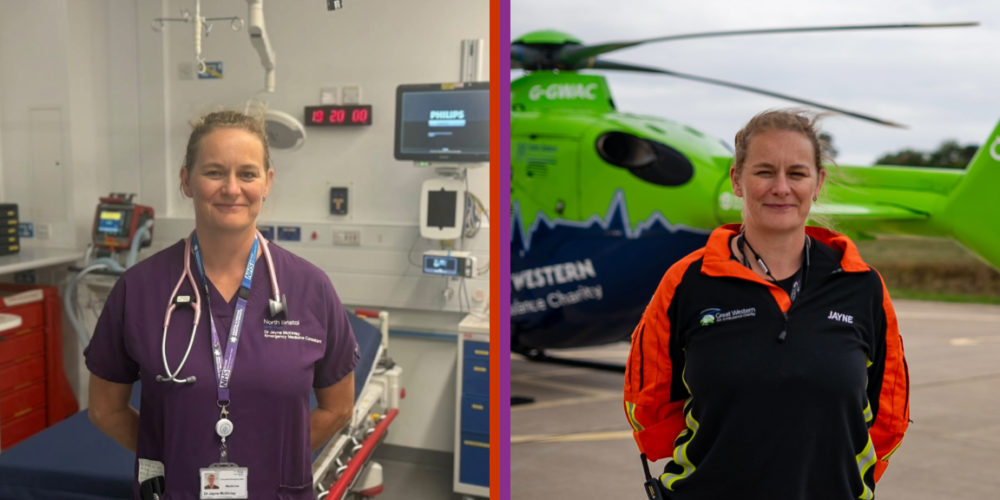
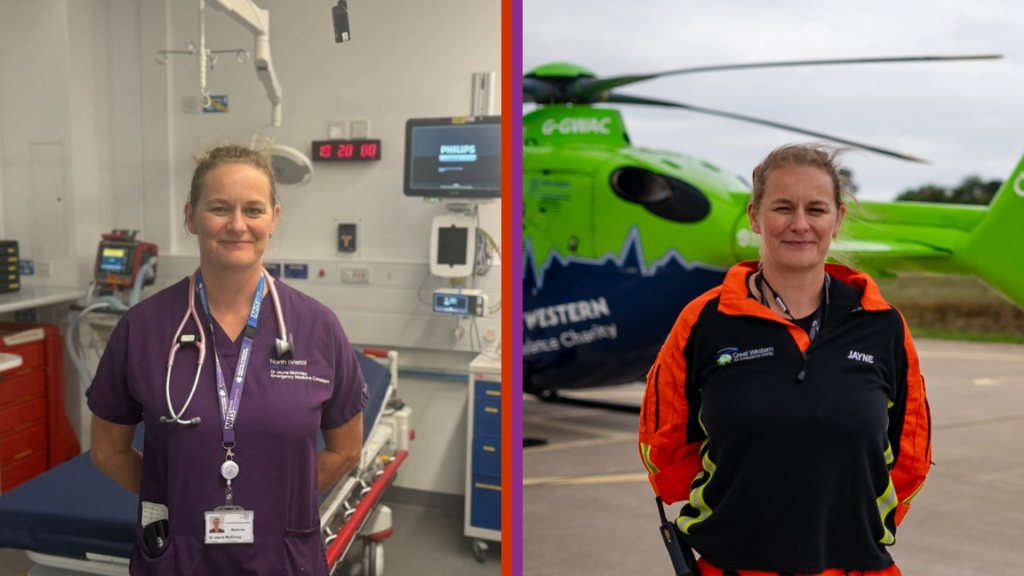
Two uniforms, two roles
September 30, 2026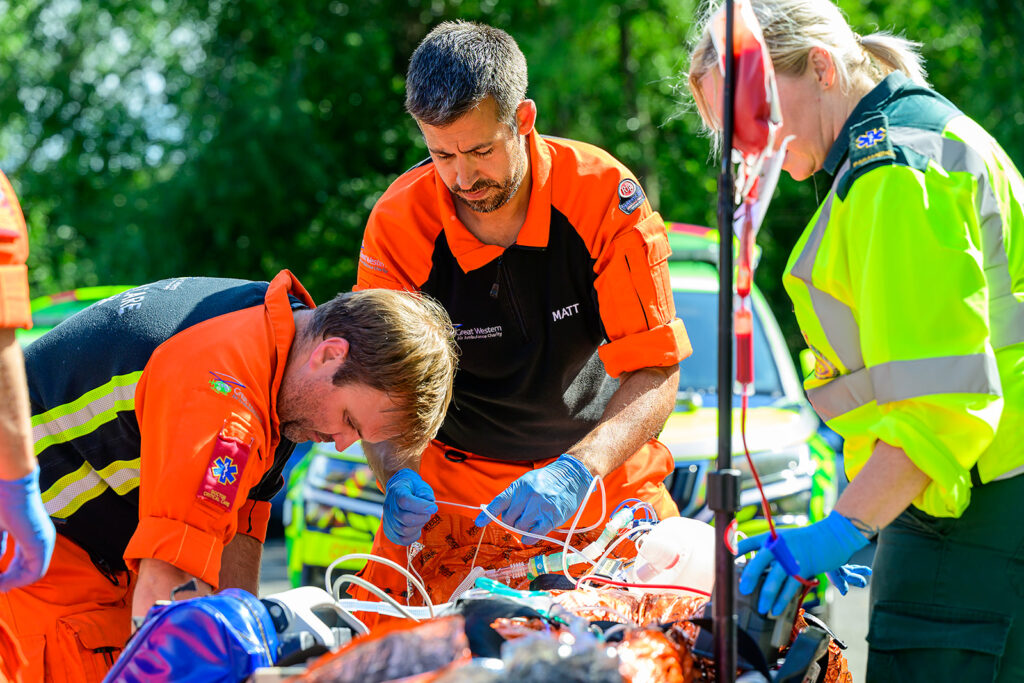
Teams that save lives at the scene: the people behind the orange
If you’ve watched BBC2’s Emergency 24/7, you will have seen people in orange—the crew from Great Western Air Ambulance Charity (GWAAC)—handing patients over to the wonderful teams at Southmead Hospital’s emergency department in Bristol. The programme follows the patient’s journey from this point onwards, but what viewers might not realise is that a big part of the patient’s journey has already happened at the scene of the incident—in a ditch, in a muddy field or in someone’s front room.
Here, we delve into the make-up of our team and how they work together to provide exceptional lifesaving care for people in urgent need, wherever that might be. There will be lots you didn’t know and we hope that by the time you finish reading, you’ll be as proud of your local air ambulance’s Critical Care Team as we are.
Who is there
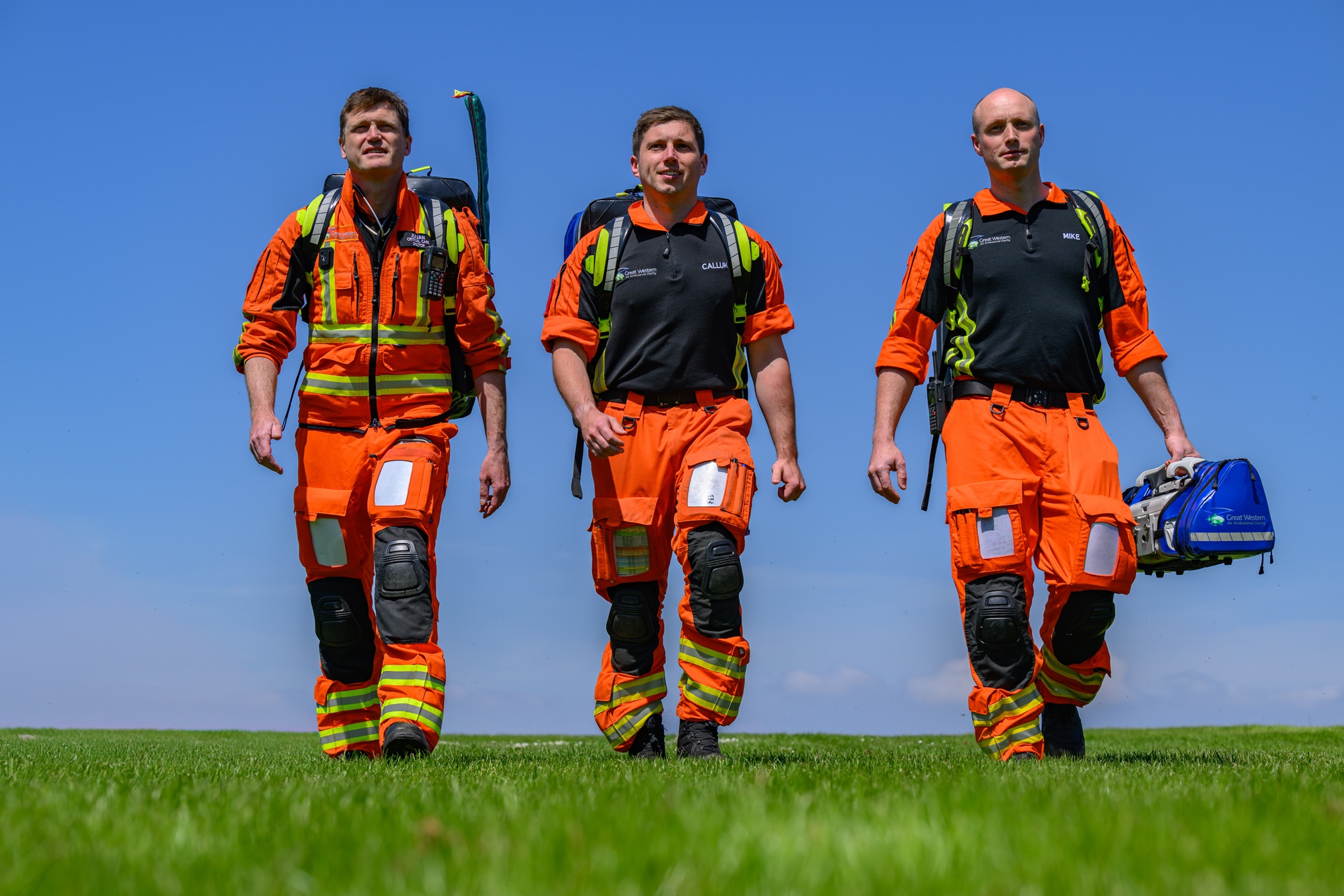
GWAAC’s Critical Care Team is made up of outstanding doctors and paramedics. Each member of the team has their own unique part to play, and when their different skills combine at the scene, our patients receive the best care possible when they need it most.
On most missions, we send a consultant-level doctor and at least one Specialist or Advanced Paramedic in Critical Care (SPCC or APCC) to the scene. Two experts from different training pathways with different skillsets and mindsets, working side by side as one Critical Care Team.
SPCC Dee explains: “The doctor brings hospital knowledge and expertise, along with experience of seeing thousands and thousands of patients in hospital, whereas a paramedic doesn’t see as many patients, but they have the knowledge and expertise of working in the pre-hospital environment and dealing with different situations which the doctor may not have come across or encountered before.”
What makes them different
It’s not just the different skills that our doctors and paramedics bring to the scene that means patients receive exceptional care, it’s also their different experiences and ways of thinking.
Dr Mark says, “It’s the diversity of thought that matters most. We have a setup where we have two different viewpoints to the clinical care we provide. The doctors bring in something from our training that we've had exposure to—critically unwell patients in a hospital setting—and the paramedics bring in experience from out-of-hospital settings. Blending those two together, you get different viewpoints and you get different recognition of when people are ill and different injury patterns. And I think that really brings the best to the patient and to the team because we all learn from that.”
Here are a few more reasons why they are better together:
- They encourage each other in special patient groups such as when treating a newborn
- The combination of different skillsets at complex scenes gives patients the highest chance of a positive outcome
- They learn from each other’s specialisms and ways of working, which is especially useful for solo shifts
- They have interchangeable skills which means team members can swap out and continue with a task
Dr Mark, who is also an Emergency Medicine Consultant says, “As a team, we can do everything that I can do in hospital, at the roadside. We give blood, perform emergency surgical procedures, give a general anaesthetic, reduce pressure on head injuries, give drugs for severe pain and complex overdoses, and deliver a baby by C-section… We can even do a small blood test, which is very useful for the immediate management of the patient on scene. Once the patient is in hospital, the hospital teams can do further tests, imagery, and continue with medication.”
How they work together
By combining their skills and bringing different ways of thinking to the scene of an incident, the team are able to recognize subtle signs of a patient’s condition and act early. Dr Mark says, “It’s different to how a patient presents in hospital. By the time a patient gets to hospital, they've often been unwell or injured for an hour or so before, and they present in a very different way.”
Understanding and recognizing nuances in patient conditions and care comes down to experience and knowing each other well. SPCC Mark describes a time when he and a GWAAC Doctor were called to a critically injured child: “It was a very stressful situation, but because we were so experienced and could rely on each other, we quickly picked up on subtle signs that helped us deliver the right treatment, quickly. I truly believe that a team with less experience and without the doctor-paramedic skillset would not have achieved a successful outcome for that patient that day.”
Early, expert decision-making in often unpredictable environments is vital for patients. Our team make very quick judgements on what needs to happen and who needs to do those things. They are skilled at forming ‘flash teams’ from the people on scene, identifying who has the best skillset to perform a vital action to get the patient stable and to hospital. This extends to all the teams at scene, including ambulance crews and fire crews.
When deciding who leads at scene, flexibility is key. Sometimes the team decide who leads based on training needs, sometimes on individual expertise. SPCC Mark says: “If the doctor on shift is a Cardiologist and the team are called to a patient with a heart problem it makes sense for the doctor to lead. But sometimes it's valuable for the team member who isn't as experienced to lead, with the specialist passing on their learnings at the scene. And this can be reversed; sometimes it’s the Paramedic who is more experienced and comfortable with a certain group of patients and teaches the doctor by leading on the patient’s care.”
And it’s not just the medical aspect of scene management they need to consider. There’s a non-medical side too. SPCC Mark explains: “The medical aspect is about knowing what we all think is going on with the patient and then knowing what the next few steps forward should be, to get that patient the right care and to the right place. The non-medical side of scene management involves one of the team looking at things like surroundings, crowd management and planning an exit route to hospital.”
Why they are excellent
We’ve explored the make-up of our team—who they are, what they can do, and how they work together. But a large part of why they are excellent comes down to training, trust and shared learning.
The doctor’s viewpoint:
Dr Mark reflects on his PHEM training at GWAAC: “The training from the Specialist Paramedics in Critical Care, alongside the doctors, has really benefited me. The SPCCs are an incredibly talented and forward-thinking group of clinicians, and they’ve helped me feel more confident in my decisions at scene and helped me with using the day-to-day kit. But more than this, their incredible experience, having worked on the roadside for many years as paramedics, has helped me learn to manage a scene, gain momentum on a scene, and do all those small things that can make a really big difference in terms of getting a patient to hospital quickly. They add so much value to this small team that we work in.”
He says, “The best thing about being a Critical Care Doctor for GWAAC is the incredible team that we have and learning off some world class specialists within their fields. But also, the training that I've had and being confident to go to any scenario, any age patient, in any condition and be able to provide critical care to them and feel confident about doing that, is a privilege.”
The paramedic’s viewpoint:
SPCC Dee says, “GWAAC’s doctors are just phenomenal. They know so much that it’s quite rare that they haven’t come across a certain condition or a presentation before. Their experience allows us to take a step forward in what we think that we need to know and do. They’re always there guiding us and backing us up.”
She concludes, “The doctor and paramedic roles blend really well at GWAAC. They complement each other well, and we just bounce off each other. We have an idea of what each other is thinking about what we are going to do on scene which allows us to prepare for and then action what needs to be done at the time. And any shortfalls in knowledge that we have, we pick up for each other.”
SPCC Mark focuses on the benefits of the close working relationships. He says, “Working with the doctors and knowing them so well, means we can often pick up on each other’s thoughts at the scene. We can recognise early on when one of us is thinking differently about a situation or course of action, and we can pre-empt that and have a discussion without interrupting the flow of patient care. And actually, because we can recognise this in each other and discuss things, it means we can facilitate a good level of care.”
This training and trust all feed into the team dynamics at scene. With no hierarchy and an open culture, there is a level of respect that everyone has for each other. And combined with the different skills and ways of thinking, our doctors and paramedics work seamlessly together to provide the best care for the patient.
“As a team, we can do everything that I can do in hospital, at the roadside. We give blood, perform emergency surgical procedures, give a general anaesthetic, reduce pressure on head injuries, give drugs for severe pain and complex overdoses, and deliver a baby by C-section…
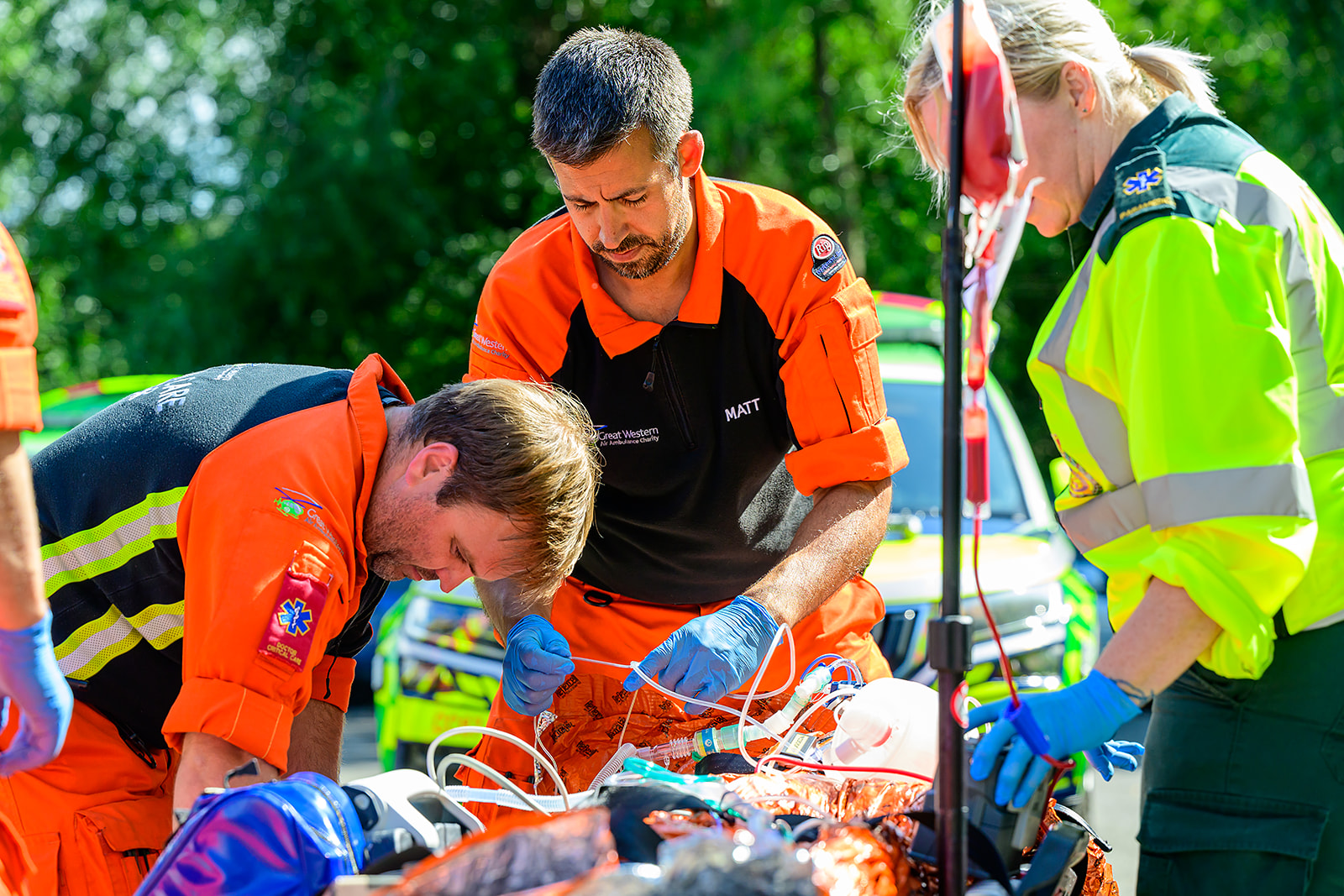
“The doctor and paramedic roles blend really well at GWAAC. They complement each other well, and we just bounce off each other. We have an idea of what each other is thinking about what we are going to do on scene which allows us to prepare for and then action what needs to be done at the time.”