The people behind the orange
September 29, 2026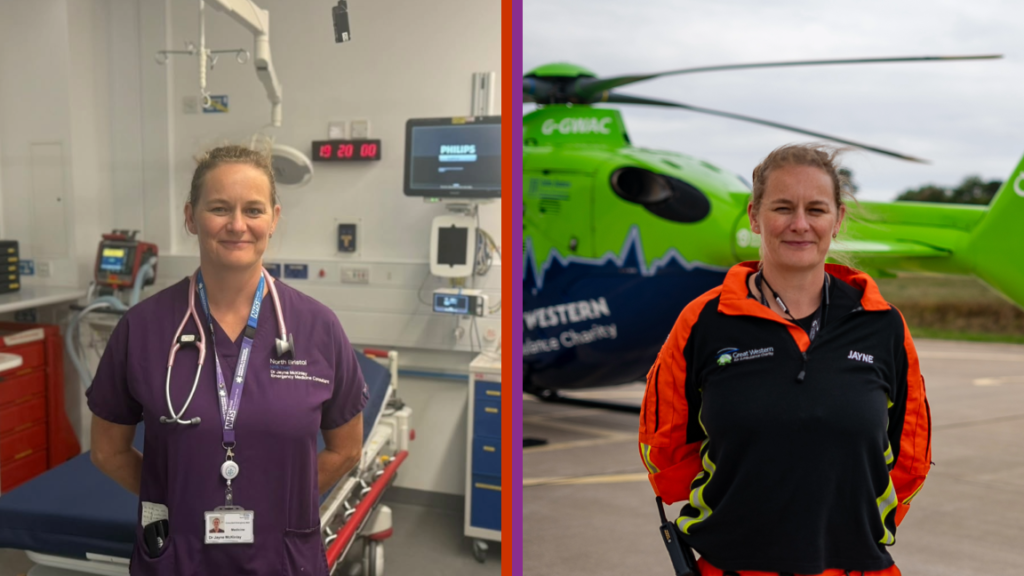
Have you been watching BBC Two’s Emergency 24/7?
It’s a six-part documentary series following patients and the teams caring for them in Southmead Hospital’s Emergency Department (ED) and wider hospital. It gives an insight into the different teams and roles involved in caring for patients as they arrive at hospital and receive treatment.
You may have seen Dr Jayne McKinlay and Dr Tim Godfrey in the programme, in their purple scrubs in the ED. Dr Jayne is a Trauma Consultant and Clinical Lead for the Emergency Department and Dr Tim is an Emergency Medicine Consultant.
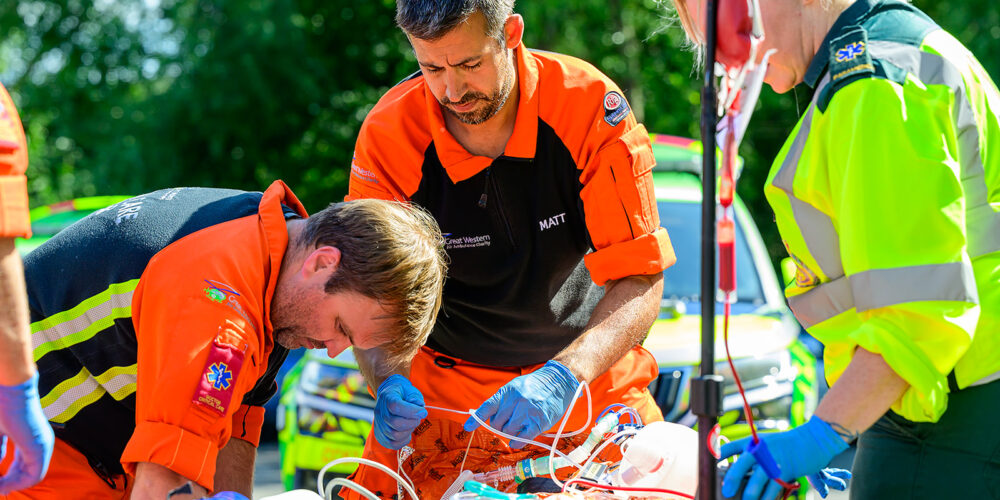
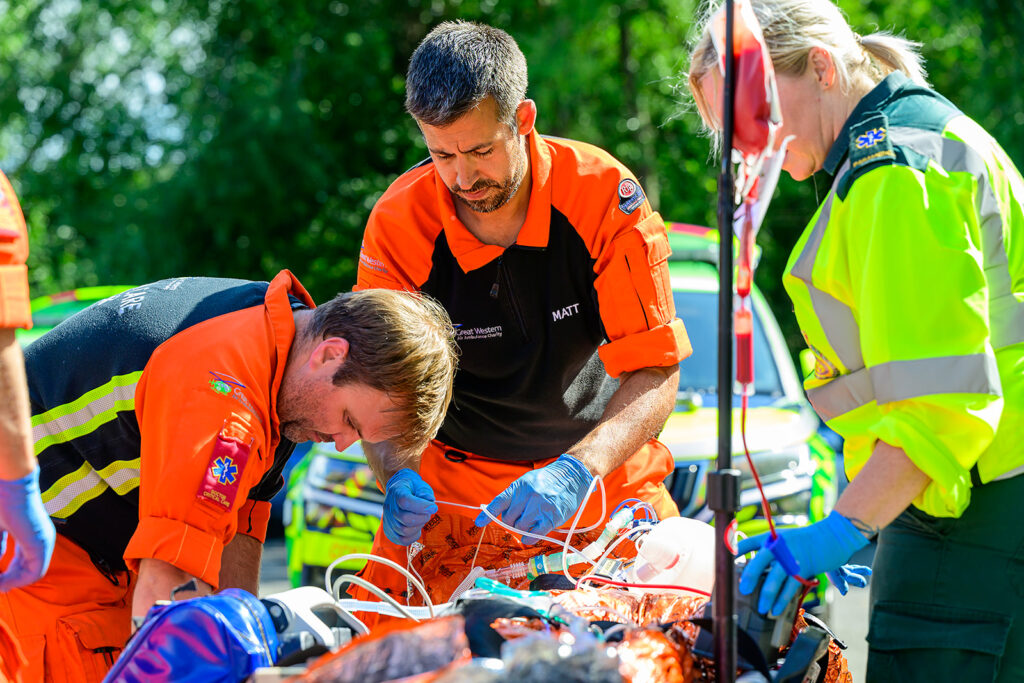
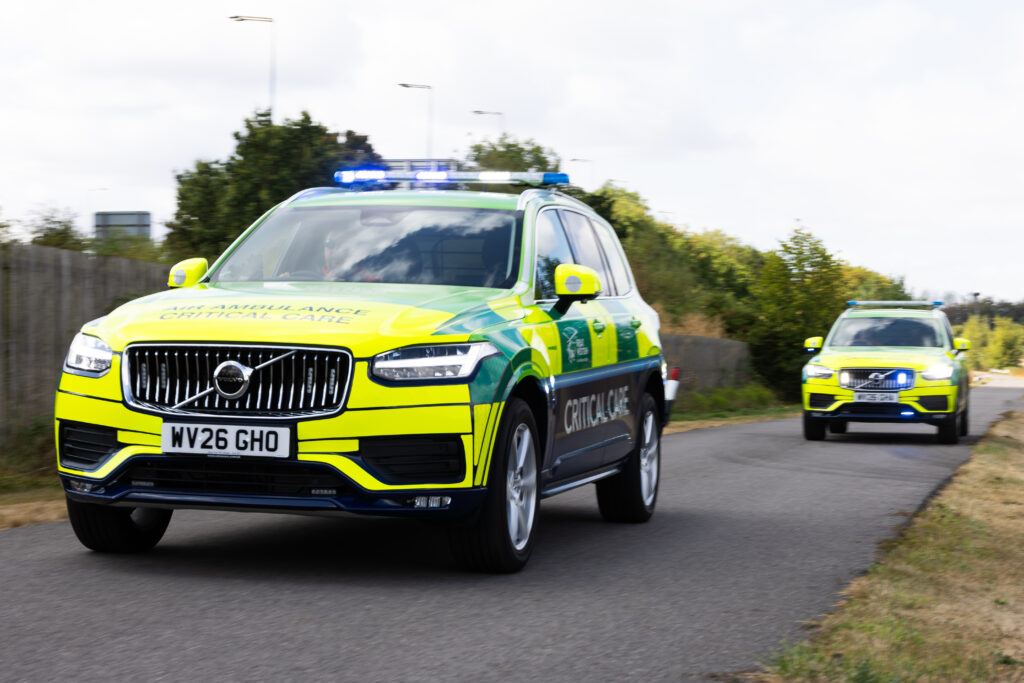
What you might not realise is that, on another day, you could see those same doctors arriving at the scene of an emergency in an orange flight suit with Great Western Air Ambulance Charity (GWAAC).
The air ambulance role, providing critical care at the scene
When Dr Jayne or Dr Tim arrive on scene as part of GWAAC’s Critical Care Team, they have to work out exactly what the patient needs as quickly as they can. They make complex decisions with limited information and often considerable distractions.
Dr Tim says: “As a team, we’ll face a spectrum of problems, and sometimes multiple patients. My emergency medicine background allows me to look after whoever needs me.”
After providing lifesaving interventions at scene, they prepare the patient for the journey to hospital.

The hospital role, continuing emergency care in the ED
At Southmead Hospital, the teams are preparing for the arrival of the patient. Dr Jayne says:
“We get regional phone calls from trauma units, paramedics or Critical Care Teams out with patients, referring patients to us here at Southmead Hospital.
As the Trauma Team Leader you’re part of the triage process, so accepting their care to the trauma centre but also preparing for their care. We put out a major trauma call and gather a multi-disciplinary team which can include Pathology Services, porters and security for the helicopter landing.
We brief the team on what we’re expecting and what we’re planning to do, but sometimes patients arrive without a pre-alert and we have to reactively form a team.”

Patient handover: orange flight suit meets purple scrubs
Handing over a patient to the waiting hospital team involves sharing vital information, including what’s happened, what the team found, how the patient responded to treatment and what happened at the scene.
For Dr Jayne and Dr Tim, working across both environments means they understand what is important to their colleagues on either side of the handover.
Dr Tim says, “There’s an additional level of understanding that comes when handing over to another critical care colleague in hospital. They have a significant appreciation of the limitations that we have at scene.”

Two perspectives, brought together
Whichever environment Dr Jayne and Dr Tim are working in, the purpose is the same: to give the patient the right care, as quickly as possible. For Dr Jayne, being able to work across both sides of that journey is one of the things that makes the roles so complementary:
“Taking a patient from point of wounding or medical incident, through to our interventions at scene, as well as the hospital interventions… really feels like complete patient care.”
Working in emergency medicine gives doctors a broad experience of illness and injury, from relatively minor problems through to the most critically ill patients. They can bring that experience to the scene when working with GWAAC.
Their additional training and experience with GWAAC also comes back into the hospital environment, complementing the skills and experience of the teams they work alongside.
Missed the programme?
Catch up on iPlayer for an inside look at real life emergency care in Bristol’s Major Trauma Centre: Emergency 24/7 - BBC iPlayer