GWAAC Clinicians on the Pre-hospital Care Podcast
May 9, 2026
Why sharing ideas matters in pre-hospital care
September 3, 2026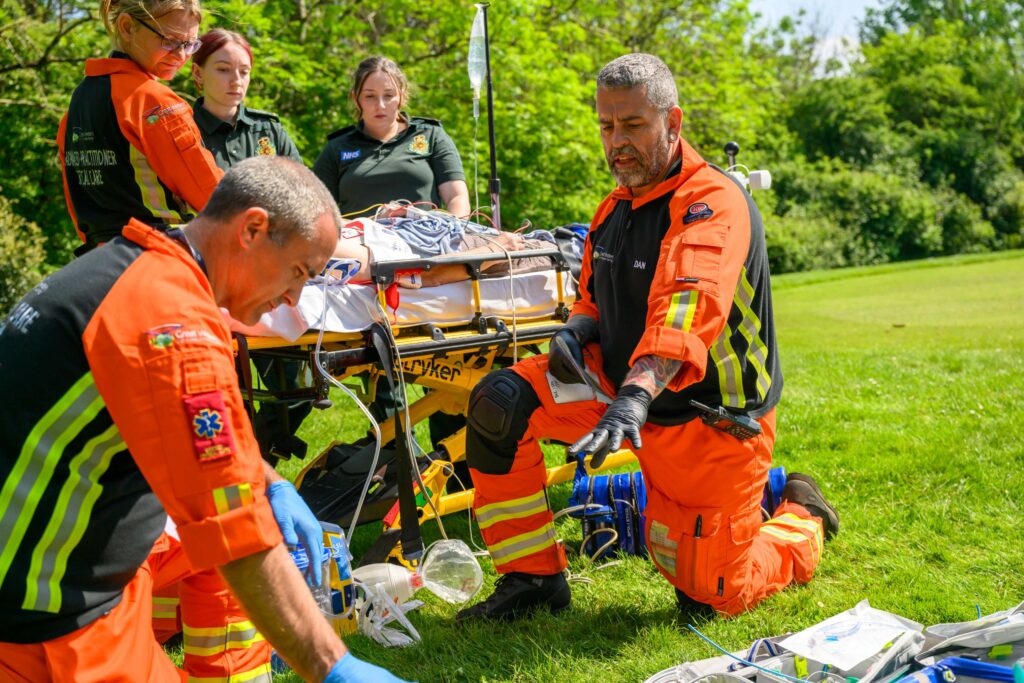
Here's how we approach innovation and some examples of what we've done.
Innovation can sometimes sound like something distant or futuristic – it can be the next big piece of technology, a completely new way of working, or perhaps an idea that will transform healthcare years from now.
But innovation doesn't always have to be that big. At Great Western Air Ambulance Charity (GWAAC), innovation can mean spotting a problem and finding a better way to solve it. It can mean trying something new, learning from others, developing new opportunities for our people, or sharing what we've learned so that others can benefit too.
Here are just a few examples of what innovation looks like at GWAAC.
Finding a better way to do things
Sometimes innovation starts with a simple question: could we do this better?
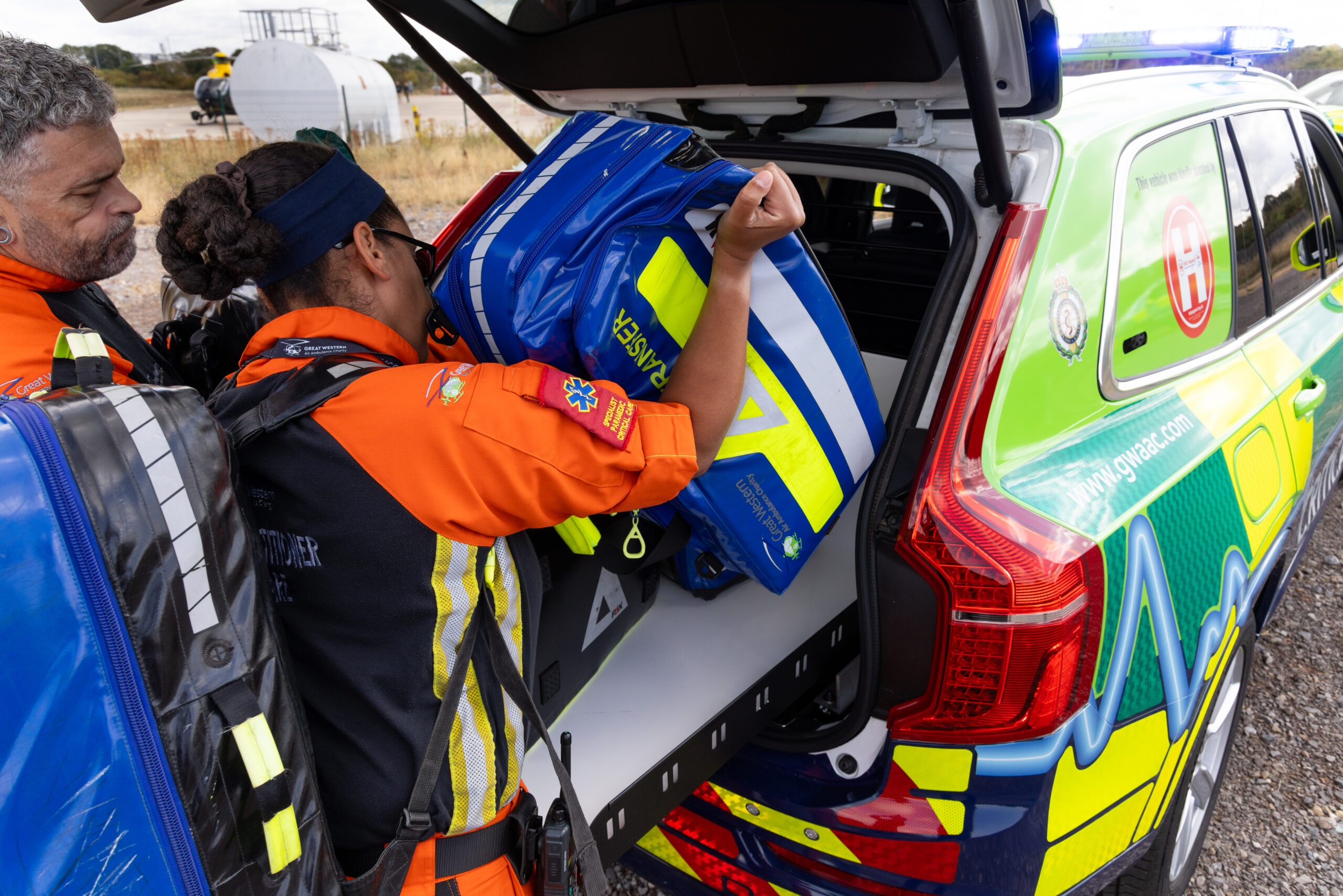
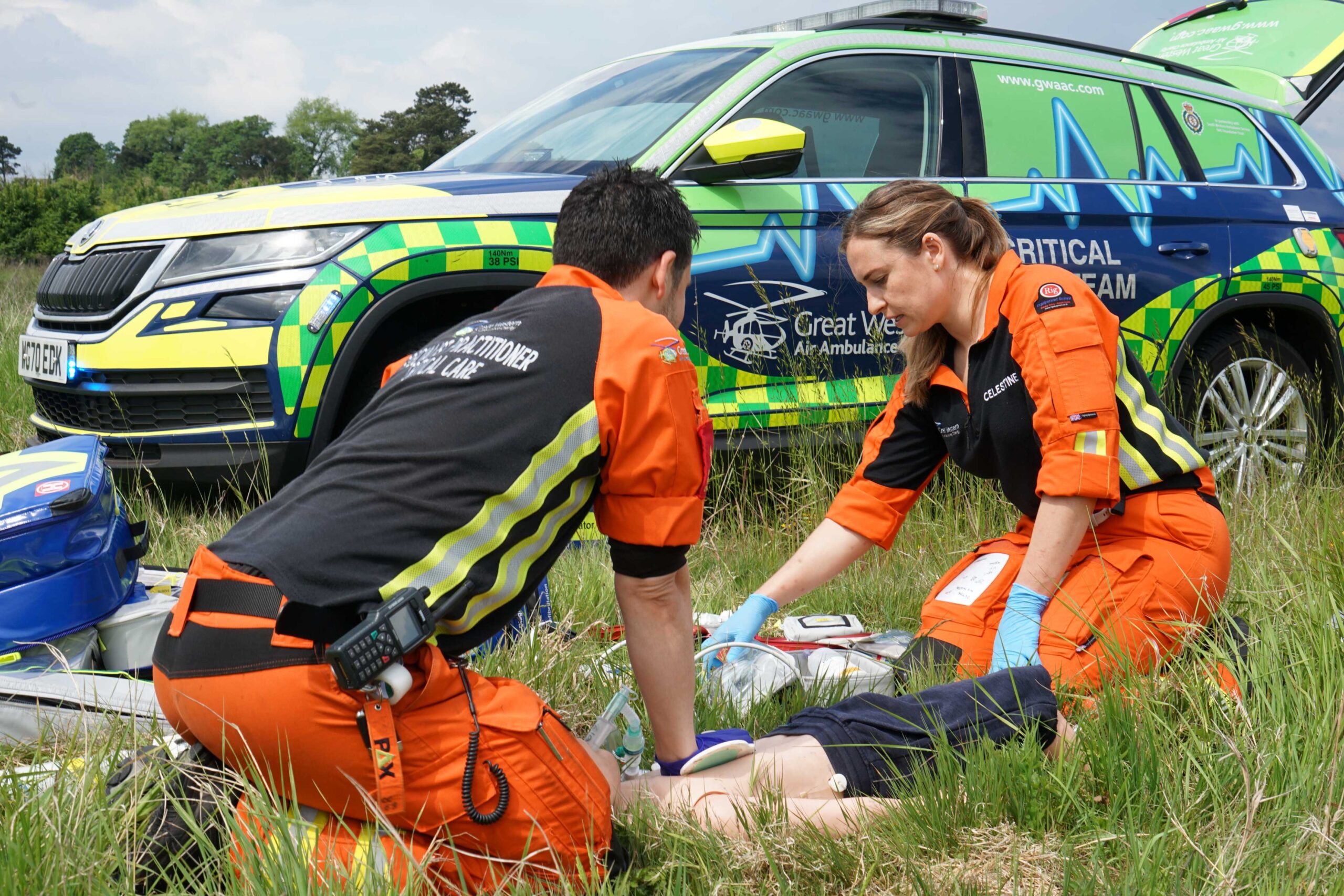
Our clinical team asked themselves exactly that when looking at the bags used to carry essential equipment in our critical care cars and on our helicopter.
The existing bags had evolved over time and, while they did the job, there was an opportunity , to make them work better for the way our crews deliver critical care at the scene of an incident.
The team worked together to rethink the design, considering how equipment is accessed and used during a job. They gathered feedback from the wider clinical team and worked with PAX, the chosen manufacturer, to develop bespoke bags designed specifically around their needs.
The result was a new set of kit bags designed to make equipment easier to organise and access when crews need it. Advanced Practitioner in Critical Care, Vicki Brown says, “The new bags are speeding up processes especially setting up kit for pre-hospital emergency anaesthesia (PHEA); they are helping to improve the care we provide to people in our communities in urgent need of our help.”
It's a relatively simple change, but it demonstrates something important about innovation: sometimes the best ideas come from looking closely at the things we use every day and asking whether there is a better way.
Innovation through collaboration
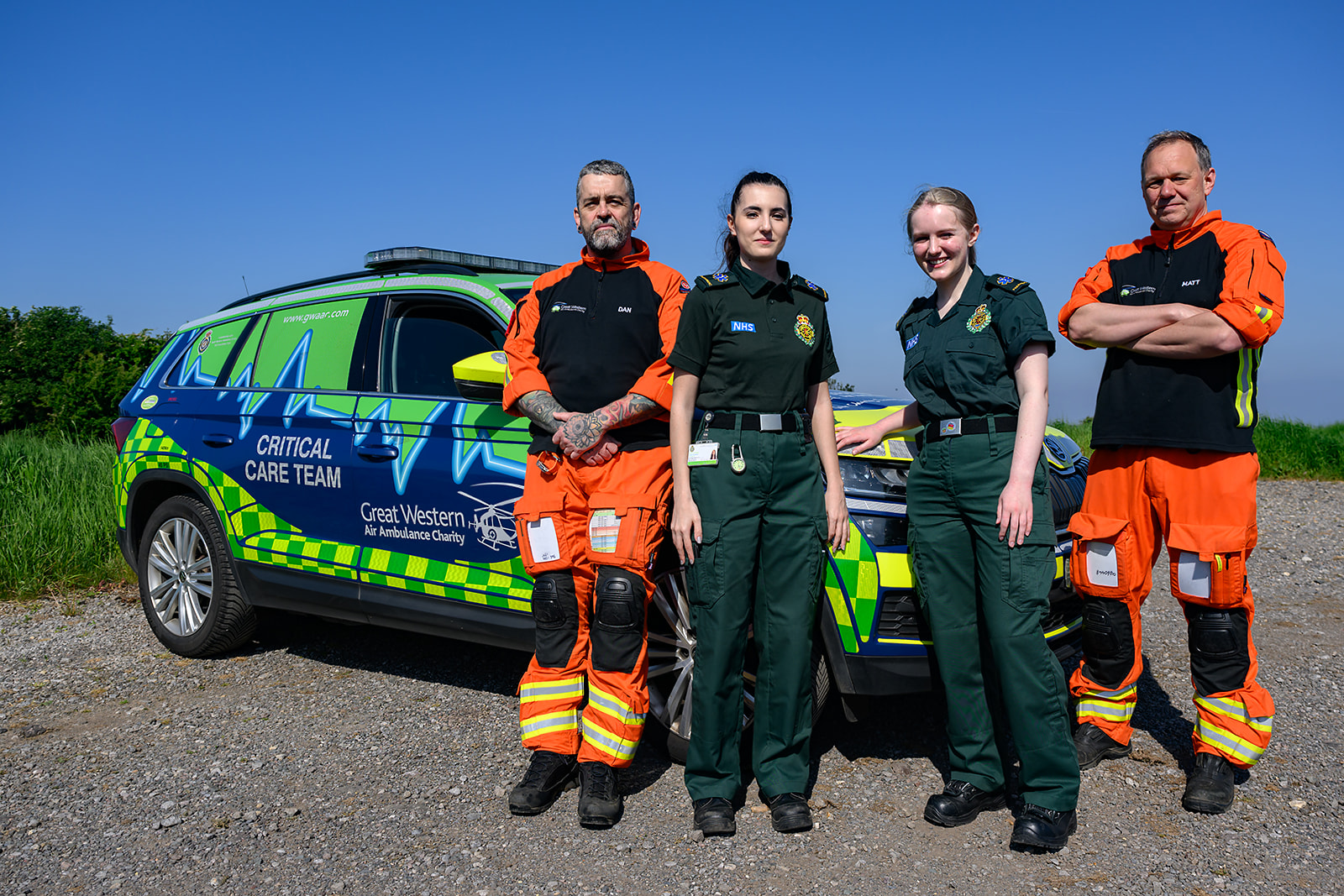
Innovation doesn't have to happen within one organisation either. Our clinical teams work closely with colleagues across the wider emergency care system, sharing knowledge and looking for ways to improve how patients receive care.
One example is our Aide Memoire, developed with colleagues at South Western Ambulance Service NHS Foundation Trust (SWASFT).
The resource was created to help ambulance crews recognise when a patient may benefit from the specialist skills and equipment available from GWAAC, while also helping them prepare for pre-hospital emergency anaesthesia when appropriate.
It was distributed trust-wide at SWASFT and is an example of how bringing different teams and areas of expertise together can lead to a practical solution that supports patient care.
And that's an important part of innovation at GWAAC: sharing ideas and expertise rather than working in isolation.
Creating new opportunities
Innovation can also be about people. Our Access to PHEM programme was developed to help open-up opportunities for doctors from a wider range of backgrounds to explore a career in pre-hospital emergency medicine (PHEM).
The programme provides support, mentorship and opportunities to gain experience, helping participants understand more about PHEM and what a career in the specialty could look like.
For GWAAC, developing the future PHEM workforce is about more than filling roles. It's about creating opportunities, supporting people and thinking differently about how we can encourage more clinicians into the specialty.
The programme has had early success with the number and diversity of PHEM-trained clinicians growing in the region. PHEM Trainee, Dr Celestine says: “GWAAC is not just delivering critical care; it's cultivating a diverse and inclusive environment where all clinicians feel they belong and can thrive in pre-hospital medicine.”
It's another reminder that innovation isn't always about equipment or technology. It can be about changing the way we do things to create new possibilities for people.
So, what does innovation mean to us?
These examples are very different, but they have something in common: they all started with people being curious, asking questions, looking for opportunities to improve, and working with others. And, importantly, being willing to try something different.
Innovation doesn't necessarily mean inventing something that has never been done before. Sometimes it's about adapting an existing idea, finding a better way of working, or sharing knowledge so that someone else can build on it.
It's this spirit of curiosity, collaboration and continuous improvement that we're bringing into focus in our 2026 Clinical Symposium.
With Innovation as this year's core theme, the symposium will bring clinicians together to explore ideas, share experiences and consider how new approaches and developments could shape pre-hospital care. It’s more than just thinking about what healthcare might look like in the future, it's also about asking what we could do differently, better or more effectively – and then doing something about it.