‘We are still a family thanks to you’
December 23, 2025
We were called to a record number of incidents in 2025
January 8, 2026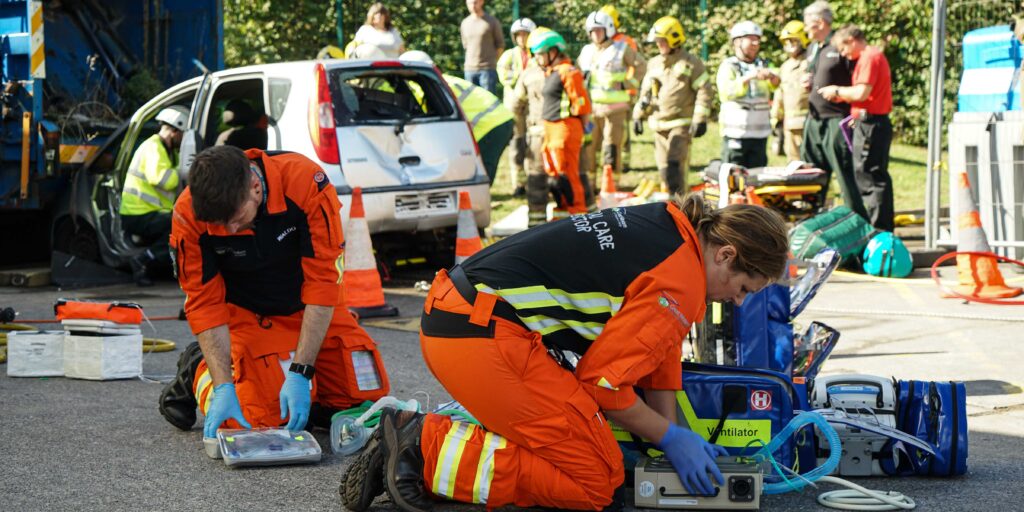
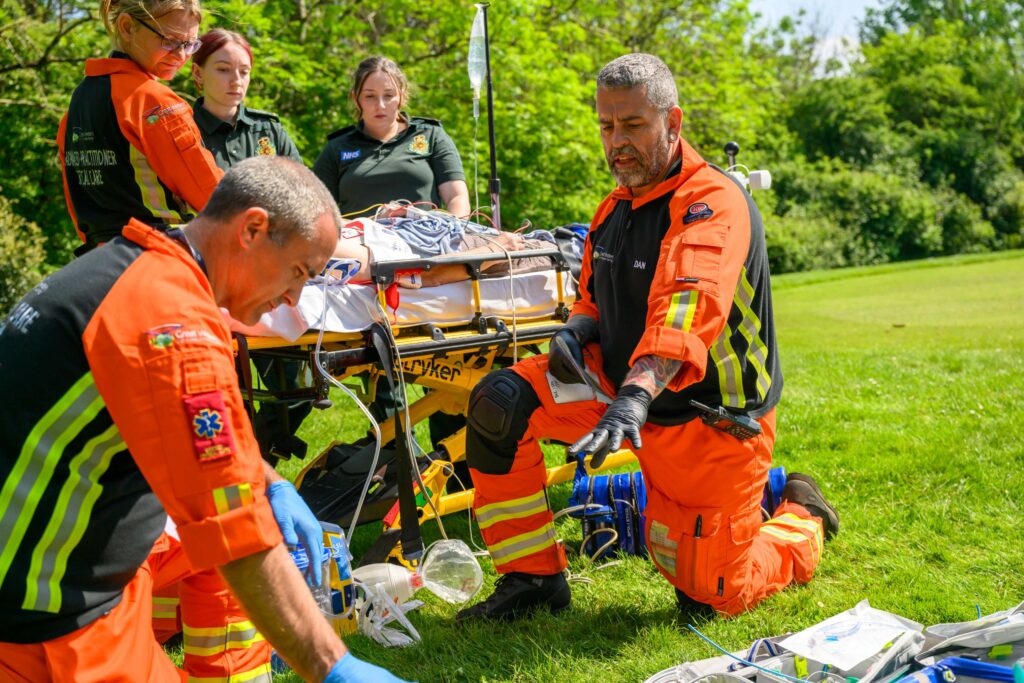
Members of Great Western Air Ambulance Charity’s (GWAAC) Critical Care Team spent Monday 8 September at Hicks Gate Fire Station in Keynsham for an action-packed training day. They joined fire crews from Avon Fire and Rescue Service (AF&RS) and student paramedics from the University of the West of England (UWE) to practise working together at the scene of an incident, preparing for when it really matters.
For several years we have worked closely with AF&RS to organise these annual training days. They give our crews, and other emergency services, a vital opportunity to learn and develop their skills, and experience first-hand the teamwork required to work collaboratively at the scene of an emergency.
Warning: this blog post discusses simulations conducted during the training day, which some readers may find distressing.
What the day consisted of
The training day was made up of three scenarios, designed to test the different multi-agency teams as they rotated through each one. Volunteer actors gave up their spare time to act as casualties, adding to the realism of the whole day. In between scenarios, attendees visited a skill station where they could learn more about the kit our crew carry and even practice with it themselves. Lunch was provided by the amazing Rapid Relief Team, who volunteered to help and serve up cheeseburgers to a hungry bunch of emergency service personnel.
Across the day, the teams tackled three challenging simulations, each designed to mirror the kinds of emergencies they might face in real life. Here’s what they were up against:
Scenario one
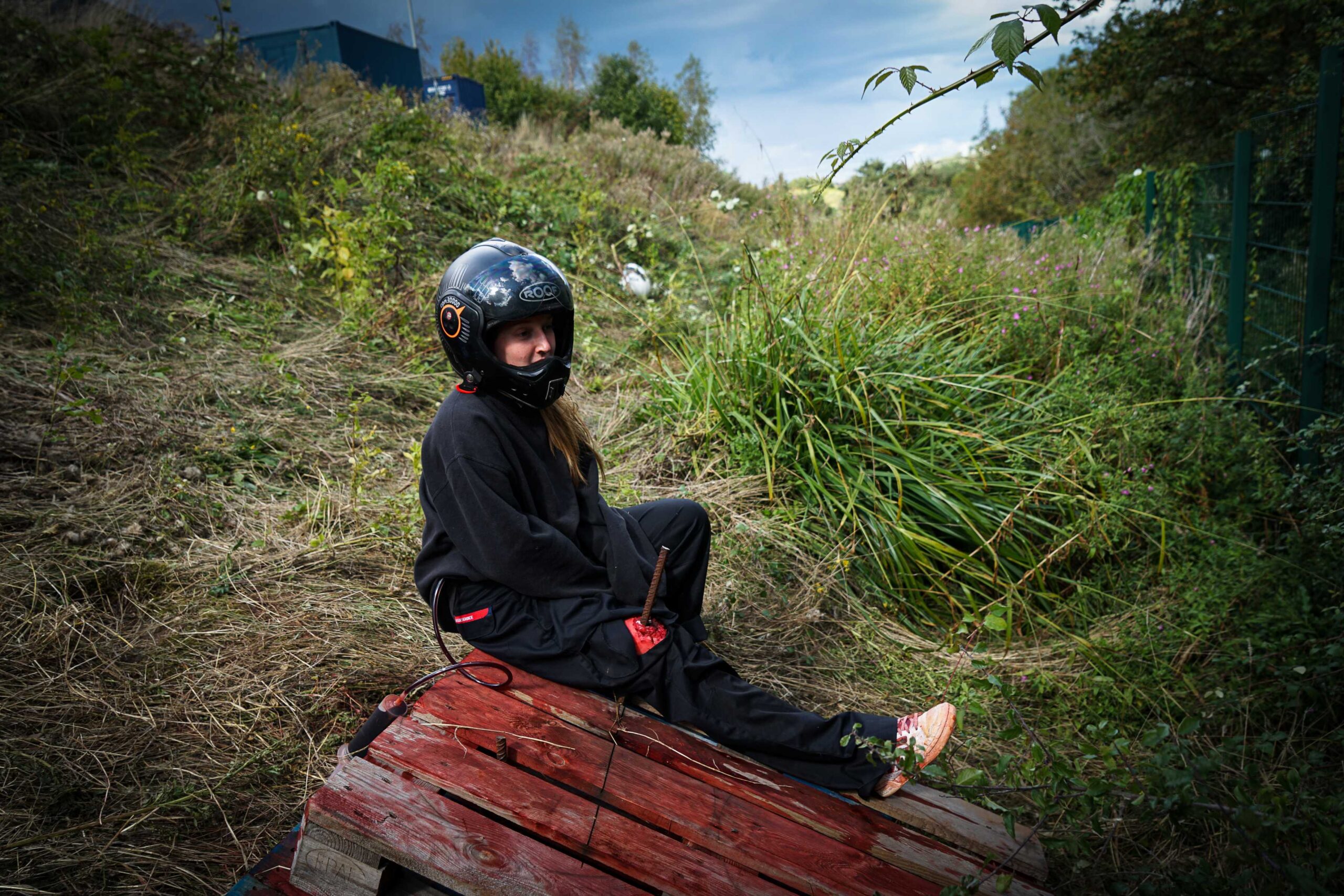
The first scenario saw teams respond to a motorcyclist who had come off their bike, been launched down a ditch and had an iron rod impaled through their leg. During their brief, the teams were informed that the person who rang 999 spotted the driver in the ditch, but no one had witnessed the crash. As the rider screamed in pain, paramedics arrived on scene first, followed later by fire crews and our Critical Care Team.
What the crews didn’t know was that the patient wasn’t travelling alone. A second casualty was also in the ditch and needed treatment. The surprise meant everyone had to think fast and work together to manage the scene and ensure that both patients received the best care possible.
Sadly, the second patient didn’t survive the crash. This left AF&RS with the complex task to extricate the impaled motorcyclist using a winch and stretcher. Once the team had stabilised the rider and got her out of the ditch, the scenario came to an end.
Scenario two
When the driver of a bin lorry suffered a sudden seizure, it caused the lorry to stop abruptly. The car travelling behind was unable to react in time and crashed into the rear of the lorry, trapping the bonnet under the hopper. AF&RS were first on scene, swiftly followed by clinicians from the ambulance service and GWAAC.
The scenario required the unconscious lorry driver to be carefully extracted from the cab of their vehicle – a tricky task given the height and confined space of the lorry cab. Ambulance crews worked alongside our GWAAC crew to treat the driver for their medical episode before the paramedics took them to hospital.
Meanwhile, the driver of the car was in a serious condition because her legs were trapped under the crushed dashboard of the car. Paramedics and members of our crew began assessing and treating her whilst she was in the car. The AF&RS team then worked to free her legs and release her, using a dash lift. Once she was out of the car, our Critical Care Team provided further treatment and administered a Pre-Hospital Emergency Anaesthesia (PHEA). Once the patient had been anesthetised, the simulation concluded.
Scenario three
The third scenario took place in a pitch-black warehouse, where screaming and crying could be heard from a small and tricky-to-access first floor room. AF&RS arrived first, quickly lighting up the warehouse and establishing how to access the distressed lady. It became clear that she had found someone who had attempted to hang themselves. The AF&RS team freed the patient and administered CPR until the land paramedics arrived to take over patient care while GWAAC arrived.
As the patient was being treated, the distraught woman who called 999 was also supported by team members, adding to the realism of the scenario and emphasising the importance of managing the scene during emergencies, including distressed bystanders.
AF&RS assessed how best to extract the patient from the small first floor room. When the GWAAC team arrived they ventured to where the patient was and decided the best approach for treatment. Two members of crew started treatment in the cramped space, while other members of the team passed equipment up from below and remained in communication regarding the patient’s status. When everyone was ready, AF&RS extracted the patient by lowering them slowly from the window of the room into the more spacious warehouse, where our crew were able to perform complex interventions including an intubation. Once the patient had been intubated, the scenario wrapped up.
Learning and reflecting together
Each scenario was observed by members of our Critical Care Team, UWE faculty and AF&RS crew. At the end of each simulation, everyone came together to debrief and discuss how it went. This gave all involved, including the actors, a chance to say what they thought went well during the simulation, and what could have been done better or differently. Of course, that’s the point of the training exercise: it’s a safe space to make mistakes, learn from them and get even better at working together when real lives are on the line.
Why this training is so vital
Days like this are incredibly important for our crew and for the patients we’re called to each day. Whilst our crew regularly practices a wide range of complex interventions, it is a very different experience to perform them in realistic, high-pressure scenarios like the ones detailed. The training provided additional challenges that our crew had to consider when providing treatment, such as working as part of a team with AF&RS, working in the dark and even coping with torrential weather during a thunderstorm in the final scenario. These experiences and learnings, mean that when the real call comes in, everyone involved will be better prepared to care for the patient.
“It gives us an opportunity to engage with these other teams and understand each other's roles better when it comes to scenes, and for me, it fosters better relationships and ensures that when the real jobs come about, we are well aware of the feat.” – Trainee SPCC Waldo Zweep
In 2024 alone, our Critical Care Team were called to 2,272 people in urgent need of their skills and care. 15% of these call-outs were to road traffic collisions, with 69 of these collisions involving motorcycles and nine involving lorries or buses. We were also sadly called to 35 people in hanging-related emergencies. They show just some of the diversity of incidents we are called to, and by training for them it ensures our teams are prepared for whatever they might face.
GWAAC are only called to the most serious 999 calls across the region so training days like this are as vital for the patients and incidents we aren’t called to. By working with other emergency service personnel, we share knowledge that could make all the difference when GWAAC aren’t on scene.
“I think for us, the students are getting exposure. And I think ultimately, it's building up confidence, once we graduate next year.” – Phil, Third Year Paramedic Student at UWE
Trauma incidents, like those detailed in these scenarios, can happen to anyone, anywhere, at any time. Training means that when the call comes through, our crew are fully prepared for whatever is waiting for them and able to provide the best possible care to someone in your community - whether the patient is a neighbour, a friend, a family member, or even you.
Head to our news page to learn more about our lifesaving work.
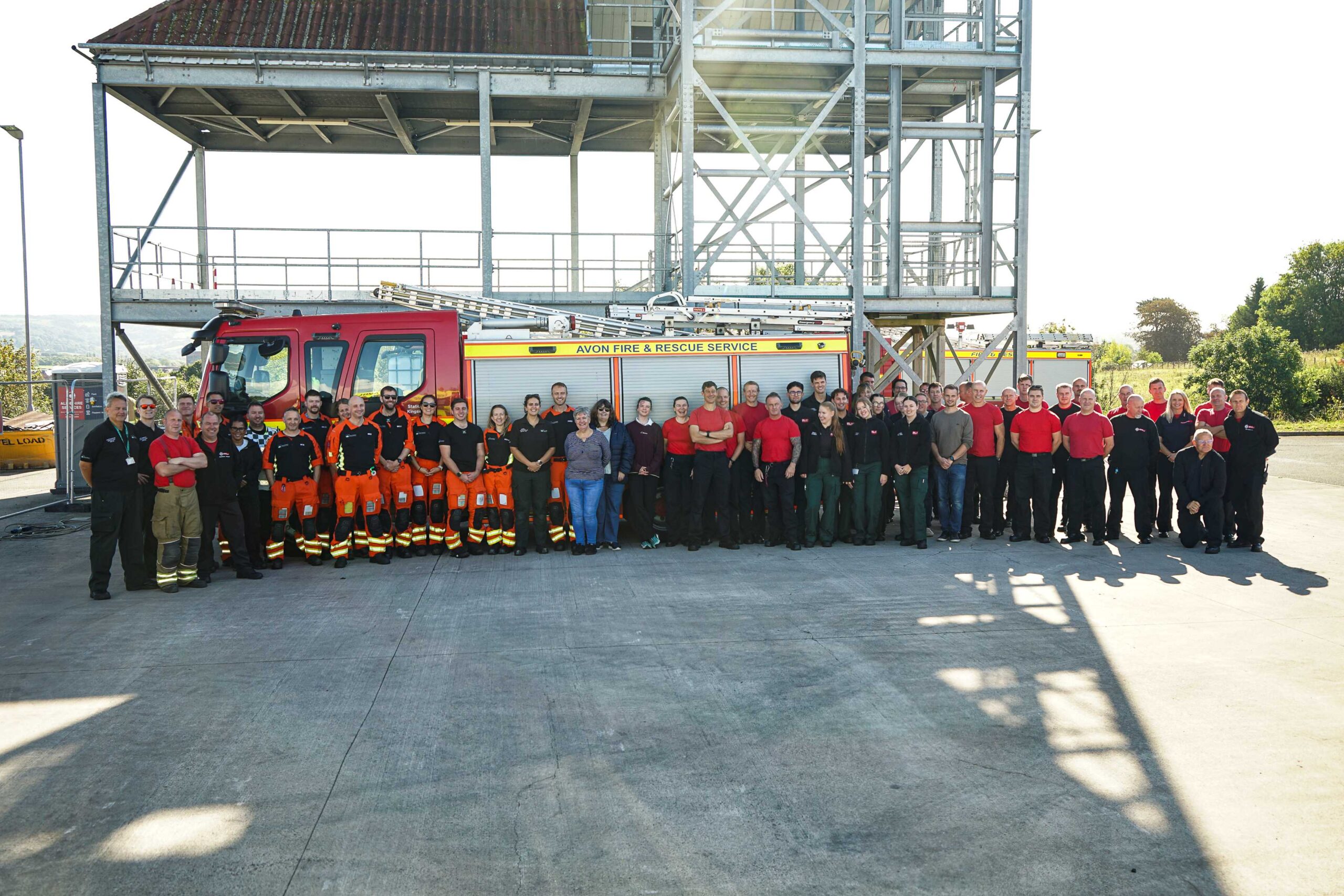
AF&RS, GWAAC and UWE representatives pose in front of a fire engine
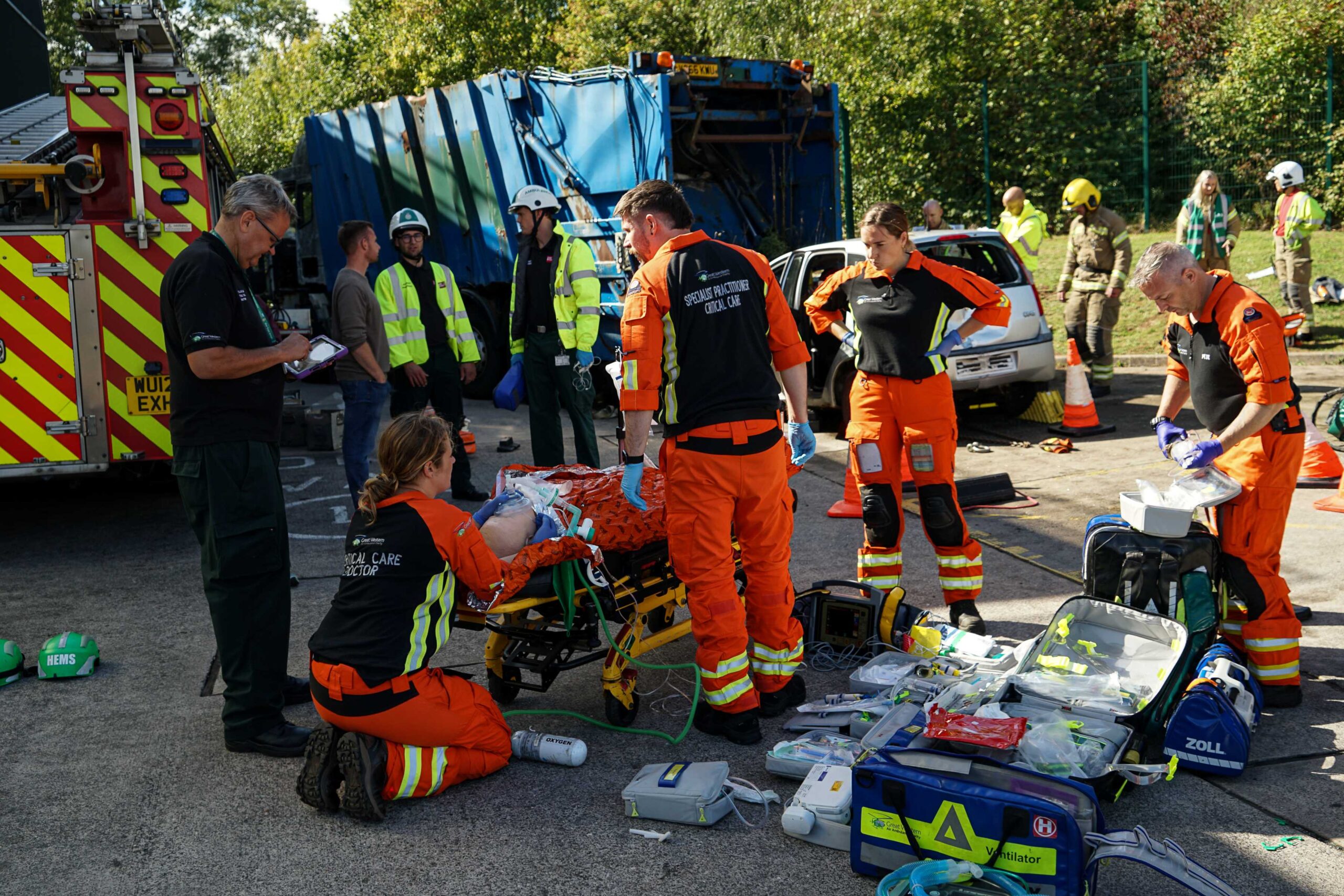
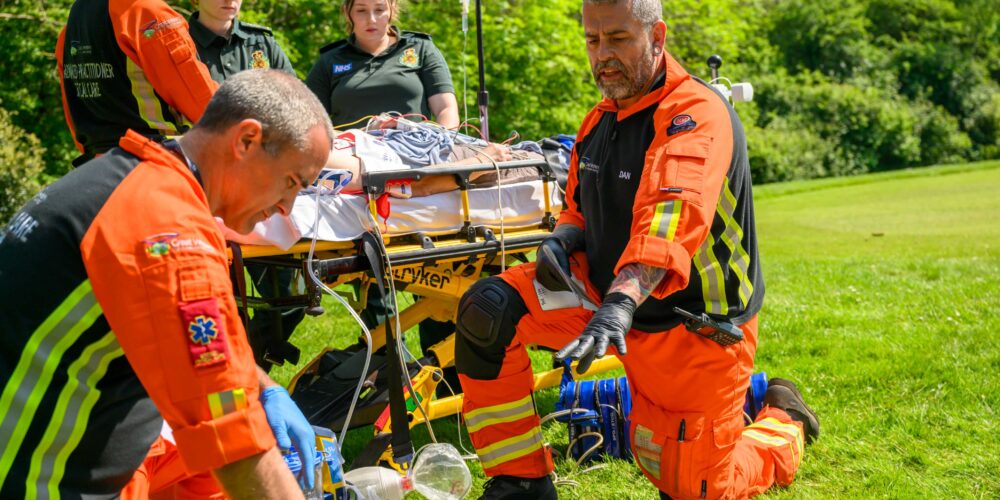
A GWAAC crew treats their patient at the scene of a road traffic collision


Critical Care Doctor Lily and Trainee SPCC Waldo prepare kit at the scene of a road traffic collision
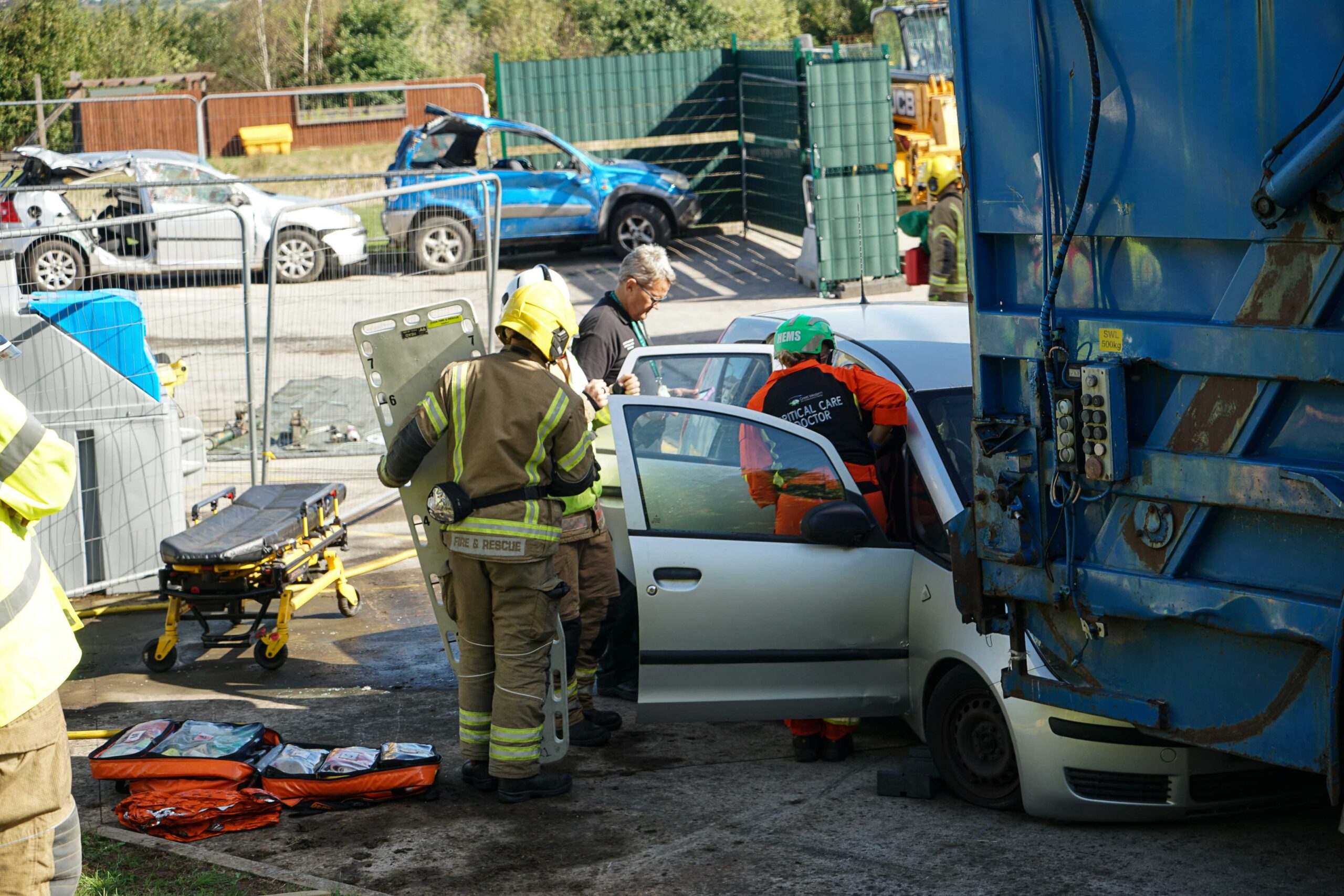
AF&RS crew prepare to extricate the patient from their trapped car
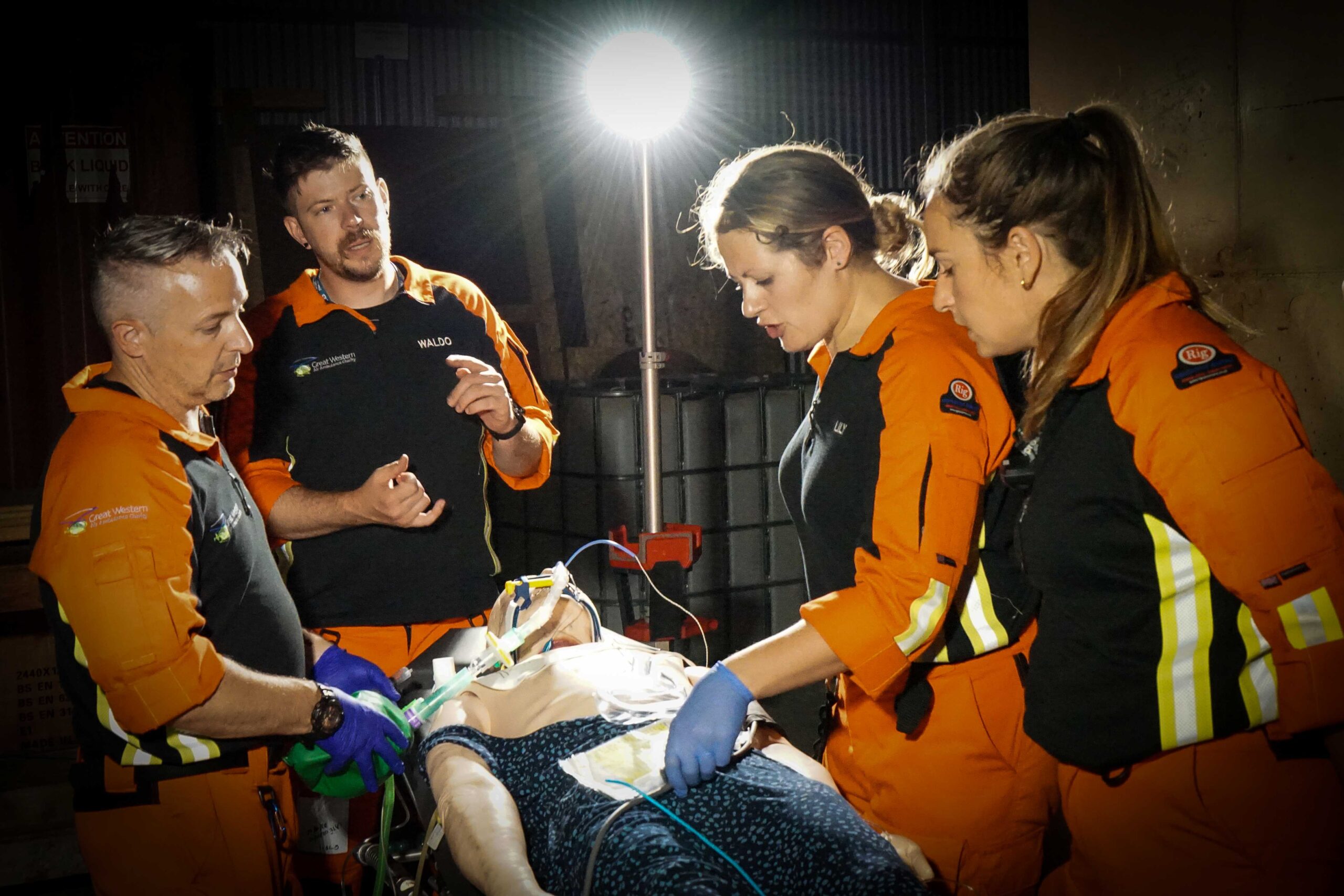
GWAAC crew members treat their patient
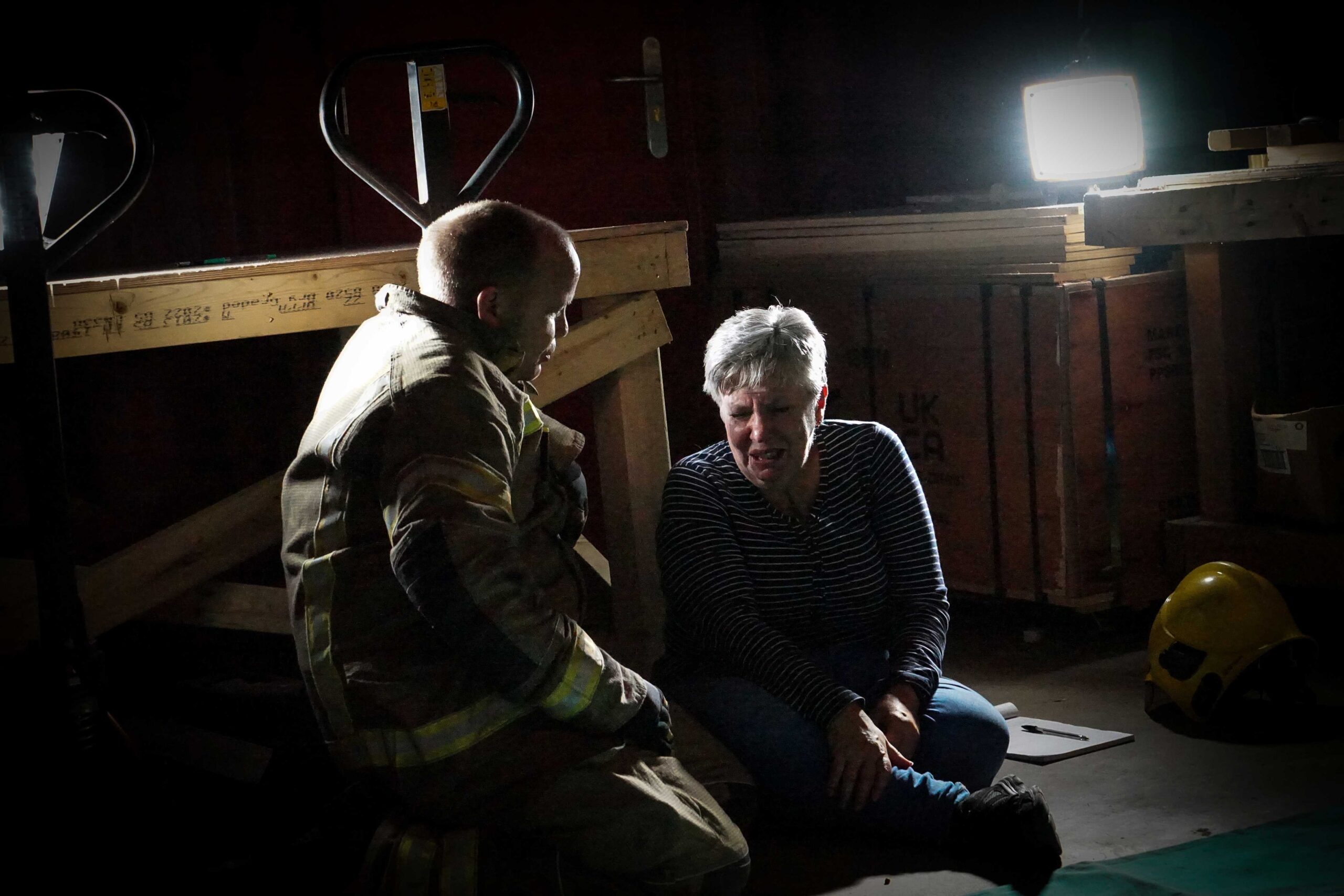
An AF&RS crew member consoles the bystander that discovered the patient and called 999
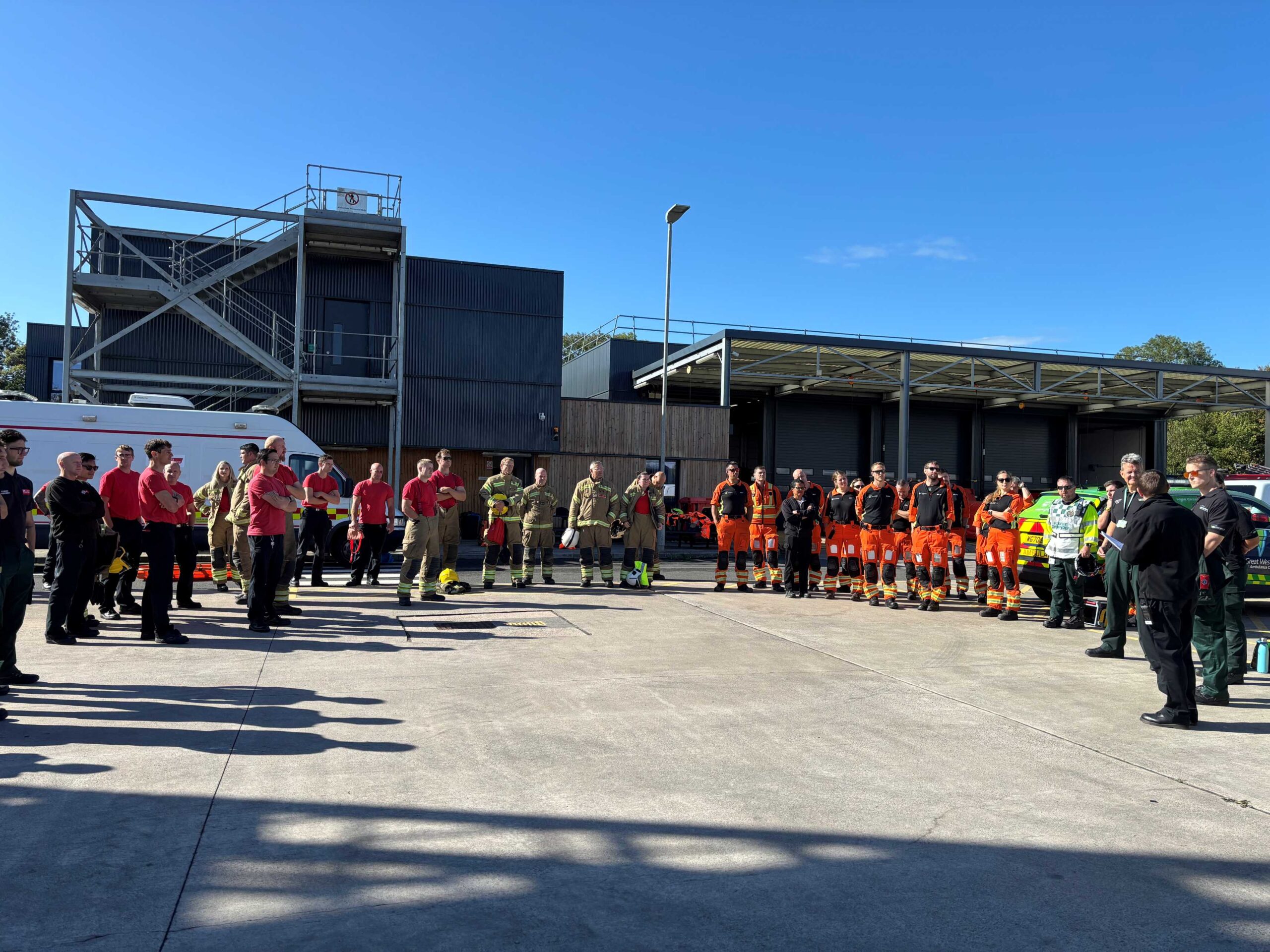
Crew from all agencies involved at the training day gather for a briefing
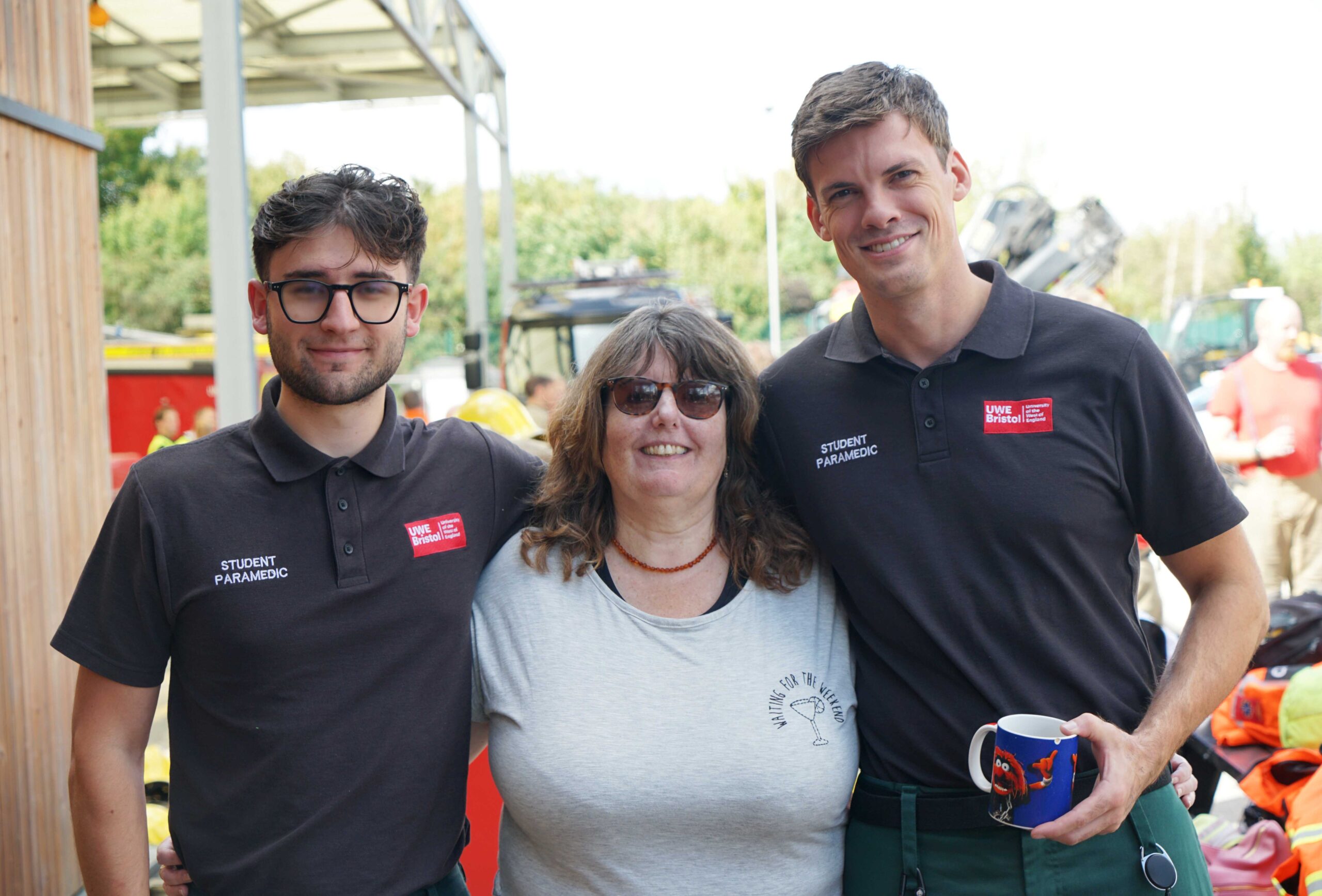
Volunteer actor Rach poses with two UWE student paramedics